Saurav Das accused BJP-aligned social media accounts of circulating his passport and said he would file criminal complaints against them.
CJP founder Abhijeet Dipke alleged the document was leaked “from within the system”; opposition figures and CJP supporters raised privacy concerns.
The Centre told the Delhi High Court that Maharashtra Police had issued an LOC against Das. It also said alleged passport discrepancies could affect the citizenship inquiry.
Saurav Das Passport Row: Doxxing Or Disclosure? What Indian Law Says
The allegation has opened a second front in a dispute that already involves Das’s blocked trip to the UK, a passport notice and a Look Out Circular (LOC)

Summary
Cockroach Janta Party (CJP) co-convenor Saurav Das has accused BJP-aligned social media accounts of circulating his passport and asked the Ministry of External Affairs (MEA) whether such disclosures are routine. CJP founder Abhijeet Dipke alleged the document had come “from within the system”, contrasting its circulation with the difficulty of accessing Prime Minister Narendra Modi’s degree.
“Certain BJP-aligned social media handles have now leaked my passport. This is a matter of serious concern,” Das wrote on X. “Will the Ministry of External Affairs clarify whether such leaks of citizens’ passports are a routine affair? Has doxxing been legalised in #NewIndia?”
The allegation has opened a second front in a dispute that already involves Das’s blocked trip to the UK, a passport notice and a Look Out Circular (LOC). The source of the passport image has not been established publicly. Das says he will file criminal complaints against accounts that circulated it.
Dipke Alleges An Insider Leak
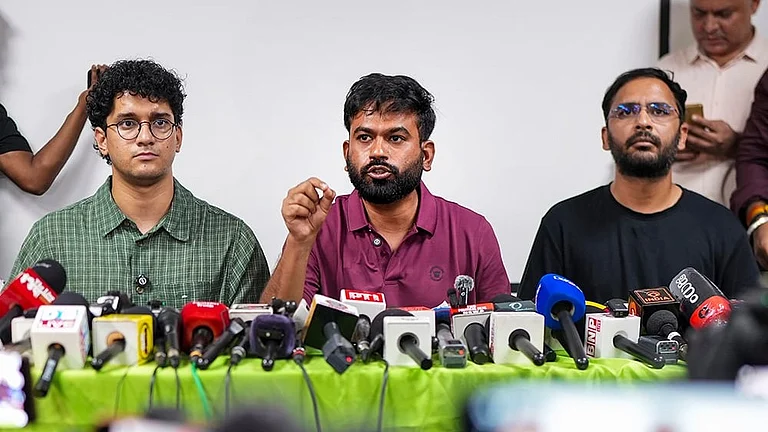
Dipke said the passport was “leaked from within the system” and is now being circulated by BJP supporters. “What kind of world are we living in where nobody can access the Prime Minister’s degree, but a citizen’s passport can be leaked and circulated so openly?” he wrote.
CJP lawyer Ratna Singh called the circulation an attempt to intimidate Das. “So intimidated by a 27-year-old that they are stooping to such pathetic lows,” she said. CJP co-convenor Ashutosh Ranka also questioned how social media users obtained the document, alleging that government institutions were working for the BJP.
Das said the passport leak followed the online publication of his Delhi address, which he alleges led YouTubers to enter his home while he was away. He also cited alleged false stories about his family and a morphed image. He said he had asked a Special Executive Magistrate’s court to ensure his rent agreement was not disclosed.
Advertisement
Opposition Voices Raise Privacy Concerns
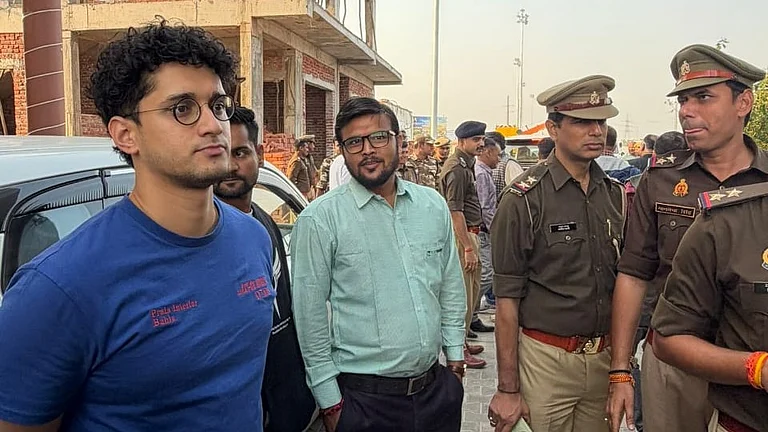
Congress leader Salman Soz asked External Affairs Minister S Jaishankar to explain how the passport details were obtained and circulated. He cited the Supreme Court’s recognition of privacy as a fundamental right and referred to the Delhi High Court’s 2025 ruling in Rakesh Kumar v CPIO, which treated passport details and supporting documents as personal information that should not be disclosed to third parties under the Right to Information Act.
Soz also questioned whether any legal authority had permitted the disclosure. He cited the Digital Personal Data Protection Act, 2023, and possible accountability for public servants, while framing those as questions requiring investigation rather than established findings in Das’s case.
YouTuber Dhruv Rathee asked who had provided access to the document and who had authorised its publication. “People can commit identity frauds because of your stupidity,” he wrote, urging X to take down the account that shared it.
Advertisement
Some accounts circulating the image appeared to present it as evidence in the dispute over Das’s personal details, arguing that passport applicants must provide supporting documents. Their identities and any formal links to the BJP could not be independently confirmed. The document’s source and the circumstances of its circulation remain unclear.
High Court Told Of LOC And Passport Issue
The controversy coincided with Thursday’s hearing in the Delhi High Court on Das’s plea over being stopped from travelling to the UK. The Centre told the court that Maharashtra Police had issued an LOC against him on the night of November 22–23. Das’s lawyer said he had not been told about the circular or its grounds and sought information to challenge it. The court listed the matter for December 9.
The LOC is linked to an FIR over the CJP’s unpermitted October 2 protest at Mumbai’s Shivaji Park, according to a senior police officer cited in reports. It is separate from the passport inquiry.
Advertisement
The Centre also told the court that alleged discrepancies in Das’s passport records could have a bearing on his Indian citizenship. The Regional Passport Office in Chennai issued a show-cause notice on November 23, seeking clarification about his place of birth within seven days and advising him not to use the passport until he responded. Das has challenged the travel restriction; the claims about his documents and citizenship have not been adjudicated.
What Law Says
India has no standalone offence specifically called “doxxing”. The legal route would depend on how the passport image was obtained and who disclosed it.
Section 72 of the Information Technology Act, 2000, penalises unauthorised disclosure by someone who accessed information while exercising powers under the Act. Section 72A applies to a person, including an intermediary, who obtained personal information while providing services under a lawful contract and disclosed it without consent, intending or knowing that it could cause wrongful loss or gain. Neither provision automatically covers every social media post sharing personal information.
Advertisement
If a public servant knowingly breached a legal duty with intent to cause injury, Section 198 of the Bharatiya Nyaya Sanhita may also be relevant. Its use would depend on evidence of the official’s conduct, the duty breached and the required intent. The Supreme Court has recognised privacy as part of the right to life and personal liberty under Article 21. The Delhi High Court’s 2025 Rakesh Kumar v CPIO ruling, meanwhile, held that passport details could not be disclosed to a third party under the RTI Act; it did not decide the separate question of circulation on social media.
Published At: