The Drone Federation of India has identified 689 GeM tenders specifying Chinese drones or components between March 2021 and November 2026, with Indian Army units accounting for 580.
DJI and RadioMaster appeared in 450 tenders, while flight controllers, motors, receivers and video transmission equipment have raised concerns about potential cybersecurity vulnerabilities.
The industry body has called for stricter procurement guidelines, mandatory country-of-origin declarations and greater preference for Indian-made components, while defence officials maintain that GeM follows a neutral procurement process.
Chinese Drone Components In Indian Army Tenders: Industry Body Flags 689 Procurement Notices
Drone Federation India has flagged 689 government procurement tenders specifying Chinese drones or components since 2021, including 580 issued by Indian Army units, raising concerns over military cybersecurity and India's indigenous drone manufacturing ambitions

Summary
India's push to build a home-grown drone industry has run into an uncomfortable contradiction: procurement documents issued by its own military establishments continue to specify Chinese-made drones and components. A review by the Drone Federation of India (DFI) has identified 689 such tenders over nearly six years, raising questions about supply-chain security and the extent to which the armed forces can insulate sensitive equipment from foreign technology dependencies.
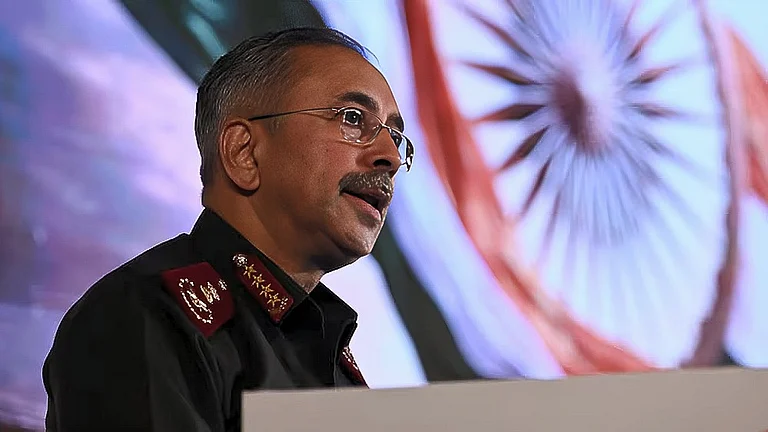
In a representation submitted to Defence Secretary Rajesh Kumar Singh and Chief of Defence Staff General N S Subramani on November 20, the industry body flagged tenders published on the Government e-Marketplace (GeM) between March 10, 2021, and November 19, 2026.
The Indian Army accounted for 580 of the 689 notices, or nearly 84 per cent. The number of tenders rose sharply this year: 355 were issued between January and November 19, compared with 190 throughout 2025.
The Vulnerability Beneath The Wings
The concern extends beyond the country of manufacture of a drone's outer frame. The DFI identified Chinese-linked brands including DJI, RadioMaster, SpeedyBee, HGLRC, GEPRC, T-Motor, EMAX and RunCam in the procurement documents. DJI and RadioMaster alone featured in 450 of the 689 tenders.
The components specified included motors, flight controllers, electronic speed controller (ESC) stacks, receivers, cameras and video transmission equipment — the systems that govern how a drone flies, communicates and transmits information.
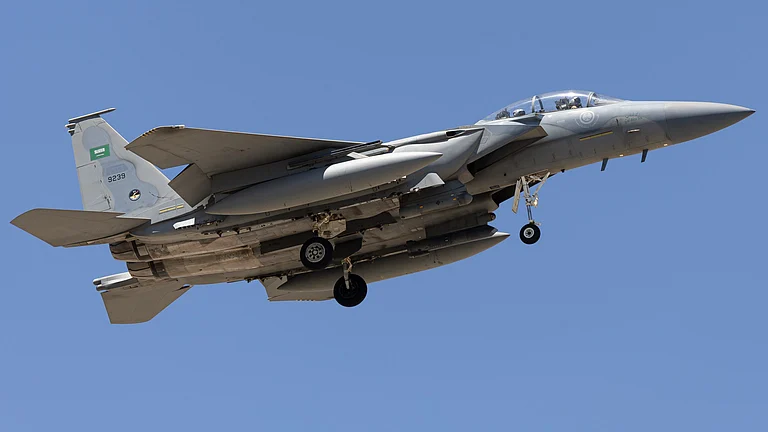
For the federation, the risk begins before a drone takes flight. Components purchased independently by military units for internal assembly may not necessarily pass through the same security checks as complete platforms procured through centralised channels. The DFI has warned that vulnerabilities in flight-control systems, communications and data transmission could expose sensitive operations to cyber risks. It has also cautioned that China's export licensing requirements for drone motors, electronic speed controllers, autopilots and radios, which came into force on November 18, could disrupt supplies.
Advertisement

The Push For Indigenous Alternatives
The concerns come even as the Army strengthens its scrutiny of unmanned systems. On August 14, it inaugurated the AASHVAST laboratory, a cybersecurity and firmware validation facility designed to examine drones for Chinese-origin components, concealed code and remote-access mechanisms. Yet, according to the DFI's review, 104 of the 328 Army tenders flagged this year were issued after the facility's inauguration.
India prohibited the import of completely built-up, semi-knocked-down and completely knocked-down drones in February 2022, with exceptions for specified government, research, defence and security requirements. However, the import of drone components remains free under the policy. This distinction makes scrutiny of individual components particularly significant.
Defence officials, however, have defended the procurement mechanism. Speaking to The Times of India, they said GeM is a neutral platform where buyers specify technical requirements and sellers compete on price. They added that the Army maintains checks to ensure products meet specifications, and sellers found misrepresenting the origin of components could be blacklisted.
Advertisement
For India's drone industry, the challenge is no longer simply to manufacture more unmanned aircraft. It is to ensure that the technology powering them can be traced, trusted and secured.
Published At: