The Lok Sabha Secretariat’s 16 November bulletin lists recent developments in India-Pakistan relations among 14 subjects the external affairs committee will examine in 2026-27.
Officials have told the committee that normalisation depends on Pakistan credibly ending cross-border terrorism, and that Operation Sindoor set a new normal.
A committee of the same name recommended an incremental revival of dialogue with Pakistan in 2018, while the government held that talks need a terror-free atmosphere.
Shashi Tharoor-Led Panel To Examine India-Pakistan Ties After Operation Sindoor
Parliament’s external affairs committee has picked recent developments in India-Pakistan relations, UN reform and India’s UNSC bid among its subjects for 2026-27, months after Operation Sindoor

Summary
The guns have fallen silent along the India-Pakistan border, but the political distance between the two neighbours has only grown. Between the Indian passport system and the future of the India-Europe relationship, the Lok Sabha Secretariat noted that the Committee on External Affairs will examine recent developments in India-Pakistan relations in 2026-27. No fanfare. Yet the subject has rarely carried such weight.
It follows Operation Sindoor, in which India struck nine sites in Pakistan and Pakistan-occupied Kashmir, and which the government presents as a new normal in counter-terrorism policy.
A List With A Long Shadow
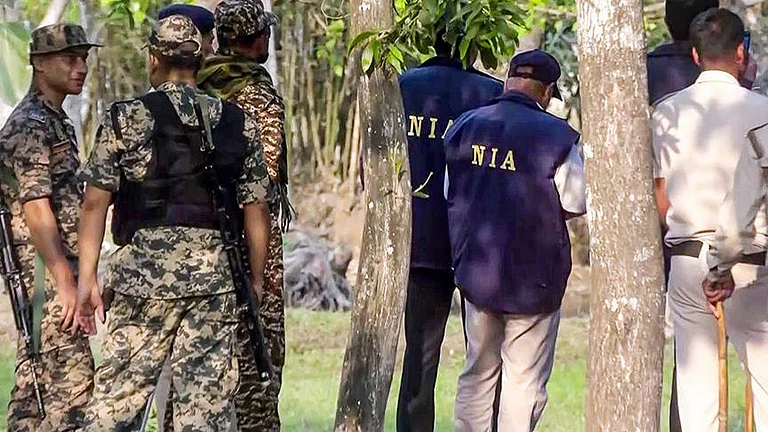
The bulletin, issued on Monday, lists 14 subjects, from India-US relations and the Quad to India-China ties, the Act East Policy, BRICS, West Asia and the UN Security Council bid. Passport services, Nalanda University and the role of states in external engagement are on it too. Pakistan sits among them, unranked.
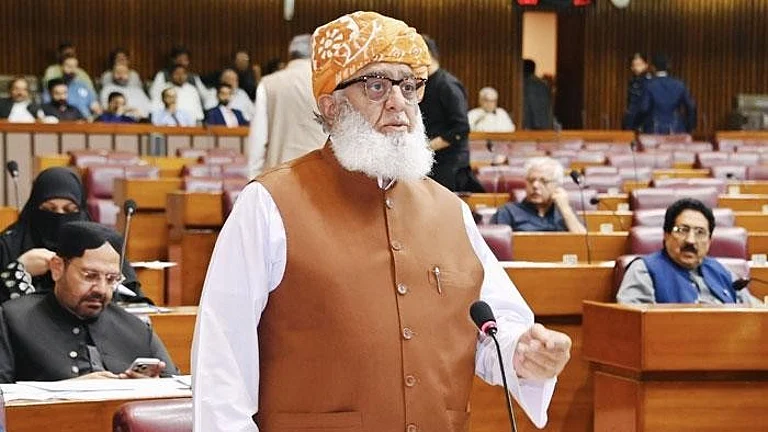
The context is hard to read past. The framing around the news stresses that, for the first time, India hit terrorist launch pads and military installations deep inside Pakistan. The record is more layered. A British parliamentary research briefing noted that Balakot in 2019 was the first use of Indian airstrikes against Pakistan since 1971.
The first wave in May 2025, the defence ministry said, did not target Pakistani military facilities. A later academic analysis lists military sites such as Noor Khan Air Base at Chaklala among those hit. India and Pakistan reached an understanding on halting military action on May 10.
What The Panel Has Heard, And What It Once Said
Parliament has not come to the subject cold. Before a four-day study tour of Jammu, Srinagar, Kargil and Leh, officials told the committee that India seeks normal neighbourly relations with Pakistan only in an atmosphere free of terror, that normalisation will wait until Islamabad credibly ends support for cross-border terrorism, and that India will not be deterred by nuclear threats. On the tour itself, members examined the suspension of the Indus Waters Treaty and threats along the Line of Control and the International Border.
Advertisement
History offers a counterpoint. In January 2018, a panel of the same name, headed by Shashi Tharoor, recommended an incremental approach to reviving dialogue with Pakistan, arguing that geopolitical realities demanded it, even as the government held that talks must await an environment free of terror. The condition the government gave that panel sounds much like the one it gives now.
The caution is procedural. A subject selected is not a report; committees are reconstituted each year, and their recommendations bind no one. Whether the 2026-27 panel will echo 2018 or endorse the new normal is still unwritten.
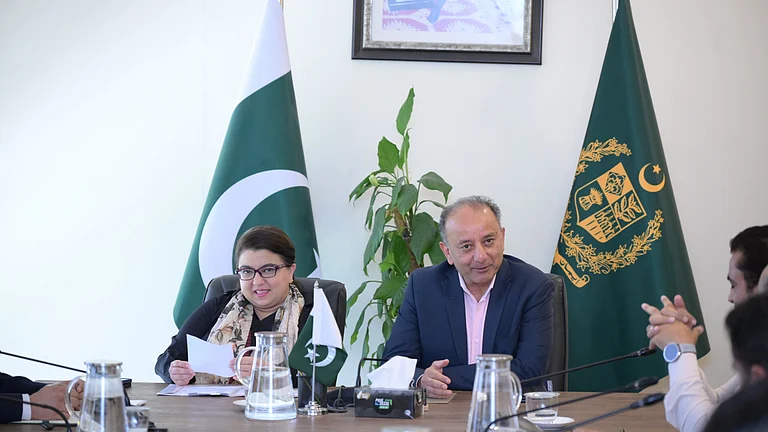
A committee cannot move a border. It can, though, set down in Parliament’s own record what India is prepared to say about Pakistan once the shooting has stopped.
Published At: