Tamil Nadu's Delhi envoy coordinates state interests with the Union government
Cabinet-rank post gives direct access to top central decision-makers
Venkata Narayana's appointment has triggered conflict of interest concerns
Debate grows over bureaucratic experience versus political appointments for the role
Outlook Explains | What Does Tamil Nadu's Delhi Envoy Actually Do and Why is The Post So Powerful
The appointment of a film producer as Tamil Nadu's Special Representative in Delhi has reignited debate over a little-known but influential post that acts as the state's political bridge to the Centre

Summary
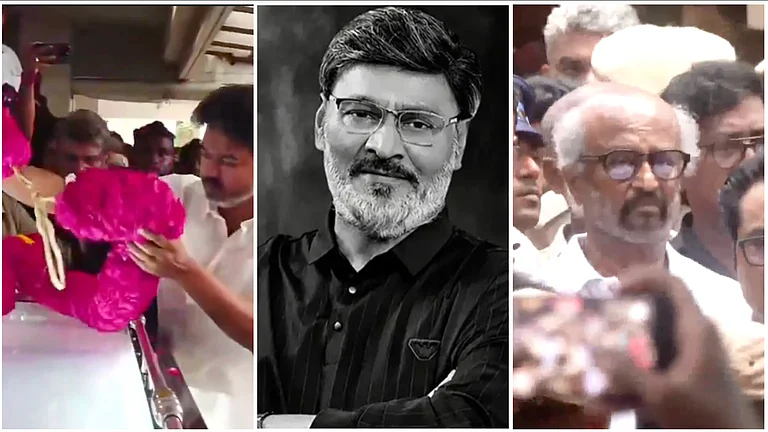
The appointment of Venkata Narayana, Chairman of the KVN Group and producer of actor Vijay's unreleased film Jana Nayagan, as Tamil Nadu's Special Representative in New Delhi has sparked a conflict of interest debate, as per an Indian Express report. It has also cast a spotlight on one of India's least understood political appointments, a Cabinet-rank post that acts as Tamil Nadu's bridge to the Union government and the power corridors of New Delhi.
What is Tamil Nadu's Special Representative in Delhi?
The Special Representative of Tamil Nadu in Delhi is a senior official appointed by the state government to act as its primary liaison with the central government. The position, established decades ago, functions as the state's permanent mission in the capital, handling everything from political coordination to bureaucratic follow-ups.
The office coordinates with central ministries on state-specific issues, tracks legislative developments, and ensures timely responses to policy changes. It also serves as the first point of contact for Tamil Nadu's interests on matters ranging from finance commission allocations to disaster relief requests and industrial clearances.
Unlike state bhavans, which provide hospitality services, the Special Representative's office is a political and bureaucratic outpost. It maintains a team of officers who monitor parliamentary proceedings, track policy announcements and prepare briefs for the chief minister's office. During key legislative sessions, the representative often acts as the government's eyes and ears in Parliament, relaying real-time intelligence on debates affecting the state.
Why the Post Carries a Cabinet Rank
The Special Representative position in Delhi carries cabinet minister rank, placing it at the highest level of protocol. The prestige is recognition of the political weight of Tamil Nadu and the need for its interests to be represented at the highest levels of the central government.
The rank ensures the Representative can directly meet Union ministers, chief secretaries and even the Prime Minister without bureaucratic delays. It also allows the Representative to participate in official meetings where state-specific issues are discussed; ensuring Tamil Nadu's voice is heard in policy decisions that affect the state.
Advertisement
The cabinet status was formalised under the Tamil Nadu Government's Secretariat - Allocation of Business Rules, which accords the Special Representative the same protocol as a minister of the state. The post is also a political signal to the Centre about the importance the state attaches to a particular issue or relationship.
How Previous Governments Used the Position
Successive Tamil Nadu governments have used the Delhi representative post strategically, often appointing trusted bureaucrats or politicians to navigate the complex relationship with the Centre.
During the UPA years, the late Chief Minister M Karunanidhi used the post to maintain a direct channel to then Prime Minister Manmohan Singh, ensuring Tamil Nadu's concerns on the Cauvery water dispute and the Koodankulam nuclear plant reached the top levels of the government.
The AIADMK government under J Jayalalithaa elevated the role, appointing former bureaucrats with deep Delhi connections to advocate for state interests, particularly on the contentious issue of the Mekedatu dam project across the Cauvery river.
Advertisement
The appointment of a political appointee is not unusual, the BJP government in Uttar Pradesh has appointed a Delhi representative, as has the Congress government in Karnataka, to maintain political channels.
Why Vijay's Appointment is Different
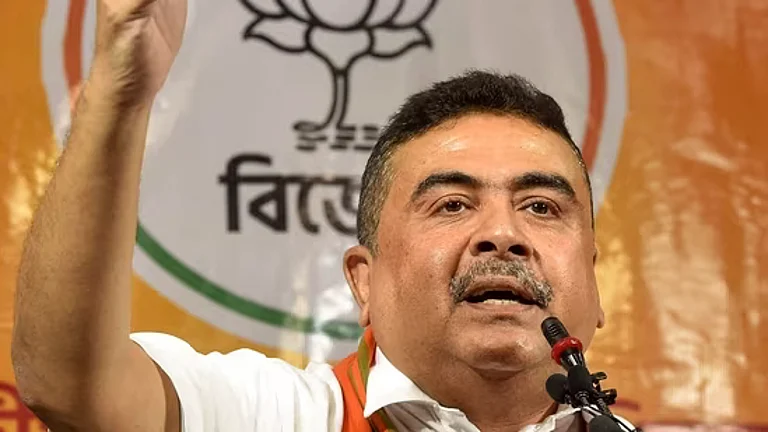
The appointment of a film producer has raised questions because the individual is neither a bureaucrat nor a politician but a businessman with no prior experience in government administration. Critics argue that such an appointment could lead to a conflict of interest, particularly if the appointee's business interests intersect with government policy.
The Indian Express report highlights concerns over "a clear conflict of interest," given that the appointee's business interests include real estate and event management, sectors that frequently require government clearances. While the state government has defended the appointment, citing the appointee's management skills and political loyalties, critics argue that the post requires impartiality and experience in navigating the bureaucracy.
Advertisement
The appointment also raises questions about whether businessmen can effectively represent the state's interests, given that they lack the bureaucratic expertise and institutional memory required for the job. The individual has been described as a loyalist with no political background, unlike his predecessors who have typically been civil servants with decades of experience in government administration.
Can Businessmen Hold Such Political Roles?
There is no legal bar on businessmen holding the position of Special Representative, as it is an appointment made by the state government under its executive powers. Unlike constitutional posts, which require specific qualifications, the role is a political appointment that can be filled by any citizen trusted by the chief minister.
However, the precedent has traditionally favoured bureaucrats or retired civil servants with deep knowledge of government functioning. The post requires experience in dealing with central ministries, understanding policy frameworks and maintaining relationships across the political spectrum. Businessmen, while possessing managerial skills, may lack the institutional knowledge required for effective liaison.
Advertisement
The Tamil Nadu government has previously appointed bureaucrats like M G Devasahayam and K Gnanadesikan, both retired IAS officers, to the post. The appointment of a businessman is a departure from this tradition. The individual's supporters argue that management skills and political loyalty are more important than bureaucratic experience, while his critics fear the position could be reduced to a political patronage post.
Published At: