Apex Body Leh and Kargil Democratic Alliance released negotiation records after Chhewang accused them of obstructing talks.
Both organisations say the Centre’s draft falls short of the May understanding.
Proposed Article 371(K) would provide Ladakh-specific safeguards and an elected governing body.
Beyond Article 371(K): Leh And Kargil’s Competing Concerns Over Ladakh’s Autonomy
Apex Body Leh and Kargil Democratic Alliance have released negotiation records to counter criticism from a breakaway faction, while disputing the powers offered under the Centre’s Article 371(K) proposal

Summary
A dispute over negotiations with the Centre has split Ladakh’s leadership, with the Apex Body Leh (ABL) and the Kargil Democratic Alliance (KDA) releasing meeting records to counter former ABL co-chairman Thupstan Chhewang’s accusation that they were sabotaging talks on autonomy.
The two organisations made five documents public on October 23, including records of their May 22 meeting with the Union Home Ministry. They say the documents show they accepted compromises on statehood and Sixth Schedule protection, but the Centre’s subsequent proposal did not reflect the understanding reached, as reported by the Indian Express.
Chhewang, who has formed a separate group, has criticised the negotiating leadership for taking a hard stance. The ABL and KDA remain aligned on their demands; the latest disagreement is between their joint leadership and the breakaway faction.
Why Were The Negotiation Records Released?
The ABL and KDA said publishing the documents would explain their position and counter allegations that they were withholding information.
“We made these documents public because some people said we are hiding the things. There is nothing to hide for us,” ABL chairman Dorjay Chering Lakrook told The Indian Express.
KDA co-chairman Sajad Hussain Kargili said the disclosure was intended to dispel “any confusion that the Centre and the Union Territory administration is trying to sow”.
The records concern the proposed Article 371(K), an elected governing body for Ladakh and the powers that institution would exercise.
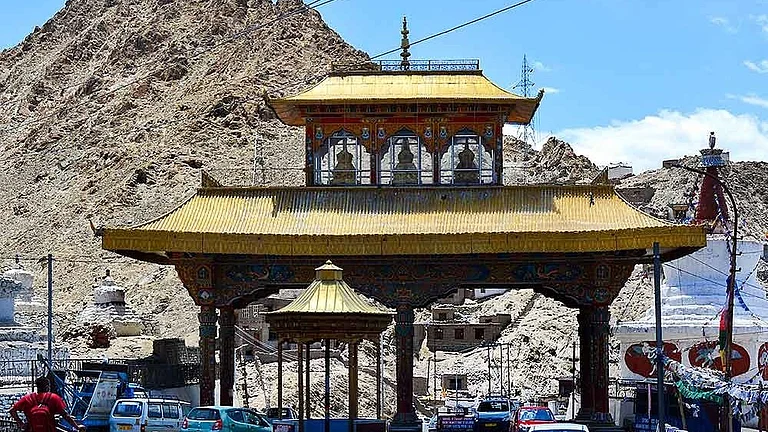
What Is Behind The Leadership Split?
Chhewang, a former BJP MP, was removed from the ABL in May after disagreements that included the organisation’s opposition to electricity privatisation. According to The Indian Express, he had also criticised its negotiating position and expressed reservations about the KDA’s growing influence.
The ABL and KDA, in turn, have accused the Centre and the Union Territory administration of encouraging divisions.
Advertisement
“There is no doubt that he (Chhewang) is playing into the hands of the BJP,” Lakrook said. “He is speaking the BJP’s language. An attempt is being made to create confusion among the people.”
The groups have also opposed the announcement of six additional Ladakh Autonomous Hill Development Councils. They allege the move is intended to cultivate an alternative support base rather than address their demand for an empowered Union Territory-level institution. Kargili called it a “diversionary tactic”.
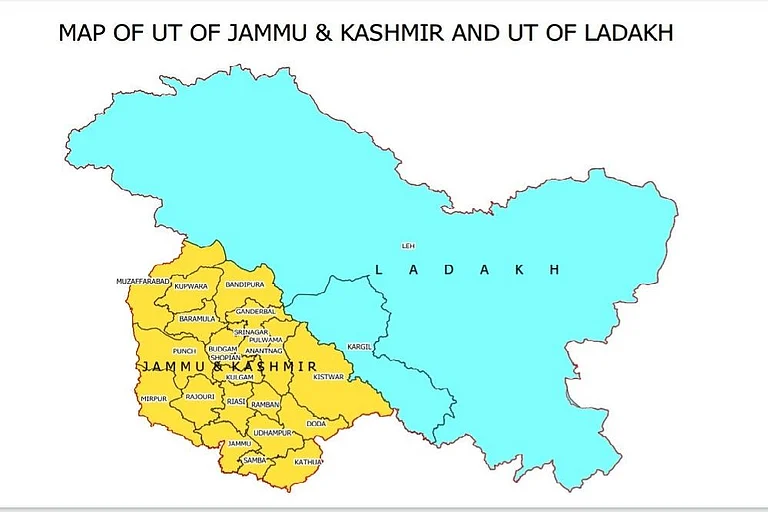
Abrogation Of Article 370 In 2019
Ladakh became a Union Territory without a legislature on October 31, 2019, following its separation from the former state of Jammu and Kashmir.
The decision initially drew support in Buddhist-majority Leh, where Union Territory status had been a longstanding demand. Shia Muslim-majority Kargil was more sceptical.
Concerns over political representation subsequently brought their leaders together. Ladakh no longer had representatives in a state assembly, while its administration came under the Lieutenant Governor.
Advertisement
The existing hill councils continued to operate under the Ladakh Autonomous Hill Development Council Act, 1997. They did not constitute a legislature for the entire Union Territory.
The ABL and KDA sought statehood, constitutional safeguards and stronger local authority over land, employment, culture and natural resources.
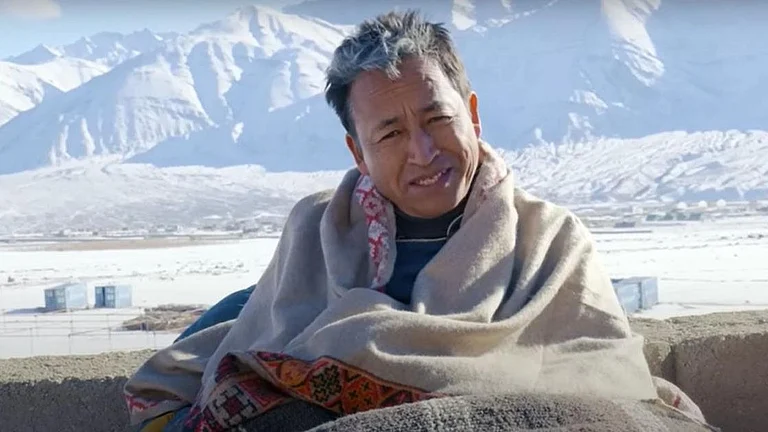
What Role Did Protests Play?
Demonstrations, shutdowns and hunger strikes kept these demands before the Centre. The movement linked demands for elected government with concerns about land rights, local employment and Ladakh’s environment.
On September 24, 2025, four protesters were killed in police firing after demonstrations in Leh turned violent. The deaths deepened the confrontation between the administration and the autonomy movement.
Negotiations continued, with the May 2026 discussions producing an understanding on a Ladakh-specific constitutional arrangement and an elected body. Differences over the subsequent draft have prevented a final agreement.

Advertisement
What would Article 371(K) provide?
Article 371(K) is a proposed constitutional provision, not a safeguard already in force.
It envisages a special arrangement for Ladakh, including an elected governing body and protections concerning land, culture, language, forests, the environment and natural resources.
Existing Articles 371 and 371A–371J provide different protections and administrative arrangements for particular states. Article 371A, for example, requires Nagaland’s Assembly to agree before specified parliamentary laws concerning Naga customary practices and land rights apply to the state. Mizoram has comparable protections under Article 371G.
Ladakh’s representatives have sought a consent mechanism for legislation affecting protected subjects. Whether the proposed Article 371(K) would provide that authority remains disputed.
How Is It Different From Sixth Schedule?
The Sixth Schedule provides autonomous district and regional councils in specified tribal areas of Assam, Meghalaya, Tripura and Mizoram. These institutions exercise legislative, administrative and judicial powers over defined matters, including land use, non-reserved forests and customary practices.
Advertisement
The proposed Article 371(K) instead envisages an elected institution at the Union Territory level, with powers determined by its constitutional and legal framework.
The demand for Sixth Schedule protection also has an official precedent. In September 2019, the National Commission for Scheduled Tribes recommended Ladakh’s inclusion, citing its predominantly tribal population, cultural heritage and land rights.
Statehood is a separate demand: neither Sixth Schedule inclusion nor Article 371 protection automatically creates a state.
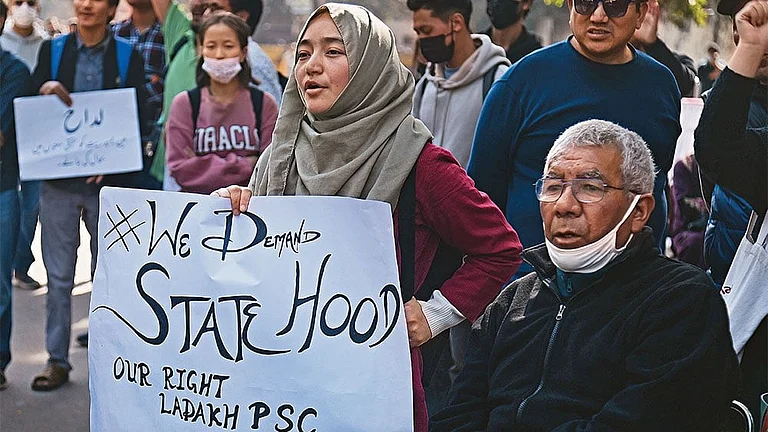
What Changed Between May And October
According to The Indian Express, the May 22 minutes, finalised and signed on July 3, envisaged an elected body with executive, financial and legislative powers, including supervision of officials handling its subjects.
The October 15 consultation draft proposed constitutional recognition under Article 371(K), while leaving the body’s composition and functions to a Presidential regulation under Article 240.
Its regulations would require the Lieutenant Governor’s assent. The draft retained Central oversight and did not specify the consent mechanism sought for parliamentary laws affecting protected subjects. The ministry described it as a consultation document, not its final position.
Ladakh Chief Secretary Ashish Kundra has defended the approach, saying the Centre envisages a distinct model rather than statehood or a conventional Union Territory legislature. He urged “mutual trust, openness of mind and patience”.
What Remains Unresolved?
Negotiators have yet to settle the elected body’s legislative jurisdiction, budgetary powers, control over officials and relationship with the Lieutenant Governor.
Delimitation, nominated members and women’s representation have also been discussed.
The ABL and KDA want enforceable constitutional safeguards alongside elected authority. The Centre maintains that a customised arrangement can meet Ladakh’s requirements. Agreement on the extent of those powers remains pending.
Published At: