UDF government proposes cutting tax on low-alcohol beverages from 251% to 120%, sparking widespread criticism.
IUML ally and Congress leaders express unease while CPI(M) and BJP accuse the move of encouraging drinking.
Government defends the tax proposal as confidential and not yet a policy on introducing new beverages.
Explained: Why A Proposed Tax Cut On Low-Alcohol Beverages Has Sparked A Political Storm In Kerala
Political storm erupts over proposed tax reduction on low-alcohol beverages amid anti-drug campaign

Summary
The Congress-led UDF government in Kerala is facing growing pressure to review its budget proposal to slash taxes on low-alcohol beverages, even as it advances an anti-drug campaign. Key ally IUML has voiced concerns, while the opposition CPI(M)-led LDF has stepped up attacks, alleging the move favours private liquor interests and contradicts stated policy goals.
The tax reduction from 251 per cent to 120 per cent has sparked debate across political lines, with questions about its timing, consultation process, and potential impact on alcohol consumption in the state. The controversy erupted shortly after the budget presentation by Chief Minister V D Satheesan, who also holds the finance portfolio.
What is the proposal?
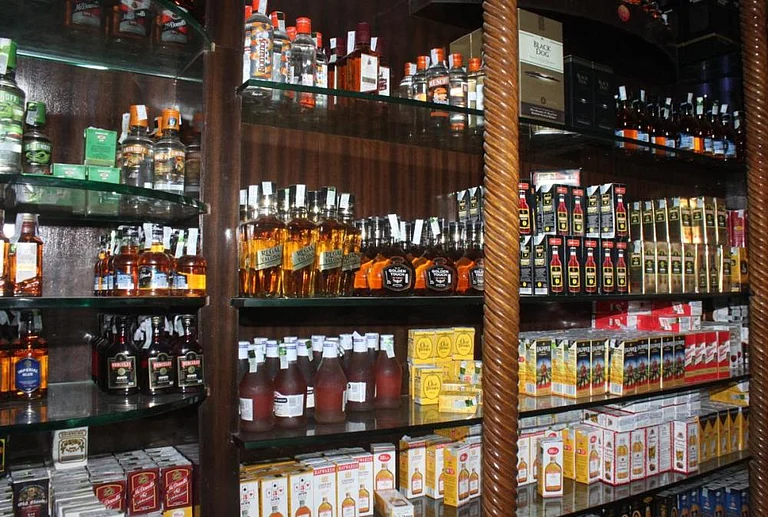
The state budget announced a reduction in taxes on low-alcohol beverages from 251 per cent to 120 per cent. This amounts to a cut of 131 per cent in the tax on low-alcohol content liquor. The government has maintained that the budget announcement pertains only to taxation and that it has not taken any decision to introduce low-alcohol beverages in the state. The proposal has, however, triggered widespread criticism and political debate over its possible effects on availability and consumption.
Why has the proposal triggered unease within the ruling front?
The latest sign of discomfort came from Indian Union Muslim League (IUML) state president Sadique Ali Shihab Thangal. In articles published in two Malayalam dailies, Thangal described substance abuse as a grave menace affecting individuals, families and society. He said efforts to build a drug-free Kerala should go hand in hand with addressing apprehensions over the tax concessions announced in the budget.
"While 'Operation Toofan' to drive out narcotics is being embraced across the state, concerns that have arisen regarding the liquor tax concessions in the budget should also be allayed," he said.
Thangal said studies indicated that a section of those who initially experiment with intoxicants eventually become habitual users, and stressed the need to create drug-free villages alongside drug-free homes. He praised the UDF government's anti-drug initiative and said the public should extend strong support to the campaign.
Advertisement
Referring to the seizure of narcotics worth around Rs 10 crore and the arrest of nearly 3,000 people within a short period under 'Operation Toofan', he termed the drive a significant step against substance abuse.
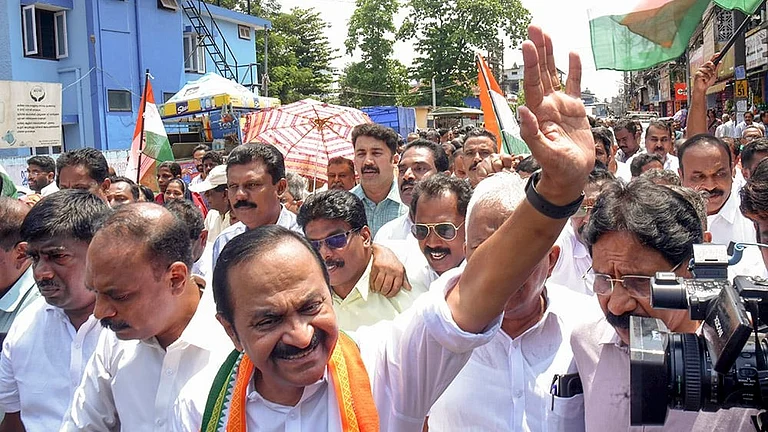
Thangal's remarks carry weight because political opponents had been questioning the IUML's silence on the government's proposal as a key UDF constituent. Senior Congress leader V M Sudheeran also criticised the proposal as being contrary to the UDF's election manifesto promise to curb the spread of alcohol and narcotic substances. He recently wrote to Chief Minister V D Satheesan seeking immediate withdrawal of the proposal.
How has the opposition responded in the Assembly and outside?
The opposition CPI(M)-led LDF created a ruckus in the Kerala assembly and walked out after the Speaker denied permission for an adjournment notice on the tax reduction. Leader of Opposition Pinarayi Vijayan alleged that the cut of 131 per cent in the tax on low-alcohol content liquor was aimed at benefiting a private company in Karnataka called 'Bacardi'.
Advertisement
"Otherwise, what is the need for such a huge tax cut? This will lead to low-alcohol-content liquor being as easily available as soft drinks in the state. This will increase alcohol consumption among the youth," Vijayan claimed.
Senior CPI(M) leader and former finance minister K N Balagopal raised the issue as an adjournment motion during zero hour, leading to a ruckus and a walkout by the Left opposition. Balagopal said the previous LDF government had opposed such products fearing that their availability at lower prices would encourage "social drinking" and eventually lead to higher alcohol consumption.
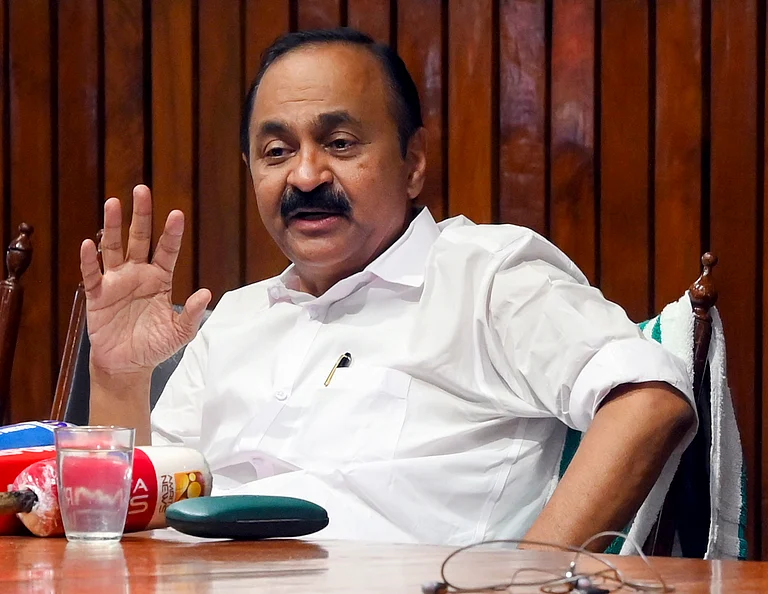

He alleged that the government is not ready to clearly state whether it will withdraw the tax cut proposal or stick to its decision. Balagopal pointed out that the file related to it was processed at a record pace and questioned how a decision to permit flavoured alcoholic beverages, which had been rejected by the previous government, was taken at war-footing speed. He also sought to know how the decision was taken without the knowledge of the Excise Minister and the Cabinet, and in a manner contrary to the UDF's election manifesto.
Advertisement
The LDF has repeatedly alleged that the move was intended to benefit liquor companies and could pave the way for corruption. In another development, the opposition staged a walkout demanding a discussion during Zero Hour.
BJP state president Rajeev Chandrasekhar criticised the decision, alleging it would encourage alcohol consumption among young people. He said the move showed that the ruling LDF and the opposition UDF were no different when it came to liquor policy.
"LDF and UDF are one and the same once again. The government announces a fight against drugs while trying to increase the flow of intoxicants," he said.
Chandrasekhar claimed that lowering taxes on low-strength alcoholic beverages would send a "dangerous message by creating the impression that such drinks are harmless", making them more attractive to young people and potentially increasing alcohol consumption. He questioned whether there were "vested interests" behind the decision and called for its immediate withdrawal. Chandrasekhar also noted that when a similar proposal was made by the previous LDF government, then Opposition leader Satheesan had opposed it.
Advertisement
What is the government's defence and position on the controversy?
Home Minister Ramesh Chennithala dismissed reports of differences within the government. He said tax-related decisions in the budget are confidential and cannot be discussed in advance. Chennithala explained that matters related to taxation are handled confidentially by the finance minister, and only the Chief Minister is involved until the budget is presented. Since the CM is also the finance minister, decisions to increase or reduce taxes remain confidential to avoid budget leaks.
"There can be discussions if any changes are needed. During the budget discussion, issues raised can be considered, and the government can take an appropriate decision," he said.
Chennithala reiterated that the liquor policy is yet to be announced, and the budget proposal concerns only taxation. Local Self-Government Minister K M Shaji defended the UDF's liquor policy as aimed at reducing alcohol consumption and reiterated the IUML's long-standing opposition to liquor. Excise Minister M Liju has maintained that the government has not taken any decision to introduce low-alcohol beverages and that the announcement pertains only to taxation.

Home Minister Chennithala further defended the proposal, saying the UDF government has not permitted any new bars since assuming office and that its policy is aimed at gradually reducing alcohol consumption and availability in the state.
The Speaker, Thiruvanchaoor Radhakrishnan, denied permission for the opposition's adjournment notice, citing the need to complete budget discussions. Chief Minister V D Satheesan and Home Minister Chennithala later told the House that the opposition leader had read out the full content of the denied notice, which they said violated rules, and sought its removal from records. The Speaker said he would examine the matter.
The tax proposal continues to draw criticism from various quarters. The government maintains that changes can be made if necessary during budget discussions, while the opposition and allies push for clarity and possible withdrawal. The episode highlights tensions between the anti-drug push under 'Operation Toofan' and fiscal decisions on alcohol taxation, raising broader questions about policy consistency in addressing substance abuse in Kerala.
(With inputs from PTI)
Published At: