The Centre has authorised states and UTs to exercise UAPA powers against Zakir Naik's banned Islamic Research Foundation
Naik faces an NIA case and separate financial proceedings in India, with allegations yet to be established through trial
The preacher has faced restrictions in the UK, Bangladesh and Malaysia, although the measures differ across countries
Who Is Zakir Naik? The Cases, Controversies And Why India Wants Him Back
The Centre has empowered states and Union Territories to act against funds and premises linked to Naik's banned Islamic Research Foundation, bringing renewed attention to the preacher's legal cases in India and restrictions on his activities abroad.

Summary
Islamic preacher Zakir Naik has come under renewed scrutiny after the Union Home Ministry empowered state governments and Union Territory administrations to act against funds and premises linked to his organisation, the Islamic Research Foundation (IRF). The Thursday notification follows the Centre's decision on November 13 to extend the organisation's ban by another five years.
Invoking Sections 7 and 8 of the Unlawful Activities (Prevention) Act (UAPA), the order allows authorities to prohibit the use of funds linked to IRF and notify premises used by the organisation. It does not impose a fresh personal ban on Naik or automatically authorise the confiscation of all properties associated with him.
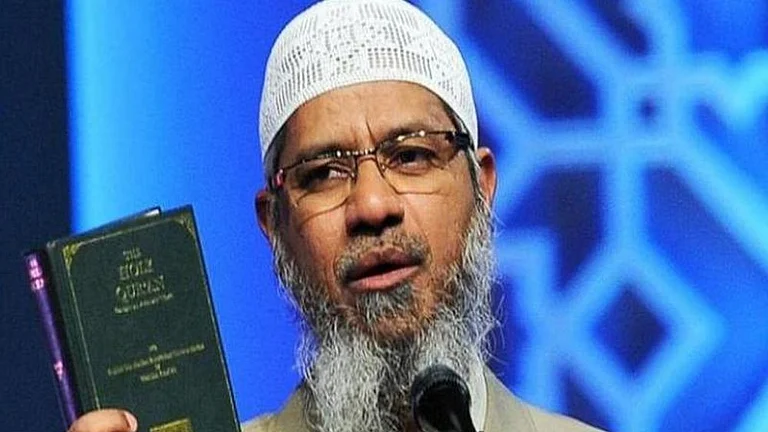
Who Is Zakir Naik And Why Is India Pursuing Him?
Born in Mumbai in 1965, Zakir Abdul Karim Naik trained as a medical doctor before becoming an Islamic preacher known for lectures on Islam and comparative religion. He founded IRF in 1991 and built an international following through public lectures, books and Peace TV.
The National Investigation Agency (NIA) registered a case against Naik, IRF and associates in November 2016, alleging that his speeches promoted religious enmity and encouraged radicalisation among Muslim youth. In October 2017, it filed a chargesheet invoking provisions of the Indian Penal Code, including criminal conspiracy, promoting enmity and outraging religious feelings, alongside charges under the UAPA. The NIA lists Naik among its most-wanted individuals and records the case as being at the trial stage. These are allegations, not convictions.
The government has alleged that IRF's activities threatened communal harmony and national security. A UAPA tribunal upheld the organisation's designation as unlawful in 2022. IRF disputed the allegations, arguing that Naik's statements were made in his individual capacity and that some recordings had been taken out of context.
The Enforcement Directorate has separately pursued a financial case involving alleged money laundering. Its 2025–26 annual report records an application against Naik under the Fugitive Economic Offenders Act as sub judice. He has not been declared a fugitive economic offender through a final decision.
Advertisement
Where Has Zakir Naik Faced Restrictions?
United Kingdom: Naik was excluded from entering the UK in June 2010 because the Home Secretary considered his presence not conducive to the public good. The decision cited 11 statements that the government considered supportive of terrorist activity and religious hatred. His legal challenges were rejected by the High Court in 2011 and the Court of Appeal in 2012. The exclusion remained in force as of 2019.
Bangladesh: Authorities cancelled Peace TV's downlink permission in July 2016 amid concerns about the possible radicalising influence of Naik's speeches, following the Dhaka Holey Artisan attack. The restriction applied to the television channel, not Naik personally.
Malaysia: A nationwide restriction on Naik's public speeches was imposed in August 2019 after controversial remarks about the country's Chinese and Indian communities prompted police investigations. However, Malaysia's Home Minister told Parliament in February 2025 that the restriction was no longer in force.
Advertisement
India: IRF remains banned under the UAPA, while Naik faces the NIA case. Peace TV has also been denied permission to downlink into India. These measures do not amount to a personal entry ban.
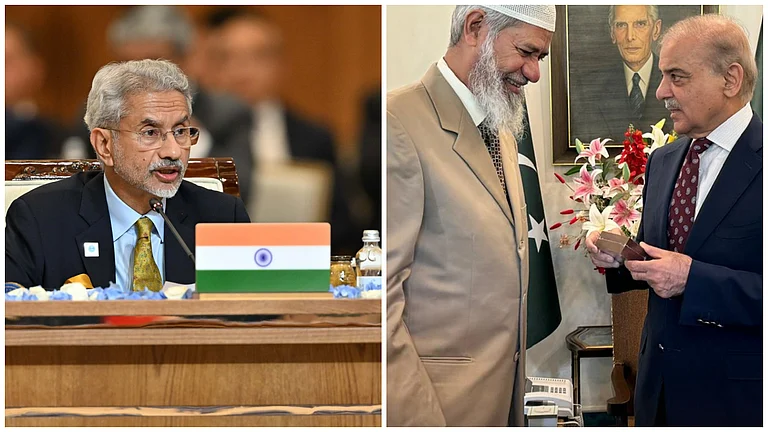
India's Extradition Efforts
India initially sought an Interpol Red Notice against Naik in May 2017. After the request was considered premature, it submitted a fresh request in January 2018 and sent Malaysia a provisional arrest and extradition request that month. In a parliamentary response in July 2018, the Home Ministry said it had received no further communication from Interpol on the fresh request.
The restrictions against Naik therefore vary considerably: the UK excluded him personally, Bangladesh restricted his television channel, Malaysia's temporary speaking ban has been lifted, and India has pursued criminal proceedings against him and banned his organisation. These distinctions are central to understanding the legal action taken against the preacher across different countries.
Advertisement
Published At:
Tags