Sheikh Hasina plans to return to Bangladesh from India on December 16, its Victory Day.
The date marks Bangladesh's 1971 victory over Pakistan under the leadership of her father, Sheikh Mujibur Rahman.
Hasina faces arrest upon her return after receiving a death sentence in absentia for crimes against humanity.
Sheikh Hasina's Fall, Exile And Planned Return: Why Dec 16 Victory Day Matters
Ousted Bangladesh prime minister Sheikh Hasina plans to return from India on December 16, the country's Victory Day, a date that carries historical and political significance for her family and the Awami League

Summary
Former Bangladesh Prime Minister Sheikh Hasina, who was ousted in August 2024 following a student-led uprising, has announced plans to return to Dhaka from exile in New Delhi on December 16. The date coincides with Bangladesh's Victory Day, which marks the country's victory over Pakistan in the 1971 Liberation War.
However, her proposed return comes amid a death sentence imposed on her in absentia by a Bangladeshi tribunal for crimes against humanity linked to the crackdown on protesters during the 2024 uprising. She is expected to be arrested if she returns to the country.
Hasina, who rejected the verdict, has said she is prepared to fight the case after returning to Bangladesh.
The proposed date of her return is significant not only because of the national occasion but also because of her family's association with the country's independence movement. Her father, Sheikh Mujibur Rahman, led the struggle for Bangladesh's independence and became the country's founding leader.
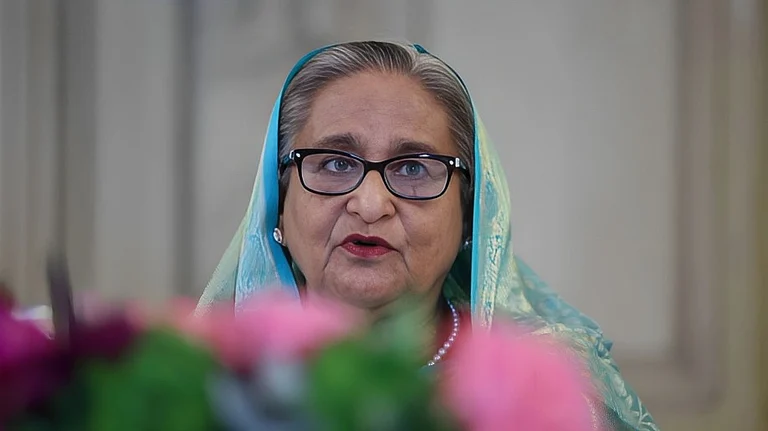
Why Is December 16 Significant For Sheikh Hasina?
December 16 is observed as Victory Day in Bangladesh, marking the surrender of Pakistani forces in Dhaka in 1971 and the end of the nine-month Liberation War. The victory led to the emergence of Bangladesh as an independent country.
The day holds particular significance for Hasina because of her father, Sheikh Mujibur Rahman, who led the country's independence movement and is widely regarded as the founding father of Bangladesh. He was popularly known as Bangabandhu.
Hasina's aide Abu Obaidha Arin described her decision to choose December 16 as the date of her planned return as deeply symbolic.
Speaking to The Associated Press, Arin said she would celebrate the historic occasion among her people, honouring the victory achieved under her father's leadership.
In a statement announcing the proposed return, Hasina also urged the government of Prime Minister Tarique Rahman to arrange her journey from Delhi to Dhaka on the national carrier.
Advertisement
Her spokesperson, Syed Mozammel Ali, said Hasina had travelled to India aboard a Bangladeshi aircraft on August 5, 2024, and had now called upon the government to arrange her return in a similar manner.
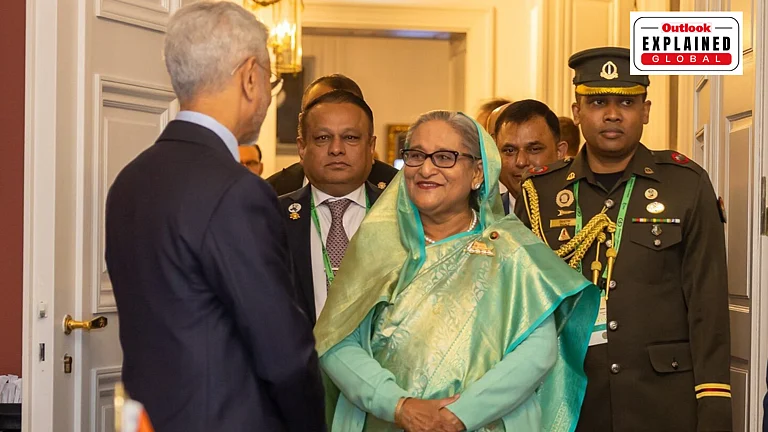
Sheikh Hasina's Ouster And Exile In India
Hasina went into exile in India on August 5, 2024, after a student-led mass uprising brought an end to her 15-year rule.
The protests, which began over the government's job quota system, grew into a nationwide movement against her government. The crackdown on demonstrators resulted in hundreds of deaths and intensified demands for her resignation.
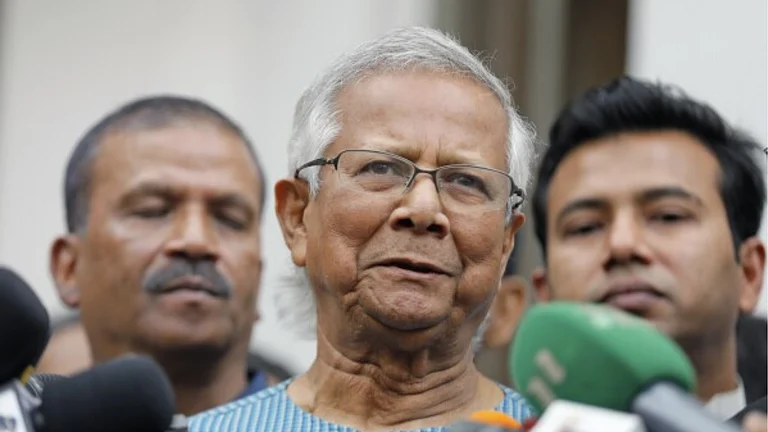
Three days after her departure, Nobel Peace Prize laureate Muhammad Yunus took charge of an interim government.
Hasina subsequently rejected the allegations against her and the proceedings that led to her conviction.
Earlier this month, in an interview with The Associated Press, she said she would return to Bangladesh in December at any cost, adding that even death would not prevent her from coming back.
Advertisement
What Happens If Sheikh Hasina Returns?
Hasina's proposed return faces a major legal hurdle. She was sentenced to death in absentia for crimes against humanity linked to the killing of protesters during the 2024 uprising. Bangladesh has sought her extradition from India, while the government in Dhaka has maintained that she would face arrest if she returned.
Abu Abdullah M Saleh, press secretary to Prime Minister Tarique Rahman, told The Associated Press that the government's position remained unchanged.
He said Hasina had been convicted by a tribunal and that Bangladesh had sought her extradition.
A prosecutor had earlier said that Hasina could not appeal against the death sentence because she had missed the prescribed deadline. He also maintained that there was no legal basis to stop her execution.
Bangladesh's legal system allows presidential clemency. However, Hasina has rejected the verdict and has not sought clemency in her earlier statements.
Advertisement
She has maintained that she is ready to contest the case after returning to the country.

Bangladesh's Political Landscape After Hasina's Departure
Hasina's departure also brought a major change in Bangladesh's political landscape.
The interim government led by Muhammad Yunus later handed over power to the elected government of the Bangladesh Nationalist Party (BNP), led by Tarique Rahman.
The Awami League, Hasina's party, was banned under the Yunus-led interim administration and was not allowed to contest the February election.
Meanwhile, Jamaat-e-Islami, which supported Pakistan's military during the 1971 Liberation War, returned to electoral politics and emerged as the main opposition party.
During Hasina's tenure, several senior leaders of Jamaat-e-Islami were convicted and executed on charges of war crimes linked to the 1971 conflict.
Hasina's planned return on December 16, therefore, comes at a politically sensitive moment for Bangladesh. The date carries the memory of the country's liberation struggle and her father's legacy, while her own political future remains uncertain amid the death sentence and the prospect of arrest.
Advertisement
Published At: