India and Pakistan resume unofficial Track-II talks after Operation Sindoor tensions.
Delegates discussed terrorism, Indus waters, and crisis management mechanisms.
Pahalgam attack and Operation Sindoor continue shaping India-Pakistan relations.
Geopolitical shifts influence renewed India-Pakistan backchannel engagement.
Outlook Explains | What’s Driving India-Pakistan's Track-II Talks After Operation Sindoor
Indian and Pakistani delegates held unofficial Track - II talks in Colombo this week with the meetings come amid renewed tensions over PoK and months after Operation Sindoor

Summary
Fresh political tensions in Pakistan-occupied Kashmir (PoK) have coincided with a rare diplomatic development. Indian and Pakistani delegates recently held an unofficial Track-II dialogue, during a conference organized by the International Institute for Strategic Studies (IISS) in Colombo.
This marks the first reported backchannel engagement since relations plunged after the Pahalgam terror attack and India's Operation Sindoor. However, the discussions have not been officially acknowledged by either New Delhi or Islamabad.
The Track – II discussions come days after Pakistan's Defence Minister Khawaja Asif questioned whether residents of Rawalakot and Mirpur were "proper Kashmiris", triggering a sharp response from PoK Prime Minister Chaudhry Anwar-ul-Haq on Saturday, who said the people of the region did not need validation from Islamabad. The public exchange has once again drawn attention to PoK, which India maintains is an integral part of the country under Pakistan's illegal occupation.
What Happened in Colombo
The Track-II dialogue took place on the sidelines of a regional security conference in Colombo, bringing together former diplomats, retired military officers, strategic experts and politicians from both countries. Another round of discussions is expected to be held in Bangkok.
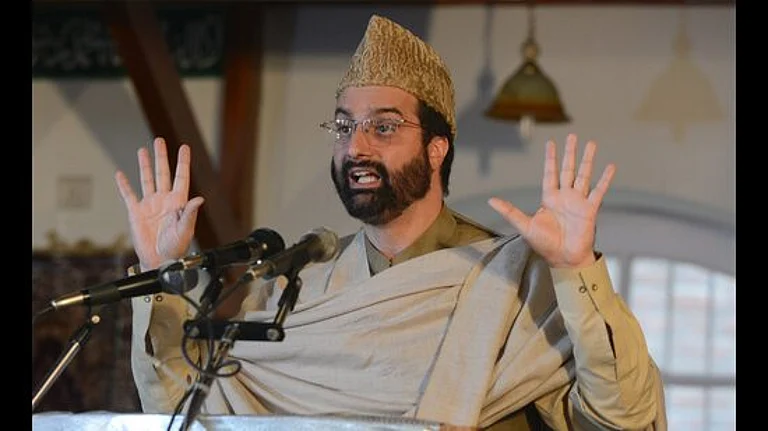
The participants reportedly discussed terrorism, cross-border river waters, crisis management and mechanisms to prevent future military escalation. Unlike formal diplomacy, Track-II engagements are unofficial and participants attend in their personal capacities rather than as representatives of their governments.
What is Track-II Diplomacy
Track-II diplomacy refers to informal dialogue between non-serving officials, academics, retired military officers, policy experts and civil society representatives. Unlike Track-I diplomacy, which involves official government negotiations, Track-II discussions are non-binding and are intended to keep communication channels open during periods of diplomatic deadlock.
India and Pakistan have periodically relied on such backchannels during times of heightened tensions, allowing participants to exchange ideas on conflict management without committing either government to policy decisions.
Advertisement
Why Now
The reported dialogue comes at a time when official India-Pakistan relations remain virtually frozen.
On April 22, terrorists killed 26 civilians in Pahalgam, Jammu and Kashmir. India attributed the attack to Pakistan-backed terrorists and responded by announcing a series of diplomatic measures, including placing the Indus Waters Treaty in abeyance, closing the Attari Integrated Check Post, suspending visa services for Pakistani nationals and reducing diplomatic engagement.
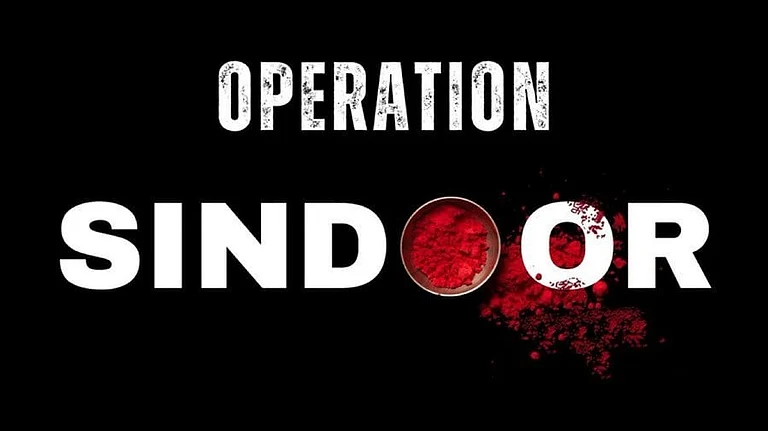
On May 7, India launched Operation Sindoor, carrying out cross-border strikes on terrorist infrastructure in Pakistan and PoK. The military exchanges that followed marked one of the most serious confrontations between the neighbours in recent years before both sides halted military operations.
New Delhi has since maintained that its position remains unchanged: terrorism and talks cannot go together, and any improvement in bilateral ties depends on credible action by Pakistan against cross-border terrorism.
Advertisement
Conflict, Terror and Diplomacy
India and Pakistan have fought four wars since Independence in 1947-48, 1965, 1971 and the 1999 Kargil conflict, while major terror attacks, including the 2001 Parliament attack, the 26/11 Mumbai attacks, the 2016 Uri attack, the 2019 Pulwama bombing and the 2025 Pahalgam terror attack, have repeatedly derailed diplomatic engagement. India's responses have ranged from the 2016 Surgical Strikes and the 2019 Balakot air strikes to Operation Sindoor following Pahalgam.
Despite recurring hostilities, the 1972 Shimla Agreement continues to provide the framework for resolving disputes bilaterally, while the 1960 Indus Waters Treaty remained in force through decades of conflict until India placed it in abeyance after the Pahalgam attack, linking any future implementation to credible action by Pakistan against cross-border terrorism.
Trade at a Standstill
Economic ties have deteriorated alongside diplomatic relations. Before Operation Sindoor, bilateral trade had already declined sharply from earlier levels. According to recent trade data, commerce worth around US$1.2 billion has now fallen to near zero following the suspension of trade and additional restrictions imposed by both countries.
Advertisement
The decline has affected sectors ranging from pharmaceuticals and chemicals to agricultural products and textiles, further reducing one of the few remaining areas of bilateral engagement.
The Geopolitical Graph
The reported Track-II talks come amid shifting regional and global dynamics that continue to shape India-Pakistan relations beyond their bilateral disputes.
Pakistan has further strengthened its strategic partnership with China, with both sides reaffirming cooperation in defence, infrastructure, regional connectivity and the China-Pakistan Economic Corridor (CPEC) during recent high-level engagements. At the same time, Islamabad has sought to broaden its diplomatic outreach to Washington, projecting itself as a regional interlocutor after claiming a role in facilitating communication during the recent US-Iran crisis, even as it attempts to improve ties with Gulf nations and other partners.
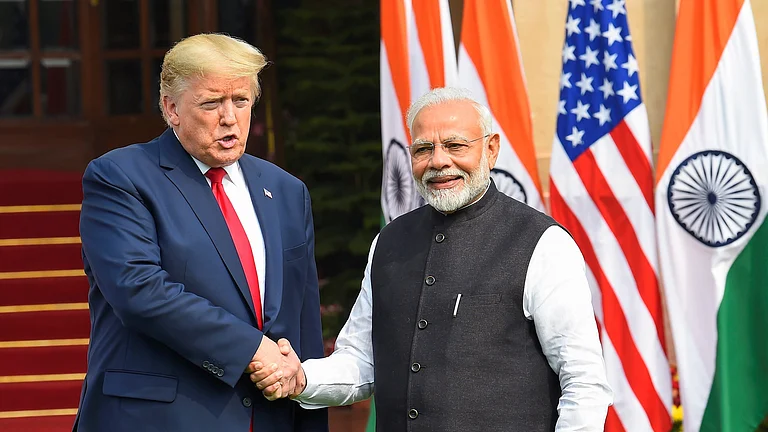
For India, the geopolitical landscape has evolved differently. New Delhi has deepened strategic cooperation with the United States, France, Japan and Australia through defence, technology and Indo-Pacific initiatives, while continuing to press its case internationally on cross-border terrorism. Relations with Pakistan have also been reshaped by the suspension of the Indus Waters Treaty, the near-collapse of bilateral trade and India's continued insistence that any future engagement must be preceded by credible action against terrorism.
Advertisement
Against this backdrop, Track-II diplomacy offers an informal channel for dialogue at a time when official engagement remains suspended. However, any progress beyond unofficial discussions will ultimately depend on political decisions taken in New Delhi and Islamabad rather than the outcome of backchannel meetings alone.
Published At: