Tariff and market access disputes remain the biggest hurdle in India-US trade negotiations
Dairy, agriculture, pharma, and IT services are key sectors where both sides seek concessions
Failure of talks could trigger higher US tariffs, while a deal could boost trade and lower costs for some consumers
The 7 Big Issues Holding Up The India-US Trade Deal
India and the US remain divided over tariffs, dairy imports, market access, non-tariff barriers, pharma and IT services, consumer benefits, and the threat of additional US tariffs, delaying the finalisation of a bilateral trade deal

Summary
As India and the United States continue negotiations over a proposed bilateral trade agreement, several contentious issues remain unresolved despite months of discussions. Both sides have expressed optimism about reaching a deal, but disagreements over tariffs, agriculture, market access, regulatory barriers and services trade continue to complicate the talks.
The negotiations have gained urgency amid concerns over potential tariff actions from Washington and India's efforts to secure greater access for its exports in the world's largest economy.
What Is The India-US Trade Deal Being Negotiated?
India and the United States are working towards a comprehensive trade arrangement aimed at expanding bilateral commerce and reducing trade barriers. The agreement is expected to address tariffs, investment rules, market access and regulatory issues affecting businesses in both countries.
Notably, under the February framework, the US had agreed to reduce tariffs on Indian goods to 18 per cent, lower than those imposed on several competing exporters. However, subsequent policy changes and a court ruling led Washington to impose a temporary 10 per cent tariff on imports from all countries, forcing both sides to revisit core elements of the agreement
Similarly, the two nations have set ambitious goals of significantly increasing bilateral trade over the coming years. While both governments agree on the broader objective, the challenge lies in finding common ground on sensitive sectors that have long been points of friction.
Trade officials from both countries have held multiple rounds of discussions, with negotiators attempting to bridge differences before any final agreement is announced.
Why America Wants Greater Market Access
One of Washington's primary demands is improved access to the Indian market for American goods and services. US negotiators argue that India maintains relatively high tariffs on several imported products, making it difficult for American companies to compete.
The United States has sought lower duties on products such as automobiles, medical devices, agricultural goods and manufactured items. American businesses have also pushed for easier investment conditions and fewer regulatory restrictions.
India, however, maintains that tariffs are necessary in some sectors to protect domestic industries and safeguard livelihoods.
Advertisement
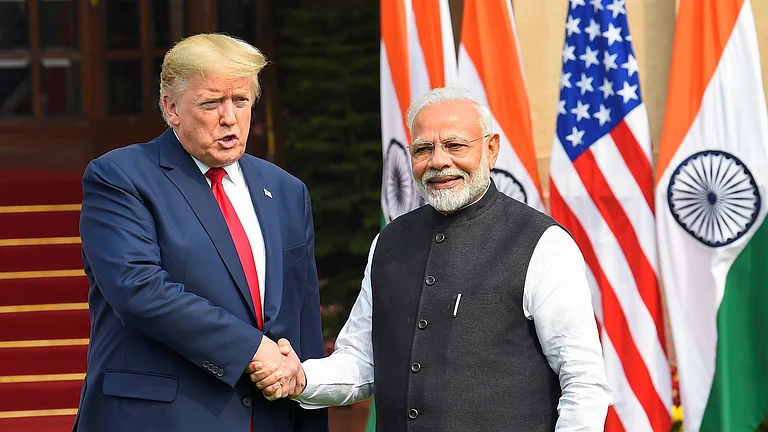
The Dairy Battle India Doesn't Want To Lose
Among the most politically sensitive issues is dairy trade.
The United States has repeatedly sought greater access for its dairy products, but India has remained reluctant to open the sector. The Indian dairy industry supports millions of small farmers and cooperatives across the country, making it a highly sensitive area for policymakers.
India has also raised concerns regarding certification requirements and production practices followed in some exporting countries. Any major concession on dairy imports could face resistance from farmer groups and political stakeholders.
For New Delhi, protecting rural incomes remains a key consideration in the negotiations.
Why Non-Tariff Barriers Have Become The New Trade War
While tariffs often dominate headlines, many trade disputes today revolve around non-tariff barriers.
These include product standards, licensing requirements, certification procedures, testing norms and regulatory approvals that can affect market access. The United States has argued that some Indian regulations create obstacles for foreign businesses.
Advertisement
India, on the other hand, has raised concerns about stringent American regulatory requirements affecting exports from sectors such as agriculture, engineering goods and food products.
Negotiators are attempting to create mechanisms that would reduce such barriers without compromising domestic regulatory standards.
What Happens To Indian Pharma And IT Services?
India is seeking greater opportunities for its pharmaceutical and information technology sectors.
The pharmaceutical industry wants easier access to the US market and faster regulatory clearances for generic medicines. Indian companies view the American healthcare market as a major growth opportunity.
Similarly, the IT sector is closely watching discussions on professional mobility and services trade. Indian technology firms have long sought smoother visa processes and fewer restrictions on skilled professionals working in the United States.
Any progress in these areas would be viewed as a significant gain for India.
Could Indian Consumers Benefit From Lower Prices?
A successful trade agreement could potentially lower prices on certain imported products by reducing tariffs and increasing competition.
Advertisement
Consumers may benefit from a wider range of goods, including electronics, medical devices and specialised products. Businesses that rely on imported components could also see reduced costs.
However, policymakers must balance consumer benefits against concerns from domestic industries that fear increased foreign competition.
The outcome will likely determine which sectors gain and which face new competitive pressures.
Will Trump Impose More Tariffs If Talks Fail?
The possibility of additional US tariff measures remains one of the factors driving the negotiations.
US President Donald Trump has repeatedly advocated tougher trade policies and has not ruled out tariff actions against trading partners when negotiations stall.
Trade experts believe both countries have strong incentives to avoid a prolonged dispute. India remains an important economic and strategic partner for Washington, while the United States continues to be one of India's largest trading partners.
Although significant differences remain, negotiators on both sides are expected to continue discussions in the coming weeks. Whether they can bridge the gaps on agriculture, market access, services and tariffs will determine if a trade deal can be finalised or whether tensions over trade are set to escalate further.
Advertisement
Published At: