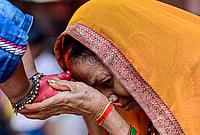


Dussehra in Bastar, Chhattisgarh, follows a tradition quite different from the celebrations seen across much of India. There is no Ravana effigy to burn and the festival is not centred on the Ramayana. Instead, Bastar Dussehra is associated with Goddess Danteshwari, local deities and the cultural traditions of the Bastar region. The festival is celebrated over around 75 days, making it one of the longest-running traditional festivals in India.
Held mainly in Jagdalpur, Bastar Dussehra brings together communities from across the region through a series of rituals, processions and chariot ceremonies.
Bastar Dussehra 2026 Dates
The Bastar Dussehra 2026 celebrations began with Pat Jatra on August 12. The main rituals continue through October, with the formal farewell taking place on October 27.
Key dates in the 2026 schedule include:
August 12: Pat Jatra Puja
September 24: Deri Gadai Puja
October 10: Kachhangudi Puja
October 11: Kalsa Sthapana
October 12: Jogi Bithai
October 13–18: Navratri Puja and Rath Parikrama
October 19: Maha Ashtami and Nisha Jatra
October 20: Kumari Puja, Jogi Uthai and Mawli Parghav
October 21: Bhitar Raini
October 22: Bahar Raini
October 23: Kachhan Jatra and Muria Darbar
October 24: Kutumbh Jatra and farewell of village deities
October 27: Maawli Danteshwari Mata Vidai
The dates are based on the published 2026 festival schedule.
History of Bastar Dussehra
The history of Bastar Dussehra is closely linked with the region’s royal traditions. The Ministry of Tourism traces the festival to the reign of King Purushottam Dev, the fourth ruler of Bastar, and places its origins in the 13th century. His pilgrimage to Jagannath Puri is traditionally connected with the beginning of the chariot tradition in Bastar.



The festival also has a strong connection with Kachhan Devi, whose blessings are traditionally sought before important ceremonies. Over time, these royal and local traditions became part of the distinctive Dussehra celebrations of Bastar.
Pat Jatra Marks the Beginning
The first major ritual is Pat Jatra, held on Hareli Amavasya. A piece of sal wood is brought from the forest and worshipped before being used in the preparation of the festival chariot.
The ritual reflects the close relationship between Bastar's communities, forests and traditional practices. According to the Ministry of Tourism, Pat Jatra formally marks the beginning of the 75-day Bastar Dussehra festival.
Why Bastar Dussehra is Different
The most striking feature of Bastar Dussehra is that it does not involve the burning of Ravana. The Bastar district administration states that the festival is not connected with Ravana's defeat in the Ramayana. Instead, its traditions are associated with Goddess Durga, local deities and the religious practices of the region.
The festival also differs in its duration. While Dussehra in many parts of India is celebrated over a few days, Bastar Dussehra stretches across several weeks, with different rituals marking different stages.
Chariot Rituals and Traditional Ceremonies
The construction and movement of the chariot are central to the festival. Rituals such as Kachhin Gadi, Jogi Bithai, Rath Parikrama, Mawli Parghav, Bhitar Raini and Bahar Raini form part of the celebrations.
The chariot processions bring together local communities and deities from different parts of Bastar. The ceremonies are closely connected with the region's traditional religious practices and its long association with the Bastar royal family.
What Is Muria Darbar?
Muria Darbar is one of the important concluding traditions of Bastar Dussehra. Historically, it was associated with the Bastar royal family and provided a platform for local communities to raise their concerns.
According to the Bastar district administration, the responsibility is now carried out by administrative officials. The ceremony reflects the festival's connection not only with religion and culture but also with the traditional public life of the region.
After the main ceremonies, the participating village deities begin their return journey. The farewell of Maawli Danteshwari Mata on October 27, 2026, marks the formal conclusion of the festival's 2026 celebrations.
Why Bastar Dussehra Matters
Bastar Dussehra offers a different way of understanding Dussehra. Its significance lies not in a single day's celebration but in a long sequence of rituals that bring together faith, tribal traditions, local deities, forests, chariot ceremonies and community participation.
For visitors, the festival also provides an opportunity to experience the cultural heritage of Bastar through its rituals and processions in Jagdalpur. Its distinctive traditions make Bastar Dussehra 2026 an important cultural event to explore during the festive season.