Siddaramaiah called for 75% reservation for Dalits, backward communities and minorities based on their population.
He urged the Karnataka government to implement the caste survey report prepared during his earlier tenure as chief minister.
The former chief minister also called for caste- and population-based political representation and reforms to the electoral system.
Siddaramaiah Demands 75% Reservation For Dalits, Backward Communities, Minorities
Former Karnataka Chief Minister Siddaramaiah has called for 75% reservation for Dalits, backward communities and minorities, while urging implementation of the state’s caste survey report.

Summary
Former Karnataka Chief Minister Siddaramaiah on Sunday called for implementation of the caste census and increase of reservation for Dalits, backward communities and minorities to 75 per cent, saying an egalitarian society could not be achieved without equal opportunities based on population.
Speaking at the Karnataka State Backward Castes Federation's Silver Jubilee celebration here, Siddaramaiah said the caste survey report must be implemented and asserted that reservation should be provided according to the population of each community.
"If all of you are to get social justice, there must be at least 75 per cent reservation. Dalits, backward communities and minorities--all of them must get 75 per cent," he said.
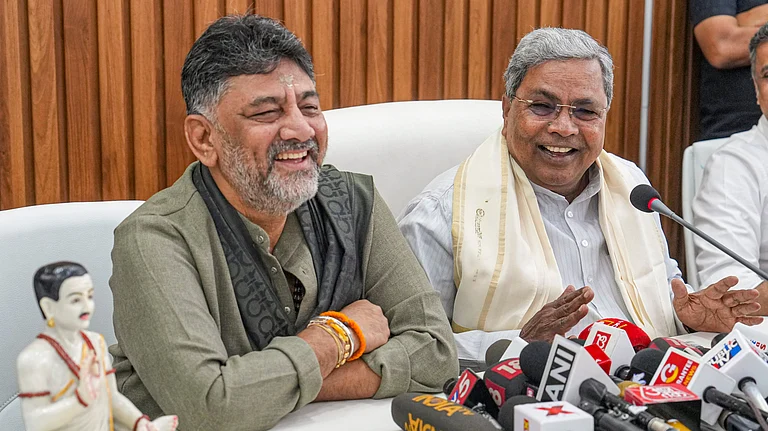
Only when everyone gets reservation according to their caste and according to their population will it be possible to create an egalitarian society, he said, adding that similar reservation based on caste and population in the Lok Sabha and Legislative Assembly is necessary to achieve political equality.
Siddaramaiah said the caste survey conducted during his earlier tenure as chief minister should be implemented.
He was referring to the report submitted by the Backward Classes Commission headed by Madhusudan Naik, which he said he had accepted before demitting office as chief minister.
He said a court order currently prevented the report from being implemented or made public, and said he had conveyed the matter to federation president Ramachandrappa.
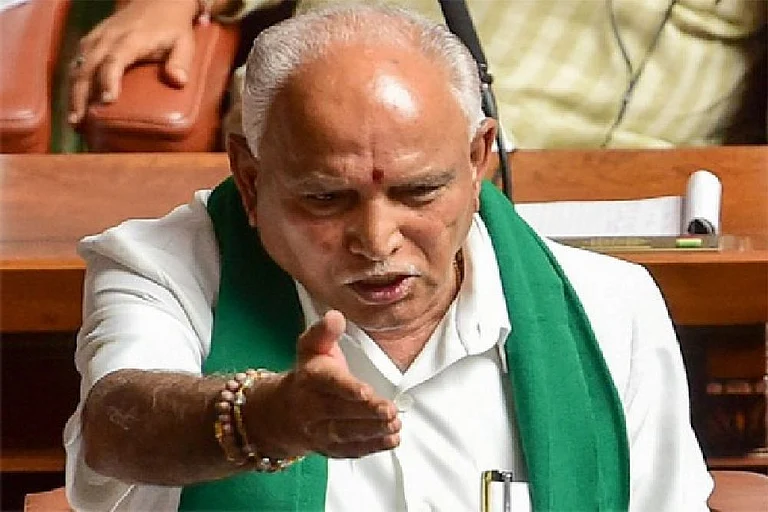
Siddaramaiah said the survey was necessary as there were no accurate figures on the population of backward communities.
He recalled that he had ordered a survey when he became chief minister in 2013, but the report was not completed during his tenure. He alleged that the subsequent government did not accept the report.
"We have been saying, 'Equal share for everyone'," he said.
Siddaramaiah said the struggle against the caste system must continue until equality and equal opportunities were achieved.
Advertisement
"As long as the caste system exists in society, as long as an equal society is not created and as long as equal opportunities are not provided to everyone, the struggle must continue," he said.
The former chief minister said the caste system had historically deprived large sections of society of education and opportunities.
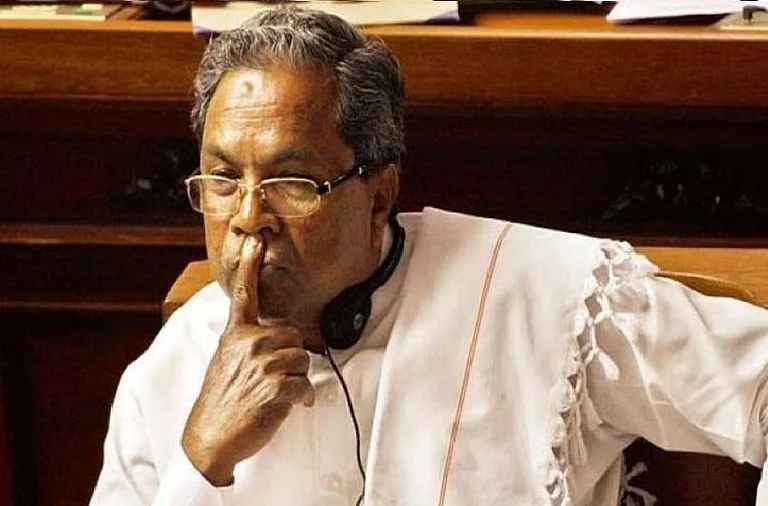
Siddaramaiah said he had personally experienced the absence of reservation and claimed that reservation in education and employment had helped expand opportunities for disadvantaged communities.
Highlighting measures taken during his tenure, he said the Backward Classes Department's budget had increased from Rs 5 crore when it was established to Rs 4,461 crore in 2026-27.
There were now 2,712 hostels housing 2.58 lakh backward-community students, he said.
Siddaramaiah also recalled starting Morarji Desai residential schools and said he had established 542 hostels and residential schools between 2003 and 2018. He said the Vidyashree programme provided Rs 1,500 per month to students who could not secure hostel accommodation.
Advertisement
The former chief minister said the federation represented 752 of the State's 806 backward communities and argued that other categories, including 2B, 3A and 3B, should also be brought into the fold.
He also criticised the electoral system, saying it had become "very expensive" and needs to be reformed.
Published At: