Advertisement
X

India-Bangladesh Ties Explained: Why Dhaka Is One Of New Delhi's Most Important Neighbours

India is recalibrating its crucial strategic, economic, and security ties with Bangladesh following a major political shift in Dhaka and rising Chinese influence.

India-Bangladesh Ties Explained: Why Dhaka Is One Of New Delhi's Most Important Neighbours AP
Summary

Bangladesh's 4,096-km border makes it vital for India's trade, regional connectivity, and northeastern security

The fall of Sheikh Hasina and the rise of Tarique Rahman's government have prompted India to recalibrate its diplomatic ties

Dhaka's shifting foreign policy toward Beijing has pushed New Delhi to focus heavily on protecting its regional security and infrastructure projects

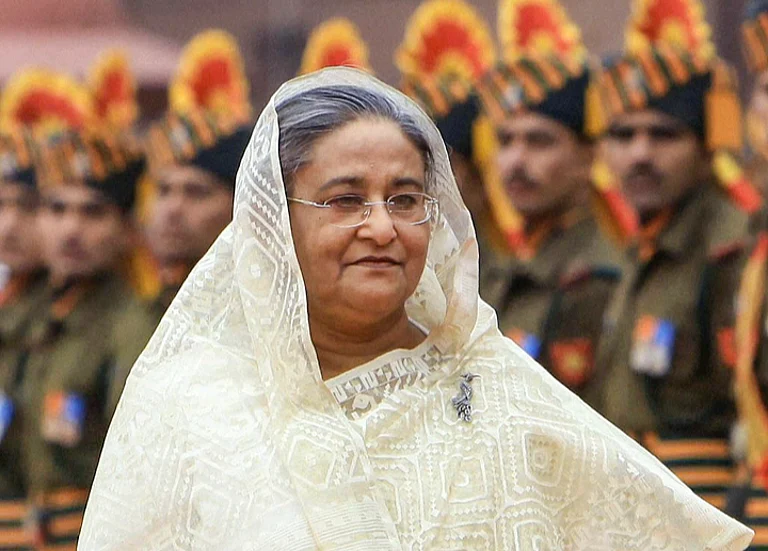
India's relationship with Bangladesh has long been regarded as one of the cornerstones of New Delhi's Neighbourhood First policy. Sharing a 4,096-km border—the longest India has with any country—Bangladesh is central to India's security, trade, regional connectivity and strategic interests in South Asia.

However, the relationship is currently facing one of its biggest tests in recent years. The political upheaval in Bangladesh following the student-led uprising that led to the fall of former Prime Minister Sheikh Hasina has introduced fresh uncertainties into bilateral ties. Hasina has since been staying in New Delhi, while India's engagement with the new political leadership in Dhaka is still evolving amid growing geopolitical competition in the region.

Why Bangladesh Is Strategically Important For India

Bangladesh occupies a critical geographical position between India's northeastern states and the Bay of Bengal. Five Indian states—West Bengal, Assam, Meghalaya, Tripura and Mizoram—share a border with Bangladesh, making stable relations essential for security, trade and regional development.

For India, Bangladesh is also indispensable to its Act East Policy, as transit routes through Bangladeshi territory substantially reduce travel time and logistics costs between mainland India and the Northeast.

Security cooperation has been another pillar of the partnership. Over the past decade, Dhaka acted against several insurgent groups operating along the border, significantly improving the security situation in India's northeastern region. Intelligence sharing and coordinated border management have further strengthened mutual trust.

Trade, Connectivity And Border Security

Economic ties between the two countries have expanded steadily over the years. Bangladesh is among India's largest trading partners in South Asia, with bilateral trade worth several billion dollars annually. India exports petroleum products, cotton, machinery, food items and vehicles, while importing ready-made garments, jute products, leather goods and agricultural commodities from Bangladesh.

Connectivity has improved through railway links, inland waterways, bus services and coastal shipping agreements. Energy cooperation has also emerged as a major pillar, with India exporting electricity to Bangladesh through cross-border transmission lines.

Advertisement

Border security remains an area of close cooperation but also a source of friction. The two countries regularly coordinate efforts against illegal migration, human trafficking, narcotics smuggling and cattle smuggling. At the same time, concerns over illegal infiltrators residing in India continue to feature prominently in New Delhi's security calculations, while occasional border incidents involving security forces on both sides have required diplomatic intervention.

The Impact Of Political Changes In Dhaka

The political transition in Bangladesh has altered the dynamics of India-Bangladesh relations.

Following the student-led protests that brought an end to Sheikh Hasina's government, Bangladesh witnessed a change in political leadership. Prime Minister Tarique Rahman, who assumed office in February this year, has sought to redefine Dhaka's foreign policy priorities.

His first official overseas visit was to China rather than India, a move closely watched in New Delhi as Beijing continues to expand its economic and strategic footprint in South Asia. The development has fuelled debate over whether Bangladesh may seek a more balanced foreign policy between India and China.

Advertisement

India, meanwhile, has continued to engage the new government while carefully monitoring developments that could affect security cooperation, connectivity projects and regional stability.

Why New Delhi Is Recalibrating Its Bangladesh Policy

Rather than fundamentally altering its approach, India is recalibrating its diplomatic engagement to adapt to Bangladesh's changing political landscape.

The changing political environment has prompted India to pay greater attention to public opinion in Bangladesh, the evolving domestic political situation and the growing influence of external powers, particularly China.

What Dinesh Trivedi's Appointment Means Going Forward

The appointment of Dinesh Trivedi as India's High Commissioner to Bangladesh reflects New Delhi's determination to maintain sustained diplomatic engagement during a sensitive phase in bilateral relations.

His immediate priorities are expected to include strengthening political dialogue with the new government, ensuring continuity in ongoing connectivity and energy projects, addressing security concerns including cross-border crime and illegal infiltration, and preserving the strategic gains achieved over the past decade.

Advertisement

As Bangladesh remains one of India's most important neighbours, how both countries navigate the current political transition will shape not only their bilateral relationship but also the wider strategic balance in South Asia. The coming months are likely to determine whether the two neighbours can preserve the momentum of cooperation despite the turbulence triggered by Bangladesh's recent political changes.

Published At:
US