Keir Starmer has resigned, triggering a Labour leadership contest for the next UK Prime Minister.
Andy Burnham is among the early names being discussed alongside other senior Labour figures.
The next Prime Minister will be chosen through Labour’s internal leadership process, not a general election.
Who Will Be Britain’s Next Prime Minister After Keir Starmer’s Resignation?
Labour leadership contest begins as Keir Starmer steps down, with Andy Burnham and other senior figures emerging as early names in the race for Downing Street.

Summary
Keir Starmer has resigned as Prime Minister of the United Kingdom, triggering a Labour Party leadership contest that will decide who next forms a government in Downing Street. His resignation follows sustained political pressure and weakening support within sections of Labour’s parliamentary party, according to Reuters reporting on the development.
Starmer will remain in a caretaker capacity until a new leader is chosen. Attention in Westminster has now shifted to the succession race, with potential candidates beginning to assess support among Labour MPs ahead of the formal contest.
How The Labour Leadership Contest Works
The Labour leadership contest begins in Parliament. Any candidate must secure nominations from at least 20 per cent of Labour MPs in the House of Commons to enter the race. This threshold determines eligibility for the ballot.
Once nominations close, the Labour National Executive Committee (NEC) sets the timetable and rules for the contest. The process then moves through successive ballots of MPs to reduce the field, followed by a vote of party members and affiliated organisations, including trade unions.
The structure divides decision-making between MPs and members. The timeline typically runs over several weeks depending on how quickly nominations consolidate.

Why Andy Burnham Is The Favourite
Andy Burnham, Mayor of Greater Manchester and former Labour MP, has been named in succession discussions following Starmer’s resignation. Reuters reporting has included his name among individuals being considered within Labour as MPs assess potential candidates.
Burnham holds a regional executive role in Greater Manchester, where his responsibilities include transport coordination and local governance functions. His political profile is based on this regional position and his previous experience as a cabinet minister.
Within Labour, some MPs are considering him in the context of leadership options. He has not entered the contest.
Any candidacy would require him to secure nominations from at least 20 per cent of Labour MPs before progressing further.

Advertisement
Other Possible Contenders
Several senior Labour figures are expected to be part of internal discussions as the contest develops.
Wes Streeting, the Health Secretary, holds a cabinet position in the current government and has support among MPs aligned with policy reform priorities.
Angela Rayner holds senior organisational responsibility within Labour and is supported by sections of the party’s trade union base and membership network.
Yvette Cooper is a senior cabinet minister with previous experience in policing and home affairs roles.
Other ministers may also seek nominations depending on levels of parliamentary support.
Can Someone Become PM Without A General Election?
Yes. In the UK system, the prime minister is not directly elected by voters. The leader of the party with a majority in the House of Commons becomes prime minister.
If Labour maintains its majority, the elected party leader becomes prime minister once selected.
A general election is not required for this change in leadership. A new prime minister may choose to call an election, but that is a political decision, not a constitutional requirement.
Advertisement
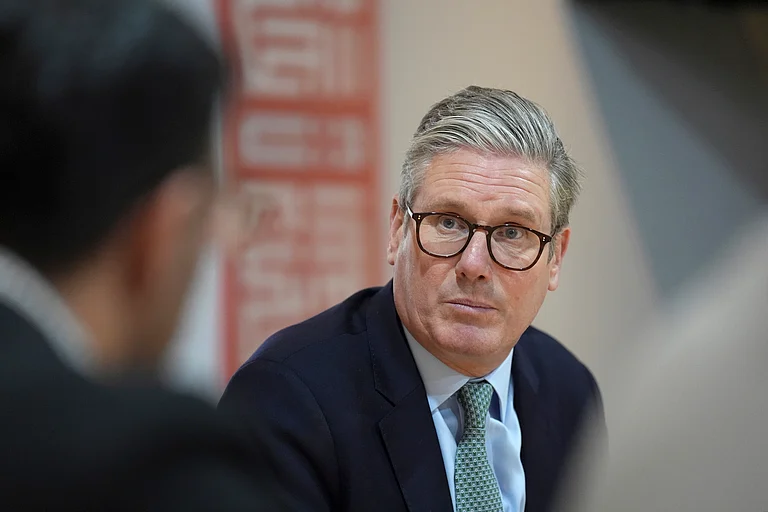
When Will Britain Get A New Leader?
The timing depends on how quickly Labour MPs reach agreement on candidates.
If one candidate secures sufficient nominations early, the process can conclude within weeks.
If multiple candidates reach the nomination threshold, the contest proceeds to a wider membership vote, extending the timeline.
Starmer remains in office in a caretaker capacity while the leadership contest determines the next prime minister.
Published At: