Netanyahu risks US backlash if Israel continues military operations against Hezbollah despite ceasefire pressure.
The US-Iran peace framework links regional de-escalation in Lebanon directly to broader negotiations with Iran.
Rising domestic support for the war in Israel clashes with diplomatic pressure from Washington ahead of elections.
What Happens If Netanyahu Defies US Pressure On The Hezbollah War?
Israel’s war in Lebanon risks clashing with US demands tied to the Iran peace deal, putting Benjamin Netanyahu under political and diplomatic pressure ahead of elections.
Summary
Israel’s continued military campaign against Hezbollah is moving toward a direct policy clash with the United States, as Washington’s Iran-linked peace framework calls for an end to hostilities in Lebanon. Any move by Prime Minister Benjamin Netanyahu to defy US pressure risks escalating diplomatic tensions with Israel’s key ally while deepening an already volatile war on the Lebanon front.
The US-Iran peace deal under negotiation goes beyond bilateral relations and includes provisions for a ceasefire between Israel and Hezbollah, alongside respect for Lebanon’s territorial sovereignty. This places Netanyahu in a political and strategic dilemma: continue a war that remains popular domestically and central to his security doctrine, or align with US demands that could constrain Israeli military operations. With Israel already entrenched in southern and eastern Lebanon and elections due by October, defiance could strain US-Israel relations, complicate Iran negotiations, and increase the risk of wider regional escalation.
US Pressure On Israel Over Hezbollah War And Iran Peace Deal
The peace deal between the US and Iran links multiple regional conflicts, including Israel’s war in Lebanon. It calls for the cessation of hostilities between Israel and Hezbollah and respect for Lebanese territorial integrity and sovereignty.
This directly conflicts with Israel’s military posture. Israeli Defence Minister Israel Katz has stated, “Israeli forces will remain in the security zones in Lebanon, Syria, and Gaza without any time limit” and these zones “would be cleared of local residents and all terror infrastructure including the houses”.
Tensions escalated after a brief ceasefire understanding on June 19, followed by renewed Israeli strikes in Lebanon the next day, while Iran again closed the Strait of Hormuz after the bombing.
Netanyahu Election Pressure And Israel Military Operation In Lebanon
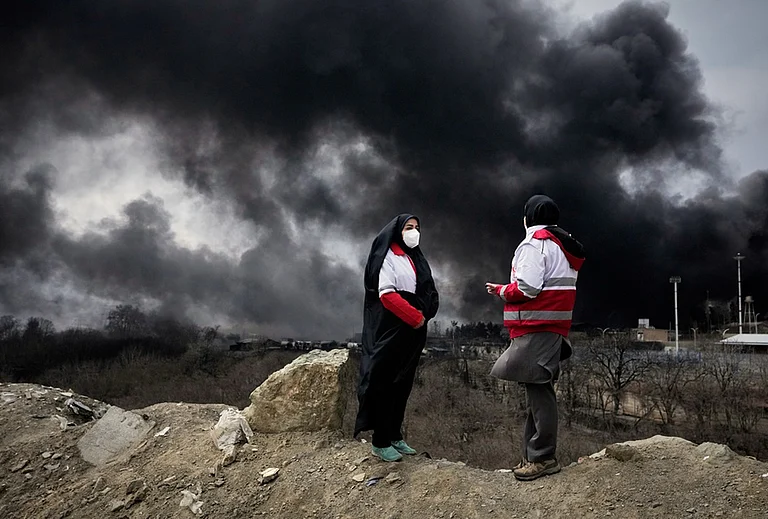
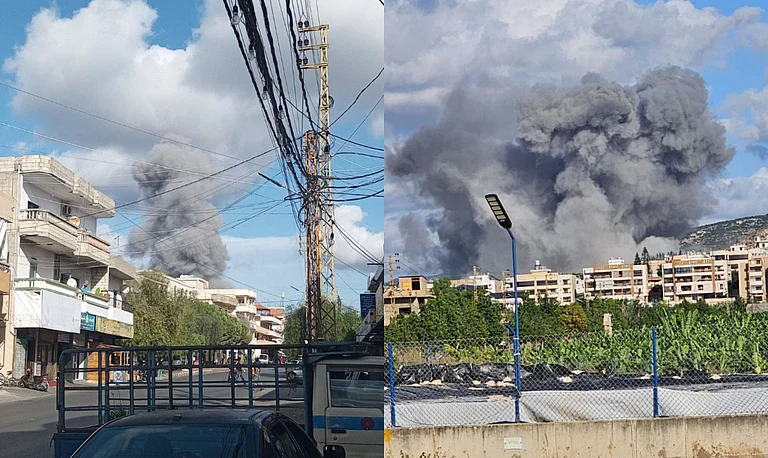
Since the war began in March 2026, Israeli Defence Forces have advanced into southern and eastern Lebanon, pushing Hezbollah from key strongholds and striking targets in southern Beirut. Israel has taken control of strategic areas including Beaufort Castle, expanding its presence into parts of the Bekaa Valley.
Advertisement
The conflict has killed more than 4,000 people and displaced around 1 million Lebanese civilians. Within occupied areas, Israeli forces have issued “don’t come back” orders, forcing further displacement.
Domestically, the war remains widely supported. An April 2026 poll showed 80% of Israelis favour continuing the campaign against Hezbollah even if it strains relations with the United States. This political backing is crucial for Netanyahu as elections approach and he faces a corruption trial as well as criticism over the October 7 intelligence failures.
Opposition leader Yair Golan said: "Netanyahu lied. He promised a historic victory and security for generations, and in practice, we got one of the most severe strategic failures Israel has ever known."
US-Israel Tension Over Iran Negotiations And Lebanon War
US President Donald Trump is also facing domestic political pressure ahead of mid-term elections and is seeking to stabilise negotiations with Iran while reducing regional conflict. He has criticised Israel’s actions in Lebanon, stating: “I’m not happy with the way Israel has handled themselves with Lebanon and with Hezbollah. It just goes on forever and it throws a negative light on the big deal, and that’s the deal with Iran.”
Advertisement
Israeli officials have pushed back. National Security Minister Ben Gvir said Israel cannot accept “the strengthening, or even the existence, of a terrorist organisation on its borders.” US Vice President JD Vance responded that Israeli critics of the US-Iran deal “need to wake up and smell the reality of the situation that country is in”.
The imbalance in the relationship is reinforced by US support, including USD 3.8 billion annually in assistance to Israel and continued diplomatic backing at the United Nations Security Council. That support is also significant as Israel faces International Court of Justice and International Criminal Court investigations linked to its wars in Gaza and Lebanon.
Regional Escalation Risks If Israel Defies US Pressure
The situation in Lebanon remains highly volatile, with continued Israeli strikes despite ceasefire efforts and Iran responding indirectly through strategic pressure, including closure of the Strait of Hormuz.
Hezbollah remains active despite battlefield losses, while Israel maintains a growing military footprint in southern Lebanon. At the same time, US negotiations with Iran are increasingly tied to Israeli withdrawal from Lebanese territory and an end to hostilities.
Advertisement
With Israeli elections approaching, US diplomacy focused on an Iran agreement, and Lebanon remaining unstable, any defiance by Netanyahu risks deepening the US-Israel rift, complicating negotiations with Iran, and increasing the likelihood of wider regional escalation.
(With inputs from PTI)
Published At: