US-Iran memorandum talks continue amid Strait of Hormuz dispute
Nuclear stockpiles and sanctions relief remain key sticking points
Hormuz blockade disrupted 20% of global oil and gas supplies
US–Iran Peace Deal: What's on Table, What's Blocking It & Where Things Stand
Tehran is demanding their immediate release as a precondition, with Washington's position being the reverse — assets will only be unfrozen once the strait has fully reopened
Summary
The United States and Iran are edging towards a formal memorandum of understanding that would convert their existing ceasefire into a longer-term settlement, though significant gaps remain on the Strait of Hormuz, nuclear stockpiles, frozen assets and sanctions.
US Secretary of State Marco Rubio, speaking during his visit to India, described the situation as a "work in progress," saying there was "a pretty solid thing on the table" regarding the strait's reopening and Iran entering into a real, time-limited negotiation on nuclear matters.
A senior US administration official told CNN that the framework would give both parties 60 days to reach final deal points, and that the structure was built on a simple principle — no sanctions relief or asset unfreezing until Iran demonstrated compliance, proportionate to the reopening of the strait.
President Donald Trump, meanwhile, appeared to walk back some of his earlier optimism. After declaring over the weekend that a deal was "largely negotiated," he said on Sunday that the US would not rush into an agreement, and that any deal he reached would be "the exact opposite" of the 2015 Obama-era nuclear accord.
Why a Deal Matters Now
On February 28, the US and Israel launched surprise airstrikes on Iran, targeting military and government sites and assassinating Supreme Leader Ali Khamenei along with other senior Iranian officials. Iran responded by closing the Strait of Hormuz, triggering an acute global energy crisis. The blockade of the vital waterway has choked off roughly 20% of the world's oil and gas supplies, and the US Navy began blocking exports of Iranian crude oil — a situation that has pushed up energy prices and raised concerns of a broader economic downturn.
A Pakistan-brokered conditional ceasefire came into effect on April 8, and has since been extended, with talks between Washington and Tehran now being mediated by Islamabad. Issues under discussion include freedom of navigation through the strait, Iran's nuclear and ballistic programme, reconstruction, sanctions, and a long-term peace agreement. The urgency is felt at home as well as abroad.
Advertisement
The Issues Still to Resolve
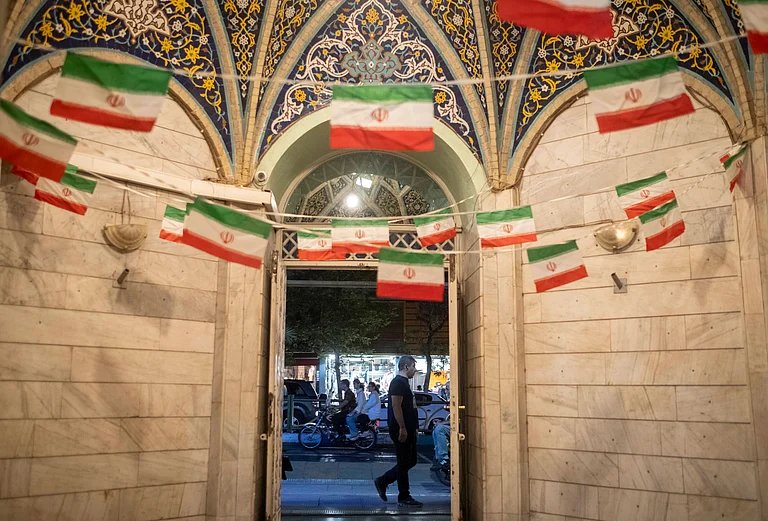
The Hormuz remains the most immediate flashpoint. Trump posted on Saturday that the waterway would reopen under the memorandum, but Iranian state media reported that the strait would stay under Iranian supervision, with shipping returning only gradually to pre-war levels over 30 days.
Iranian Foreign Ministry spokesman Esmail Baghaei responded,"The Strait of Hormuz has nothing to do with America." Tehran also insists the US blockade on its ports be lifted simultaneously — a condition Washington has so far rejected, with Trump saying the blockade would remain until a final, signed accord is in place.
On nuclear matters, the two sides remain far apart. The US wants Iran to commit to relinquishing its stockpile of more than 400 kilograms of highly enriched uranium and to pause new enrichment. Iran refused to discuss the nuclear issue at this stage, saying those talks can only begin after a war-ending memorandum is signed. Fars news agency reported that Iran made no commitments regarding its nuclear stockpiles, equipment or facilities under the current draft.
Advertisement
Iran's frozen overseas assets present another deadlock. Tehran is demanding their immediate release as a precondition, with Washington's position being the reverse — assets will only be unfrozen once the strait has fully reopened. Iran estimates that lifting sanctions on oil sales alone could generate nearly $10 billion in revenue over a 60-day period.
The question of Lebanon also looms. Draft wording reportedly refers to an end to the war "on all fronts, including Lebanon," but Trump told Israeli Prime Minister Benjamin Netanyahu that Israel retains freedom of action against threats on all fronts — a commitment Netanyahu's office confirmed publicly on Sunday.
Iranian state media acknowledged on Sunday that differences "over one or two clauses" of the memorandum still persisted, leaving the agreement's finalisation uncertain despite the flurry of diplomatic activity on both sides.
Where Things Stand
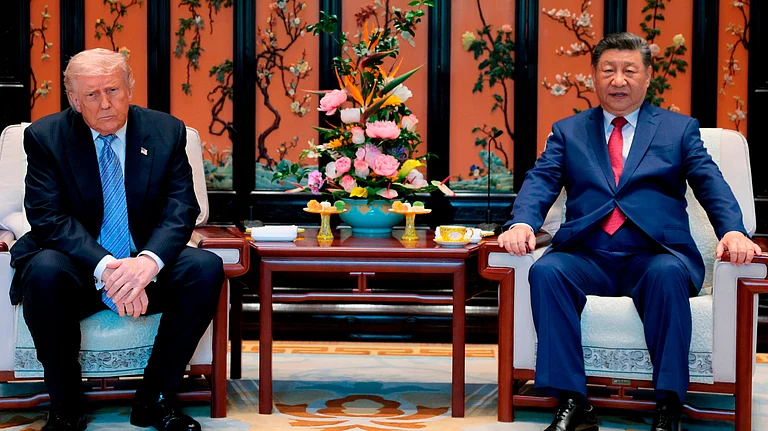
Pakistan's Foreign Minister Ishaq Dar noted that the talks offered "grounds for optimism that a positive and durable outcome is within reach." Iran's Foreign Ministry spokesman said earlier on that the two sides were in the "final stage" of a memorandum of understanding and that positions were "becoming closer."
Advertisement
Yet the gap between the two sides' public statements remains conspicuous. Iran had signalled "narrowing differences" following Munir's latest visit to Tehran, and one regional official with direct knowledge of the mediation said the US and Iran were closing in on a deal. But Washington boarded an Iranian-flagged oil tanker suspected of breaching the blockade on the same day Trump was speaking of a deal being "largely negotiated" — a reminder that the military and diplomatic tracks are running simultaneously, not in sequence.
It is expected that after any deal, a period of one to two months of negotiations on Iran's nuclear programme will follow. Israel has made clear in past negotiations that it opposed any deal offering concessions to Tehran — a position that complicates Washington's room for manoeuvre, given the commitments Trump has already made to Netanyahu.
Published At: