The US allows unlimited independent political spending through super PACs, while direct candidate donations are capped.
India and the UK regulate campaign spending, while Canada restricts political donors and contributions.
Germany uses public funding to reduce parties’ reliance on private donations.
Who Pays For Elections? How The US, India And Other Democracies Regulate Campaign Money
From America’s super PACs to India’s candidate spending limits and Germany’s public funding model, this explainer compares how five democracies regulate election money, political donations and campaign expenditure

Summary
In modern elections, money can buy more than television advertisements. It can pay for armies of canvassers, targeted social media campaigns and the machinery that keeps a candidate visible long after the news cycle has moved on.
Elon Musk’s reported $445 million in political contributions to Republican-aligned groups ahead of the November 2026 US midterm elections offers a striking illustration of how private wealth can shape a campaign. But the rules governing that money vary sharply across democracies.
While the United States permits enormous independent political spending, India caps individual candidates’ election expenditure, Britain regulates campaign spending by parties and candidates, Canada tightly restricts who can donate, and Germany uses public funding to support political parties.
Notably, each system shows a different answer to the same question: how can elections be funded without allowing money to overwhelm political competition?
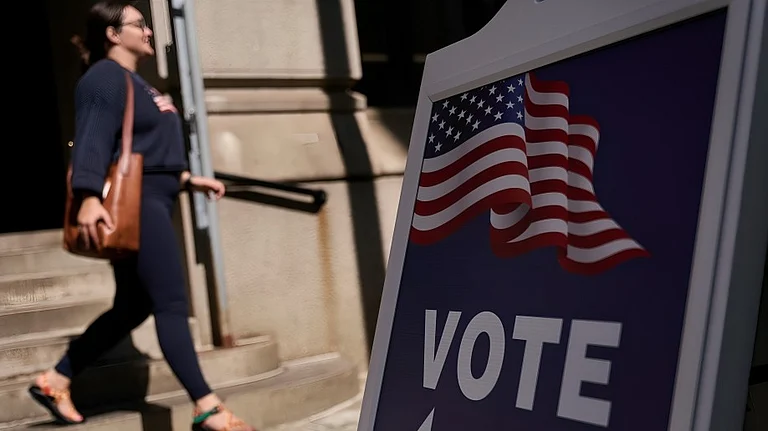
America: A Divide Between Donations And Independent Spending
US federal law limits direct contributions to candidates. For the 2025–26 election cycle, an individual can donate up to $3,500 per election to a federal candidate, with separate limits applying to political parties and other committees.
Super PACs operate under a different rule: they can accept unlimited contributions from individuals, corporations and labour organisations to finance independent expenditures supporting or opposing candidates. They cannot legally coordinate that spending with the candidates they seek to help.
The distinction was shaped by two landmark court decisions.
In Citizens United v Federal Election Commission (2010), the US Supreme Court held that the government could not prohibit corporations and unions from making independent political expenditures. The ruling did not remove limits on direct donations to candidates.
A subsequent federal appeals court decision in SpeechNow.org v FEC helped establish the legal framework for super PACs, which can raise unlimited sums for independent campaigning.
Advertisement
Together, these decisions opened a channel through which wealthy donors and businesses could finance vast political advertising operations without writing equally large cheques directly to candidates.
Musk’s reported contributions show the scale this model can permit. More than $445 million has gone to Republican-aligned political groups during the current election cycle, according to recent reporting based on campaign-finance filings.
Much of the money has flowed through super PACs and other groups rather than directly into candidates’ campaign accounts. The American model therefore draws a legal line between giving money to a candidate and spending independently to influence voters, even as critics question how meaningful that separation is in practice.
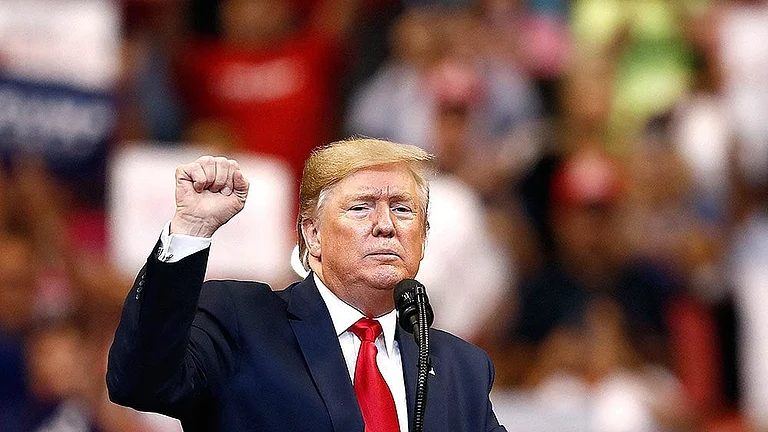
India And Britain: Spending Limits, Disclosure And Court Intervention
India takes a different approach to candidates’ election expenditure. For Lok Sabha elections, the spending ceiling is Rs 95 lakh per candidate in most states, and Rs 75 lakh in Arunachal Pradesh, Goa and Sikkim. Assembly-election limits vary by state.
Advertisement
These ceilings cover candidates’ reported election expenses; they do not amount to a single nationwide cap on all spending by political parties and other actors. The distinction matters because a candidate’s declared expenditure is only one part of the money moving through a modern campaign.
The question of who finances political parties came under renewed scrutiny in 2024, when the Supreme Court struck down the electoral bonds scheme. The court held that the scheme’s non-disclosure of political donors violated voters’ right to information and found unconstitutional provisions that permitted unlimited corporate contributions to parties.
Electoral bonds had allowed eligible donors to purchase bonds through authorised banks and give them to political parties, while concealing donor identities from the public. The ruling required disclosure of bond-related information, but it did not eliminate political donations or resolve every question about transparency in party funding.
Political parties continue to submit contribution reports to the Election Commission, including details of donations that cross statutory reporting thresholds.
Advertisement
Britain focuses on regulated campaign periods and spending limits for both candidates and political parties. Candidate limits depend on the constituency and the number of eligible voters, while party limits depend partly on how many seats a party contests.
Spending returns must be submitted after elections, and the Electoral Commission publishes information to support scrutiny of campaign finances.
The system is designed to restrict how much parties and candidates can spend during the regulated period, rather than relying solely on limits on individual donations.

Canada And Germany: Restricting Donors Or Sharing The Cost
Canada places tight restrictions on both the source and size of political contributions. Only Canadian citizens and permanent residents may donate to federal political parties, candidates and other regulated political entities.
For 2026, the annual limit for contributions to a registered federal party is C$1,775, with separate limits governing contributions to candidates and other party organisations. Companies and trade unions cannot contribute to federal political entities.
Advertisement
The approach is intended to prevent corporate or foreign money from directly financing federal electoral competition and to limit the financial influence of any individual donor.
Germany uses a different model: public money helps finance political parties alongside private contributions and membership fees. State funding is partly linked to votes won in elections and the private funds a party raises, subject to statutory eligibility criteria and limits.
Public support cannot exceed the party’s own eligible income, and an overall ceiling applies to state funding. The system seeks to recognise parties’ role in democratic life while preventing public money from becoming their sole source of income.
There is no single formula that eliminates the influence of money in politics. The United States places substantial weight on political speech and independent expenditure; India combines candidate spending ceilings with disclosure rules; Britain regulates spending during election periods; Canada limits donor eligibility and contributions; and Germany supplements private funding with public support.
The comparison reveals a common tension: campaigns need money to reach voters, but the rules determine who can supply it, how much can be spent and how transparently that influence is exercised.
The real test is not simply how much money enters an election, but whether voters can see where it comes from and whether competing voices have a fair opportunity to be heard.
Published At: