US-Iran peace deal could ease India’s energy and inflation pressures
Strait of Hormuz disruption affected 41% of India’s crude imports
Chabahar port and INSTC trade corridor may regain strategic importance
US-Iran Peace Deal Likely On Sunday. What Will Change For India?
The biggest long-term change for India from a peace settlement would be the potential revival of Chabahar port in Iran's Sistan-Balochistan province

Summary
For the past three and a half months, India has been quietly absorbing the cost of a war it had no hand in starting. Since US-Israeli strikes on Iran in February 28 triggered the closure of the Strait of Hormuz, India's crude oil basket nearly doubled, the rupee hit record lows, cooking gas prices jumped, and the government scrambled to keep fuel flowing to 1.4 billion people.
So far, US and Iranian negotiators — with Pakistan mediating — reached agreement on the final text of a draft peace deal on June 12, following months of direct and indirect talks addressing active hostilities, sanctions relief, and maritime access through the Strait of Hormuz. Iranian officials have described some reports as preliminary, and remaining hurdles around verification and factional approvals in Tehran mean nothing is fully sealed yet.
Relief India Desperately Needs
The numbers from the past three months tell India’s cruel story. The Indian crude oil basket nearly doubled in a single month, from $69 per barrel in February to $126 in March, peaking at $157. Qatar declared force majeure on LNG exports after missile strikes damaged its Ras Laffan facility, and global urea prices jumped 50%, threatening the spring planting season.
India's exposure was structural. The Strait of Hormuz accounted for approximately 41% of India's crude oil imports, 55% of its LNG imports, and 88% of its LPG imports during the first nine months of FY2026. India imports 88% of its crude oil, making it among the most exposed large economies globally.
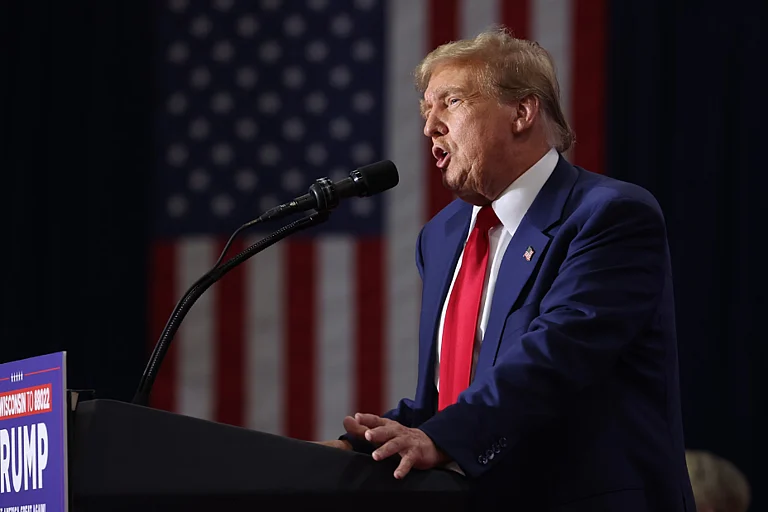
A genuine peace deal that reopens the Strait would likely to bring oil prices down. The market already demonstrated this in miniature — when a two-week West Asia ceasefire was agreed in April, the rupee strengthened to around 92.4 per dollar, oil prices plunged, and Asian currencies broadly rallied. That effect reversed when the ceasefire showed cracks.
Inflation is currently expected to stay elevated at around 4.9% this fiscal year, driven by higher food and energy costs and exchange-rate pass-through. A sustained fall in crude prices would cut directly into that number. For ordinary Indian households that saw cooking gas prices jump ₹60 per cylinder during the conflict, the relief would be felt immediately.
Advertisement
Chabahar — A Strategic Asset
The biggest long-term change for India from a peace settlement would be the potential revival of Chabahar port in Iran's Sistan-Balochistan province. India signed a 10-year contract with Iran in May 2024 to equip and operate the Shahid Beheshti Terminal at Chabahar Port, committing $120 million in equipment procurement and offering an additional $250 million credit line for port-related infrastructure. Located on Iran's coast along the Gulf of Oman, the deep-water port was designed as India's gateway to Afghanistan and Central Asia, bypassing Pakistan entirely.
The war termporarily killed that ambition. The US sanctions waiver for the Chabahar port ended on April 26. India got the Chabahar exemption extended after reportedly promising to wind down operations there. India also paid $120 million in promised investments in February this year, raising criticism from opposition parties that accused the Modi government of buckling under US pressure to abandon a vital strategic project.
Advertisement
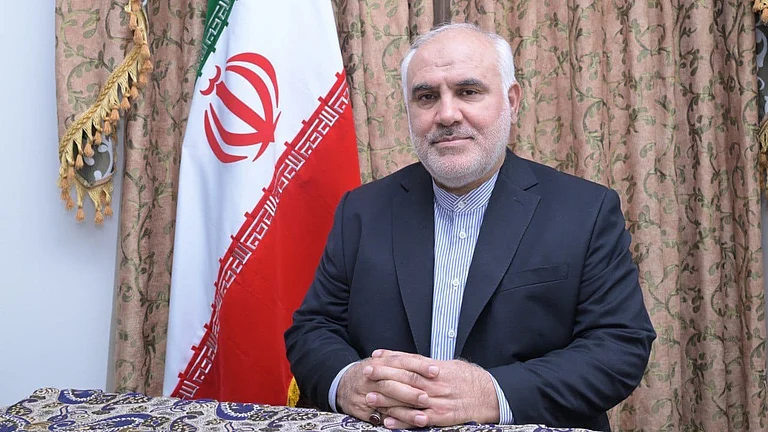
By April, reports confirmed India was exploring a temporary transfer of its stake in the Chabahar Free Zone entity to an Iranian partner.
The port connects India to the International North-South Transport Corridor — a multi-modal route linking India through Iran to Russia, Central Asia, and eventually Europe. Chabahar will boost India's access to Iran, the key gateway to the INSTC that has sea, rail, and road routes between India, Iran, Russia, Central Asia and Europe. That corridor only makes economic sense if Indian companies can operate in Iran without the constant threat of US secondary sanctions.
Geopolitics Still A Harder Equation
Peace between the US and Iran creates opportunities for India but not without complications. India's handling of the conflict — staying out of the US-led naval coalition, negotiating bilaterally with Iran for safe passage, deploying its own naval escorts under Operation Urja Suraksha — reflected its broader instinct to preserve ties with Tehran without antagonising Washington.
Advertisement
A peace settlement would normalise India's ability to engage Iran without those constraints. Bilateral trade, which had shrunk significantly under sanctions pressure, could recover. The INSTC corridor, connecting Indian ports to Russian and Central Asian markets, would become commercially viable in a way that it has not been for years.
Conflicting statements between the US and Iran on how to characterise the details of the emerging deal suggest sticking points remain, and Al Jazeera reported that Trump had claimed nearly 40 times since the war began that a deal was imminent. So the optimism needs to be qualified.
Published At: