The US has proposed new Section 301 tariffs on 14 economies, including India, China and the EU
India and other trade partners have challenged Washington's excess manufacturing capacity findings
The proposed tariffs could reach 25% on Indian goods, falling to 17% if a bilateral trade agreement is reached
US Tariff Battle Widens As 14 Economies Contest Washington's Manufacturing Claims
India, China, the European Union and several Asian economies have disputed Washington's findings of excess manufacturing capacity, while seeking to protect existing trade agreements and negotiate over the proposed duties.

Summary
The United States' latest tariff proposals have drawn objections from trading partners across Asia and Europe, with India, Singapore, Japan, China and the European Union challenging Washington's assessment of their manufacturing policies and seeking further negotiations.
On Wednesday, US Trade Representative Jamieson Greer determined that the industrial policies and practices of 14 economies, including India, China, the EU, Japan, South Korea, Singapore and Vietnam, relating to structural excess manufacturing capacity were unreasonable and restricted US commerce. The USTR proposed additional tariffs under Section 301 of the Trade Act of 1974, with rates varying across economies and existing trade arrangements.
The measures remain proposals and are subject to public consultation and hearings, with written comments due by January 5, 2027, and hearings scheduled to begin on January 25.
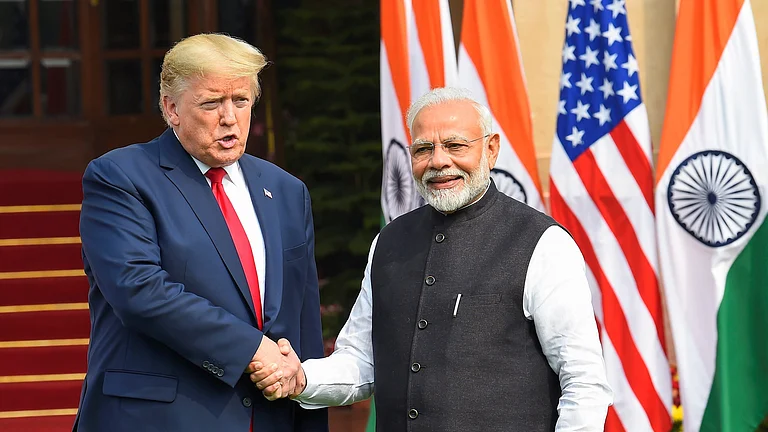
India And Asian Partners Contest Findings
India's Ministry of Commerce and Industry said it was examining the USTR notice and rejected the assessment of structural excess capacity, maintaining that the country had no such capacity in any sector. It added that trade-related concerns should be addressed through the ongoing India-US Bilateral Trade Agreement negotiations. The USTR has proposed tariffs of up to 25% on Indian goods, with a possible adjustment to 17% if the two countries reach a reciprocal trade agreement addressing its findings.
Singapore's Ministry of Trade and Industry expressed disappointment and disagreed with the findings, arguing that its trade surplus reflected an outward-oriented, market-driven economy rather than export subsidies. It said it would submit further comments and urge Washington to reconsider the proposed measures. Singapore faces a potential rate of 20%, which could fall to 10% under a reciprocal trade agreement or other negotiations.
Japan's Chief Cabinet Secretary Minoru Kihara described the proposed measures as regrettable and said Tokyo had conveyed its objections to Washington. He maintained that Japan had neither structural excess production capacity nor non-market policies. South Korea has similarly disputed the US assessment and said it would seek to preserve its existing bilateral tariff understanding.
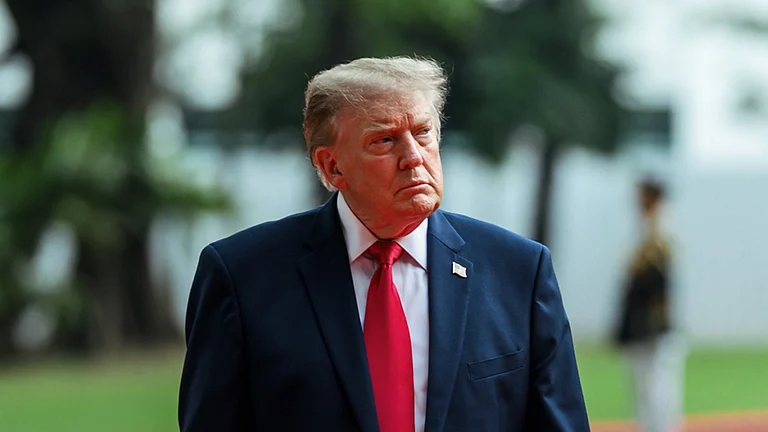
China And Europe Reject Washington's Assessment
China had criticised the rationale ahead of the formal USTR announcement on Wednesday. Foreign Ministry spokesperson Guo Jiakun said trade wars served no one's interests and argued that industrial overcapacity should not be used as a pretext for political manipulation. He called for disputes to be resolved through consultation based on equality and mutual respect.
Advertisement
The European Commission also strongly rejected the finding that Europe was a source of structural overcapacity. Deputy chief spokesperson Olof Gill said European industries were among those most exposed to excess capacity, particularly from China. The Commission said it expected Washington to honour the existing EU-US trade understanding, which provides for an all-inclusive tariff ceiling of 15% on European products.
Vietnam, facing a proposed 35% tariff that could fall to 20% under a reciprocal trade agreement, said it had introduced reforms addressing Washington's concerns and would participate in the next stages of the investigation.
Separately, Brazil expressed indignation over another proposed US tariff action involving Brazilian aircraft and sugar, keeping the possibility of World Trade Organisation action and reciprocal measures open. That dispute concerns a separate Section 301 investigation and is not part of the 14-economy excess-capacity findings.
Taken together, the responses expose the difficulty Washington faces in using tariffs to address what it describes as structural manufacturing overcapacity. Even established US partners are disputing the findings, while seeking to protect trade agreements and negotiated tariff ceilings. Most have so far favoured further consultations over immediate retaliation, reflecting the economic stakes of a wider trade confrontation. The next phase of the Section 301 process, including public submissions and hearings in January, will determine whether Washington can secure concessions from these economies or deepen trade tensions with partners and competitors alike.
Advertisement
Published At: