A mixed bag of political influences and polarising figures in the global north and the south sets the stage for another palette of crucial elections in 2026.
Bangladesh elections play a crucial role as India, China and Pakistan keep a close watch on movements in the country.
In Latin America, it remains to be seen if Colombia will keep to the left or give into the right-wing wave.
The Poll Calendar: Elections To Watch Out For In 2026
As protests gain centre-stage, voices find louder platforms and the youth trigger tremors capable enough of holding the people in power to account, Outlook looks at a few elections scheduled for 2026.

Summary
2025 saw a spate of elections which spoke of geopolitical trends that established and fell governments across the world. While the rise of the global right-wing has been in conversation, the mixed bag of political influences and polarising figures in the global north and the global south sets the stage for another palette of crucial elections for the upcoming year. As protests gain centre-stage, voices find louder platforms and the youth trigger tremors capable enough of holding the people in power to account, Outlook looks at a few elections in the coming year which the Council For Foreign Relations (CFR) have highlighted.
Bangladesh (February)
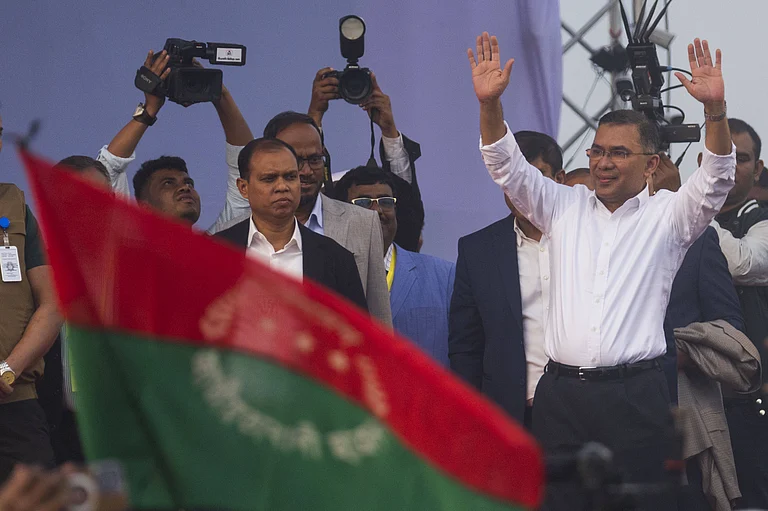
As tensions flare with the announcement of elections, and all stakeholders in news, Bangladesh's first general elections in February since the fall of the Sheikh-Hasina led Awami League government hold a crucial place in determining the fate of subcontinental politics in the coming years. With Nobel Peace Prize winner Muhammad Yunus appointed chief adviser to lead an interim government to restore law and order in the country following Hasina's ouster, Bangladesh's political terrain looks more fractured than ever. With the Jamat-e-Islami gaining momentum in pushing fundamentalism back into the system, the return of Bangladesh Nationalist Party's Tarique Rahman, the National Citizen Party trying to gain popular ground, and the Awami League banned, it remains to be seen what Bangladesh's political future holds as India, China and Pakistan keep a close watch on the movements in the country.
Hungary (April)
As CFR notes, "Hungary is the poster child of democratic backsliding. Since becoming prime minister for a second time fifteen years ago, Viktor Orbán and his Fidesz Party have consolidated control over the courts, regulatory bodies, and cultural institutions while rewriting electoral laws to entrench an illiberal political system." Fifteen years down the road, it remains to be seen if Hungary is desperate for change as autocracy creeps into the system that Fidesz had consciously tried to establish in the last few years. Péter Magyar's split from the Fidesz last year and joining the Tisza Party, and support from the collective opposition camp has shown promise in a wind of change.
Israel (October)
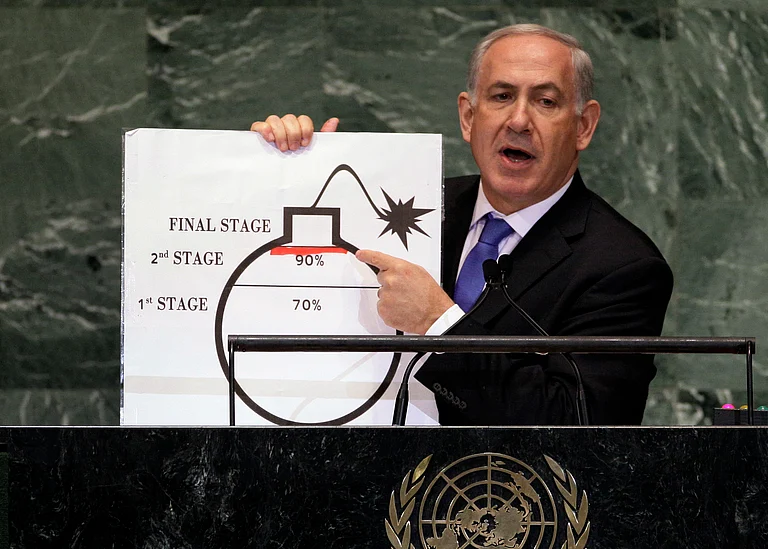
There has hardly been a more talked-about political face than Benjamin Netanyahu over the last couple of years. Influencing Israel's policies from the foremost position for almost two decades, if Netanyahu's influence has waned even a bit is a question for the coming year. Having been indicted in 2019 on charges of breach of trust, accepting bribes, and his eventual legislation to curb judicial oversight, massive protests followed with fingers pointed at his attempt to exempt himself from oversight. Hamas’s October 7, 2023 attack and the post-war situation in Gaza will play a huge rule in determining the fate of the country. As CFR notes, the Knesset must pass a new budget by March or elections are automatically triggered; otherwise, elections need to be held by the end of October. However, the lack of a unified opposition eases the path for Netanyahu to retain his seat.
Advertisement
Colombia (May)
With legislative elections scheduled for March 8 and the presidential contest set for May 31, Colombia's political terrain is an interesting landscape and a crucial piece in Latin America's politics. Senator Iván Cepeda of the ruling Historic Pact coalition had emerged as the front-runner in Colombia’s 2026 presidential race, according to a nationwide Invamer poll released earlier this month. Incumbent President Gustavo Petro, a former leftist guerilla, is barred from running for reelection. Sergio Fajardo, a centrist, and right-wing face Abelardo de la Espriella will contest against Cepeda. It remains to be seen if Colombia will keep to the left or give into the right-wing wave.
Ethiopia (June)
Ethiopia, the second most populous country in Africa, has witnessed ongoing fights in its two most populated regions which has displaced millions. In a statement before the Parliament, Prime Minister Abiy Ahmed had said "the government has the capacity and the will necessary to conduct these elections", emphasising that it will be the "best organised" in Ethiopia's history. The country recuperating from the impact of civil wars, and armed conflict in Oromia. In 2019, as CFR highlights the political contrast of him negotiating the end to Ethiopia’s long-standing border dispute with Eritrea, (earning him the Nobel Peace Prize) and launching a war against the Tigray People’s Liberation Front, his pattern of stifling dissent with anti-terrorism laws, and manipulating electoral rules in his favor has also been brought in the run-up for the upcoming elections which would be significant one for the continent.
Advertisement
Published At: