Russia is preparing to send its first diesel cargo to the United States, following an agreement announced by Donald Trump on October 9.
Analysts say the initial shipment is too small to significantly ease US diesel prices, which stood at $6.276 a gallon nationally on October 19, according to the US Energy Information Administration.
Damage to Russian refineries, domestic fuel demand, shipping costs and uncertainty over future deliveries could limit the deal’s impact before the November 3 midterms.
Will Russian Diesel Reach US Pumps Before Midterms? Why Price Relief Remains Uncertain
Russia’s first diesel shipment to the United States is unlikely to deliver substantial price relief before the November 3 midterm elections, as limited cargo volumes, Russian supply constraints and transport costs complicate the deal

Summary
The promise of cheaper fuel has arrived in Washington at a politically sensitive moment. With American diesel prices hovering above $6 a gallon, US President Donald Trump has turned to an unlikely supplier to ease the pressure: Russia, whose war in Ukraine prompted Washington to ban Russian energy imports in 2022. Moscow says it is preparing to send a tanker carrying diesel to the United States, but the delivery is unlikely to make a meaningful difference at the pump before Americans vote in the November 3 midterm elections. The shipment is part of a broader arrangement to increase fuel supplies to global markets, even as questions remain over its timing, scale and legal implications.
The stakes extend beyond the price displayed at a fuel station. Diesel powers the trucks that carry food and goods across the United States, the farm machinery that works the fields and equipment used in construction and industry. When diesel becomes expensive, the cost can travel through supply chains, adding pressure to businesses and, eventually, consumers. For the Trump administration, the Russian shipment offers a chance to demonstrate action on energy costs before a consequential election. For the fuel market, however, the question is less about the announcement than about how much additional diesel can actually reach buyers.
A Shipment Against A Much Larger Shortfall
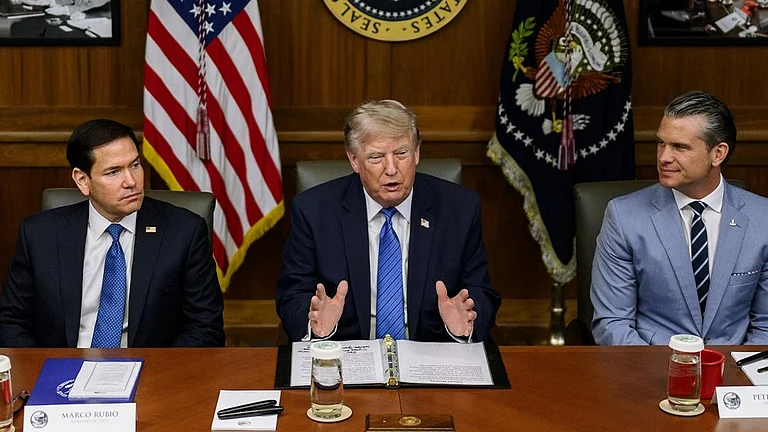
Trump announced on October 9 that Russia would supply more than 300,000 tonnes of diesel immediately, followed by another 500,000 tonnes in November and one million tonnes thereafter. The US Treasury Department subsequently issued a general licence authorising transactions related to the sale, delivery and importation of Russian-origin diesel until April 7, 2027. The first cargo is expected to begin its journey to an undisclosed US port on October 22, according to reporting by Al Jazeera. But a tanker leaving port is not the same as fuel arriving at a terminal, entering distribution networks and reaching consumers.
The numbers help explain why analysts are sceptical about immediate price relief. Reuters reported that the initial shipment, estimated at roughly 2.2 million barrels, would amount to about 73,000 barrels a day if spread over a month. That is a small addition to a market facing a much broader supply squeeze. Caspian Conran, lead economist at Baringa, estimated that the market would need an additional 850,000 barrels a day to produce an immediate easing of prices. Even if the Russian cargo arrives as planned, its contribution would be modest against that shortfall.
Advertisement
American prices reflect the pressure. The US Energy Information Administration said retail diesel averaged $6.29 a gallon in September, driven by higher crude oil prices and rising refining margins. Its October outlook forecast that retail distillate prices would remain above $6 a gallon during October before easing gradually. On October 19, the agency’s weekly series put the national average at $6.276 a gallon. The figures show a market under strain, but they also underline why one shipment is unlikely to reverse the trend on its own.

Russia Has Its Own Fuel Constraints
The arrangement faces a problem on the supply side, too. Russia may be willing to export more diesel, but its ability to do so is constrained by damage to its refining infrastructure and demand at home. Ukrainian drone attacks have disrupted Russian refineries, while Moscow has imposed restrictions on fuel exports amid domestic shortages. S&P Global Energy reported that Russian diesel exports had recently been running at around 100,000 to 150,000 barrels a day, and analysts warned that the volumes promised by Trump might not represent a substantial increase over existing exports.
Advertisement
The country’s domestic requirements further narrow the room for additional shipments. Reuters cited estimates that Russia produces about 1.4 million barrels of diesel a day and consumes roughly 1.2 million barrels domestically. Delivering the larger volumes pledged by Trump would require a significant increase in output, which may be difficult while refineries remain damaged. Analysts said a sustained improvement would depend partly on repairs to facilities and a reduction in attacks on energy infrastructure—changes that would take time rather than days.
Transport costs present another obstacle. Elevated freight rates and security risks in the Black Sea have made moving Russian fuel more expensive, while shipping companies may be wary of handling cargoes that could expose them to future sanctions-related complications. Reuters reported that some Russian diesel cargoes were returning to traditional destinations, including Turkey and Brazil, after the US eased restrictions. That suggests the agreement could redirect fuel already moving through international markets, rather than create a large new supply of diesel.
Advertisement
The distinction matters. If Russian diesel enters the global market, it could help buyers elsewhere find alternative supplies, potentially freeing up other cargoes for the United States. But the effect would depend on where the fuel goes, whether it adds to total exports and how traders respond. US Secretary of State Marco Rubio said the diesel would be made available to global markets, arguing that the question was how much of it the United States would receive. The administration has promised lower prices, but the scale of the benefit remains uncertain.

A Political Promise Meets A Complicated Market
The timing is difficult to separate from domestic politics. The November 3 midterm elections will determine control of the US Congress, and fuel costs have become a pressure point for the administration as households and businesses contend with elevated prices. Trump has presented the Russian arrangement as a way to bring down costs, while the White House has described the promised volumes as a major addition to global supply. Yet analysts cited by Reuters and Al Jazeera say the first cargo is unlikely to deliver meaningful savings before voters go to the polls—and may not reach the United States before election day.
Advertisement
The policy shift has also reopened a dispute over sanctions. In 2022, the United States prohibited imports of Russian energy products following Moscow’s full-scale invasion of Ukraine. The Treasury Department’s October 9 general licence now authorises transactions involving Russian-origin diesel for a limited period. But the move has drawn criticism from US lawmakers, who argue that the statutory ban cannot simply be set aside by executive action. The legal questions could complicate the arrangement even as the administration tries to increase supplies.
There is a wider economic problem behind the immediate political calculation. Diesel prices are shaped not only by the amount of fuel available, but also by crude oil costs, refinery capacity, inventories, freight rates and the margins charged through distribution. The Energy Information Administration expects diesel prices to ease gradually as crude prices and refining margins come down, but it also forecasts that inventories will remain below their recent historical average and retail prices will stay elevated. A single cargo cannot resolve those structural pressures.
For now, the Russian shipment is more significant as a diplomatic and political gesture than as a near-term remedy for American motorists, truckers and farmers. It may add some fuel to the international market, but a lasting decline in prices would require a more substantial and reliable improvement in supply. Whether further cargoes materialise will depend on Russia’s production capacity, the condition of its refineries, shipping economics and the legal status of the US import arrangement. The tanker may be on its way, but cheaper diesel is not yet assured.
Published At: