Millions of South Asian women lack marital rape protection.
India and three neighbours still retain legal exemptions.
Supreme Court to hear petitions challenging India's marital rape law.
Millions Of Women Across South Asia Still Lack Marital Rape Safeguards: Study
Millions of women across South Asia lack full legal protection against marital rape, a study examines laws in India and neighbouring countries

Summary
Millions of women in 8 South Asian countries are unprotected from marital rape, as these countries have failed to fully criminalise it.
A study by Samaj, a coalition of women's rights groups in South Asia, says India, Afghanistan, Sri Lanka and Bangladesh are among the roughly three dozen countries that have not criminalised marital rape.
The Maldives is the only country in South Asia that punishes marital rape on par with other forms of rape.
Law On Marital Rape In South Asia
More than 100 countries have made marital rape a crime. The UK, for example, changed its law in 1991. However, India, Sri Lanka and Bangladesh still exempt husbands from rape laws.
Pakistan removed the marital rape exemption in 2006, but no higher court has confirmed that rape laws also apply to sex without consent within marriage. A recent high court ruling has also given husbands broad protection against prosecution for non-consensual sex.
In Afghanistan, the Taliban have steadily rolled back protections for women since returning to power in 2021. Nepal and Bhutan have criminalised marital rape, but impose lighter punishments, the study found.
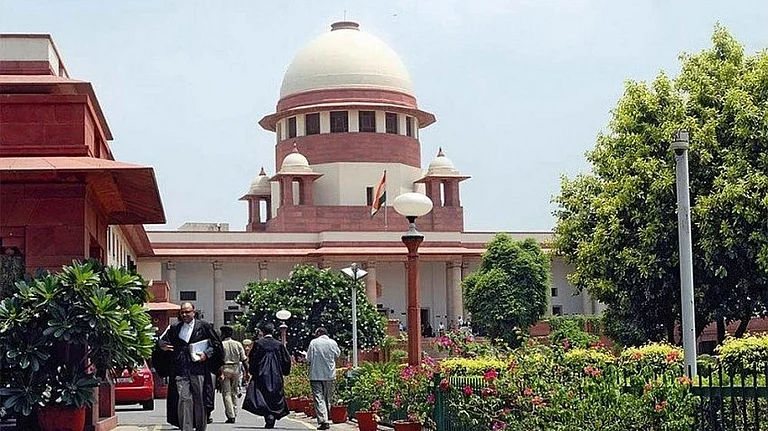
Exemption Allows Husband To Escape Charges
Colonial-era laws continue to shape how India, Bangladesh and Sri Lanka deal with rape within marriage. Ranjeeta Silwal of Equality Now, a global women's rights organisation, told BBC that these legal exemptions have their roots in British rule.
The exception dates back to 1860 in India and Bangladesh and 1885 in Sri Lanka. It rests on the assumption that women automatically consent to sex by getting married.
Women's rights groups reject this interpretation, arguing that marriage does not give husbands the right to have sex without their wives' consent. They say forced sex should be treated as rape in every circumstance. Experts also warn that such violence can take a serious toll on women's physical, mental and emotional health.
Advertisement

Cases Pending In Supreme Court
Ten cases are pending in the Supreme Court, with petitions challenging the country's marital rape law on December 9, when final hearings are scheduled to begin.
The issue has divided the judiciary, with judges taking different positions on whether husbands should be exempt from prosecution for rape. Some have criticised the existing law as outdated and called on Parliament to change it.
The debate intensified last year after a court acquitted a man whose wife died following a rape by him. The ruling drew widespread outrage.
The government, along with religious groups and men's rights organisations, has opposed the petitions. They argue that criminalising marital rape would be "excessively harsh".
Published At: