Iraqi Prime Minister Ali al-Zaidi is meeting President Donald Trump in Washington on his first overseas trip since taking office, seeking to deepen economic ties through energy, trade and investment agreements.
The U.S. is expected to press Iraq to disarm Iran-backed militias, even as powerful armed factions oppose al-Zaidi's Washington visit and reject efforts to bring all weapons under state control.
Iraq PM Al-Zaidi Arrives in US for First Talks With Trump, Seeking Energy, Trade Deals
Baghdad plans to propose a joint energy and development fund, expand oil production and reduce reliance on the Strait of Hormuz, while also seeking an IMF loan of up to $8 billion.

Iraqi Prime Minister Ali al-Zaidi arrived in the United States on Tuesday for talks with US President Donald Trump, his first foreign visit since taking office in May, with Baghdad aiming to deepen economic ties while navigating pressure over Iran-backed armed groups.
Al-Zaidi is expected to sign agreements on energy and trade, seek greater investment from U.S. companies and discuss Iraq's plans to expand oil production and diversify export routes amid growing concerns over the security of the Strait of Hormuz.
Iraqi government spokesman Haider al-Aboudi said the visit would mark a shift in bilateral ties "from a framework of crisis management to a strategic economic partnership."
"The focus," he said, "would not be about striking a 'temporary' agreement but about establishing 'a durable, long-term partnership that serves the shared interests of both countries'."

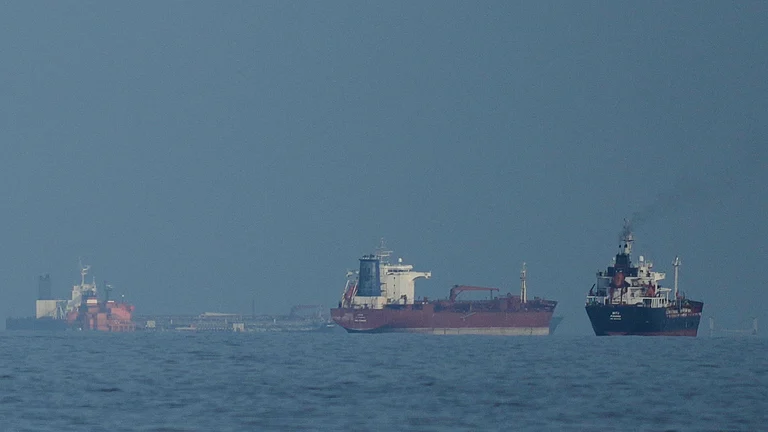
Oil is expected to dominate the discussions as Iraq looks to boost production and reduce its dependence on the Strait of Hormuz, through which around 90% of its 3.4 million barrels per day of crude exports pass. Iraq was among the countries hit hardest by recent disruptions to shipping through the strategic waterway during the U.S.-Israel war with Iran.
Al-Aboudi said Baghdad would propose creating a joint energy and development fund with the United States to finance projects agreed during the visit, particularly in the energy sector. Al-Zaidi has previously said the fund would initially be backed by oil exports of 500,000 barrels per day, with the aim of increasing that to as much as two million barrels per day. His government also wants to raise Iraq's total oil production from about 4.5 million barrels per day to seven million within three years.
"Iraq is in need of such kind of cooperation, especially with a partner like the United States to enhance and strengthen its capacity, particularly in the energy, oil, gas, electricity, and petrochemicals sectors," Iraqi economist Abdulrahman Almashhadani said.
"However, the critical question remains whether Iraq can provide a safe and stable environment that would encourage U.S. companies to come to Iraq," he said. "This issue is sensitive and unresolved; it largely depends on the government's ability to deliver on its commitments to restrict weapons to state control."
Advertisement
According to Iraqi sources, al-Zaidi's delegation includes more than 70 officials, including cabinet ministers, the central bank governor, the national security adviser, lawmakers and business leaders. Meetings with senior U.S. administration officials and the International Monetary Fund are also planned. Iraq is seeking to secure an IMF loan of up to $8 billion, according to a source familiar with the discussions.
Security issues are also expected to feature prominently in the talks. U.S. officials are likely to press Baghdad on disarming Iran-backed militias and strengthening state control over weapons, as well as Iraq's relationship with Tehran.
Al-Zaidi, a businessman with no previous political experience, came to power after emerging as a consensus candidate following months of political deadlock. Trump strongly backed his appointment after opposing the candidacy of former Prime Minister Nouri al-Maliki, whom Washington viewed as too close to Iran.
Ahead of Tuesday's Oval Office meeting, a Trump administration official said the United States would make "informed" decisions based on Iraq's efforts to disarm Iranian-backed militias operating inside the country.
Advertisement
In his first address to parliament as prime minister, al-Zaidi pledged to bring all weapons under state control and implement a 2024 agreement to end the U.S.-led coalition's combat mission in Iraq by the end of September. While some armed groups have indicated they would comply, others, particularly factions that launched missiles and drones at U.S. facilities during the war with Iran, have rejected the plan.
Hours before al-Zaidi departed for Washington, the Islamic Resistance in Iraq, an umbrella group of Iran-backed armed factions, criticised the visit.
"We will not give a blank cheque for all government policies. We warn against replacing military occupation with an economic occupation that is even more dangerous," the group said.
"The option of defending Iraq and its legitimate interests will remain on the table," it added.
Since taking office, al-Zaidi has also launched a high-profile anti-corruption campaign, with authorities arresting dozens of current and former lawmakers and government officials accused of corruption.
Advertisement
His office said the Washington visit aims to "strengthen economic and development partnerships, attract investment, and expand the role of U.S. companies in implementing infrastructure projects" while further developing Iraq's energy sector.
(inputs from AP and Al Jazeera)
Published At:
Tags