Trump says Cairncross lacked ability, names Kirsten Davies successor.
Cairncross's departure raises questions over whether he resigned.
His tenure included cyber strategy and AI policy initiatives.
How Sean Cairncross Fell Out Of Favour With The Trump White House
Donald Trump replaces National Cyber Director Sean Cairncross, saying he was not good enough for the job

Summary
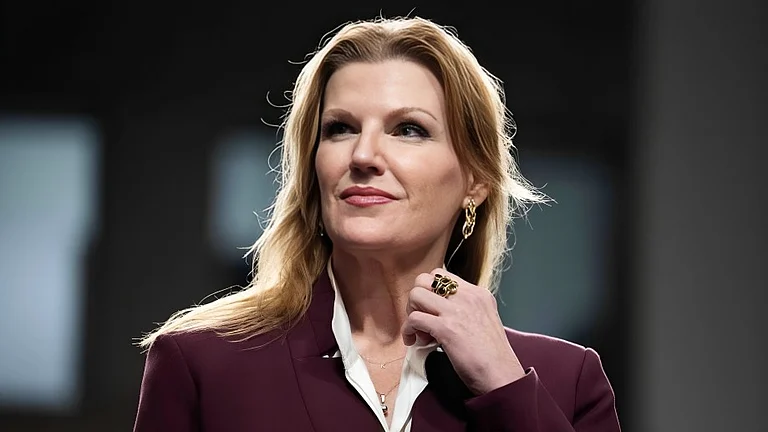
President Donald Trump offered no clear reason for the sudden departure of National Cyber Director Sean Cairncross, saying he did not consider him capable enough for the job. Pentagon Chief Information Officer Kirsten Davies was named to replace Cairncross.
Speaking to reporters on Friday, Trump said, “I didn’t think that person was good enough,” after the White House abruptly announced Cairncross would leave the post.
Cairncross took over as national cyber director after receiving Senate confirmation last summer. During his confirmation process, Democratic lawmakers questioned whether he had enough experience in cybersecurity.
Before taking up the role, Cairncross had served as a senior Republican National Committee official and headed the Millennium Challenge Corporation.
Cairncross said on Thursday evening that serving under Trump had been the “honor of a lifetime”. He said he was proud of his work to improve US cybersecurity, protect critical infrastructure, tackle foreign threats and strengthen America's position as a global leader in what the administration calls “Super Intelligence”.
Responding to concerns about his lack of cyber expertise during his confirmation, Cairncross had promised to rely on experienced professionals. He said he would “surround myself with smart people to make sure the right people are in the right place to do the jobs and take their advice.”
Was Cairncross Removed Or Did He Resign?
A person close to Cairncross maintained that his exit was voluntary, telling Politico that “he resigned” rather than being fired.
The person also defended his credentials, arguing that he had received Trump's nomination, secured Senate approval and spent a year and a half in the position. “The president nominated him, he was Senate-confirmed, and was in the job for a year and a half.”
Cairncross had not responded to requests for comment at the time of publication. A spokesperson for Wiles also declined to comment.
Advertisement
However, accounts from four people familiar with his time in office painted a difficult picture of his tenure. Although several people in Washington had initially given him the benefit of the doubt, some believed his connections with Republican leaders could help him build a strong working relationship with Trump.
Behind the scenes, efforts to find his replacement had reportedly started much earlier. A White House official, speaking anonymously about private discussions, said Stephen had made the search a priority almost immediately after taking over as chief of staff.
“searching for a new head of the ONCD was one of the first things Stephen did as Chief of Staff. At the start of his first week, he began to run a replacement search behind the scenes,” the official said.
Gap In Understanding Of Cyber-Security
Despite the criticism surrounding his departure, Cairncross had several achievements during his 15 months in office. One of the biggest was the release of a national cyber strategy in March, which outlined the administration's plans to strengthen the country's digital defences and expand its offensive cyber capabilities.
Advertisement
He was also involved in drafting an executive order on AI that Trump signed in June. It called on AI companies to voluntarily submit their new models to the federal government for testing before making them publicly available. Another initiative under his watch offered free cybersecurity services to water utilities in Texas following a series of cyberattacks across the country earlier this year.
However, his role in preparing the AI executive order also drew criticism from people around him, who felt it exposed gaps in his understanding of cybersecurity. There were also concerns that the administration was moving too slowly on AI as competition with China intensified, potentially putting the US at a disadvantage.
Published At:
Tags