US proposes tariffs of up to 25% on India.
Washington cites excess industrial capacity and unfair trade practices.
The move comes as India-US trade talks continue.
Why Donald Trump Is Proposing New Tariffs On India And 13 Other Economies
The US has proposed tariffs of up to 25% on Indian goods, citing excess industrial capacity. Here's what the investigation means for India and its trade deal with Washington

Summary
The Donald Trump administration has proposed tariffs of up to 25% on Indian goods on Wednesday. The announcement was made after a US investigation into what Washington calls 'structural excess capacity'. The tariff will be reduced to 17% if the US and India reach an agreement.
The tariffs are based on an investigation that was launched in March under Section 301 of the Trade Act of 1974. This act allows the US to take action against trade practices that it considers unfair. The proposed rates are also not expected to exceed the tariff levels already agreed under trade deals with the countries concerned.
The United States Trade Representative (USTR) said in its report, ”The Trade Representative proposes that appropriate action to obtain the elimination of the acts, policies, and practices would include applying tariffs of up to 25% on all goods of India, net of existing Section 301 tariffs, with exemptions for certain goods. “
The Trump administration moved ahead with the tariffs despite growing frustration among Americans over rising living costs and dissatisfaction with the president's handling of the economy. These issues also played a major role in the Democrats' strong performance in the US midterm elections.
What Is Excess Industrial Capacity?
Excess industrial capacity occurs when a country produces more goods than its domestic market can absorb. The US administration says this can happen when governments provide subsidies, tax breaks and other benefits to help companies expand production, even when there is not enough demand.
For example, a country may have the capacity to produce 10 million tonnes of steel a year, while its domestic market needs only seven million tonnes. Manufacturers may then sell the remaining three million tonnes to other countries.
However, if a country is producing more than its needs or if it is having a trade surplus it does not automatically mean it is following unfair trade practices. A country may also export more because its manufacturers are competitive or because buyers in other countries want its products.
Advertisement
Why Have New Tariffs Been Announced?
The US Trade Representative (USTR) reached this proposal after an eight-month review of trade practices in 16 economies. The investigation checked whether government support and industrial policies in these countries were encouraging factories to produce more than their markets could absorb.
Washington says that this excess production allows foreign manufacturers to gain an advantage over American companies. It says the proposed tariffs are intended to counter policies that it believes distort competition and make it harder for US businesses to compete.
The USTR accused the countries of using government measures that "creates, sustains, or contributes to structural excess capacity and production in manufacturing sectors through various acts, policies, and practices that we find to be unreasonable and burden or restrict US commerce".
Advertisement
Which Other Countries Are Facing Trump’s Proposed Tariffs?
India is not the only country facing the proposed US tariffs. The Trump administration has also targeted China, Japan, South Korea, Taiwan, Vietnam, Thailand, Malaysia, Indonesia, Cambodia, Bangladesh, Singapore and Switzerland.
The European Union is also on the list. The US initially opened investigations into 16 economies, including Mexico and Norway, but has not announced tariff action against these two countries in its November 25 findings. China faces a proposed tariff of 20%, while the proposed rates for other economies vary. The measures are still proposals and will go through a public consultation process before any final decision.
The proposed 17% tariff on Indian goods is lower than the rates for several competing countries. Bangladesh, Cambodia, Indonesia, Malaysia and Thailand will face an 18% tariff, while Vietnam will be subject to a 20% rate once its trade deal with the US takes effect. China will also face an additional 20% US duty on top of existing tariffs.
Advertisement

No Decision On Trade Deal Between India And US
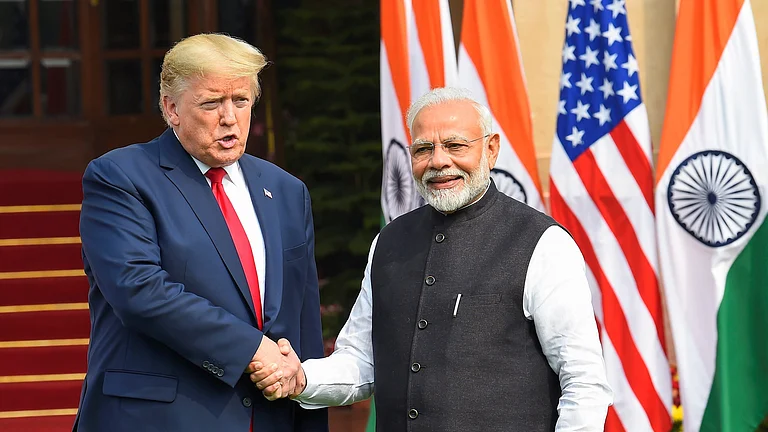
The discussions for the trade deal between India and the US are still ongoing. Earlier, in February, both sides had announced a framework for this deal.
Trump first announced 26% tariffs on India in April 2025. In August, the tariff was raised to a total of 50%, adding another 25 % duty because India continued buying oil from Russia.
The February announcement brought some relief. The US agreed to reduce extra 25% tariff and offered to bring the tariff down to 18 %.
The US has been seeking greater access for its genetically modified (GM) products to the Indian market as part of the trade deal. It has also raised India's restrictions on certain dairy imports, calling them non-tariff barriers to trade.
India also made commitments as part of the proposed deal. It agreed to open its market further to American industrial products, food and agricultural goods by cutting or removing import duties. New Delhi also said it intended to buy $500 billion in US goods over five years, including oil and gas, aircraft and technology products.
Advertisement
Published At: