Congress won six Lok Sabha seats in Uttar Pradesh in 2024, while the SP secured 37.
In 2022, Congress contested 399 Assembly seats but won only two, securing 2.33 per cent vote share.
Analyst Rasheed Kidwai called Congress’s demand a “mere posture”, stressing that seat-sharing depends on electoral strength.
UP Elections 2027: Congress Seeks Equal Footing With SP, But Numbers Tell Another Story
The Congress is seeking 150–200 seats in Uttar Pradesh for the 2027 Assembly polls, but its poor Assembly record contrasts with its gains in the 2024 Lok Sabha election

Summary
Congress wants to contest the 2027 Uttar Pradesh Assembly election as an equal partner of the Samajwadi Party (SP), with a say not only in the number of seats it receives but also in which constituencies it contests. The demand comes despite a sharp contrast between the party’s improved performance in the 2024 Lok Sabha election and its marginal presence in the state Assembly.
“On the basis of our organisational strength, the confidence people have shown in us and our performance, we have put forward our demand for certain seats. Discussions have begun, and we are confident that the final arrangement will be honourable. The details will be shared once the agreement is finalised,” UP Congress in-charge Rajendra Pal Gauta told media in Lucknow on Wednesday, reported News 18.
Gautam has called for equal respect and an equal share in the alliance. The Congress has also spoken of contesting between 150 and 200 of Uttar Pradesh’s 403 Assembly seats. The SP, meanwhile, has stressed that the final arrangement must be guided by the winnability of candidates.
The negotiations raise a key question, can the Congress convert its gains in the parliamentary election into a stronger Assembly presence, and does its electoral record justify its demand for a substantially larger share?
Congress’s Current Position
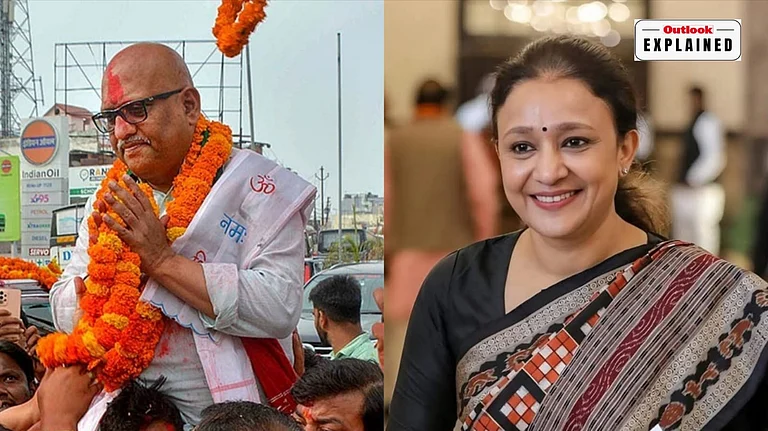
The Congress’s position has improved since the 2022 Assembly election. In the 2024 Lok Sabha polls, it won six of the 17 seats it contested in Uttar Pradesh, while the SP secured 37 of the 62 seats it fought. Together, the INDIA bloc parties won 43 of the state’s 80 parliamentary constituencies. The BJP’s tally fell from 62 seats in 2019 to 33.
The result gave the Congress renewed relevance in Uttar Pradesh and strengthened its case for a larger role in the Opposition alliance. However, the Assembly figures present a different picture. In 2022, the Congress contested 399 seats but won just two, polling 2.33 per cent of the vote. The SP, by contrast, won 111 seats and emerged as the principal Opposition force.
Advertisement
The 2017 election offers another reminder of the Congress’s limited Assembly base. It contested 114 seats and won seven, while the SP secured 47. The BJP won 312 seats.
The difference between the parliamentary and Assembly results is central to the negotiations. Success in a Lok Sabha alliance does not automatically translate into victories across 403 constituencies, where local organisation, candidate selection and caste equations can shape the outcome.
Political analyst and author Rasheed Kidwai, speaking to Outlook earlier, described the Congress’s demand for a larger share as “a mere posture”. He argued that alliances and seat adjustments were negotiated from a position of strength, rather than weakness.
Kidwai said the Congress needed to demonstrate its ability to win, particularly in constituencies where it had finished first or second in previous Assembly elections. He assessed its prospects as limited to little more than a dozen seats, while noting that its six Lok Sabha victories in 2024 and leads in more than 30 Assembly segments could provide leverage in negotiations.
Advertisement

Seat-Sharing Dispute
The Congress’s demand for a greater share of seats is not new. In May 2025, senior party leader and Saharanpur MP Imran Masood said the party was prepared to contest all 403 Assembly constituencies if necessary. He also opposed an arrangement in which the SP alone decided which seats the Congress would contest.
“They won’t decide our seats now. They offer us seats where we will lose,” Masood told The Indian Express at the time.
The current discussions suggest that the Congress wants to avoid a repeat of the uncertainty that marked earlier negotiations. Both parties have conducted surveys, and the Congress has begun identifying constituencies where it believes it can compete. Early talks could help prevent last-minute disagreements and friendly contests between alliance partners.
But a demand for 150 to 200 seats would require the Congress to show that it has a credible chance of winning across a substantial number of constituencies. Its improved Lok Sabha performance gives it an argument for a larger role, but its Assembly record remains a significant obstacle.
Advertisement
Alliance Track Record
The Congress’s experience of seat-sharing with regional parties elsewhere offers mixed lessons.
In Maharashtra, it won 44 of the 147 seats it contested in 2019. In 2024, it contested 101 seats as part of the Maha Vikas Aghadi and won 16. In Bihar, it won 19 of the 70 seats it contested in 2020, compared with 27 victories from 41 seats in 2015. Both cases illustrate that a larger allocation does not necessarily produce a better result.
Jharkhand provides a more favourable example. In the 2024 Assembly election, the Congress contested 30 seats alongside the Jharkhand Mukti Morcha and won 16, helping the alliance retain power.
The broader lesson is that seat-sharing numbers matter less than whether the parties can field competitive candidates and mobilise support in the constituencies they receive.

Advertisement
The Equality Test
For the Congress, Uttar Pradesh is more than another seat-sharing negotiation. Its decline in the state has left it increasingly dependent on regional allies, even as it seeks to maintain its position as a national political force.
The 2024 Lok Sabha election offered an opportunity to rebuild, but the Assembly contest will require a different kind of preparation. A larger seat share would be meaningful only if supported by functioning local units, credible candidates and constituencies where the party can mobilise voters.
The SP faces its own calculation, it must accommodate an alliance partner without giving up seats it believes it can win itself.
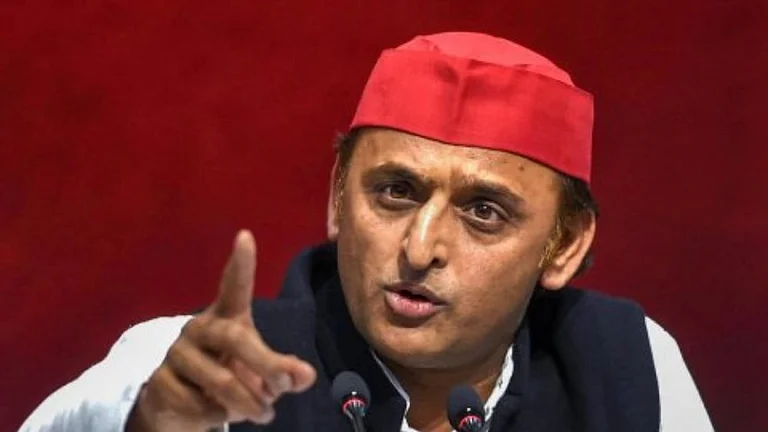
The eventual agreement will therefore test more than the relationship between the Congress and SP chief Akhilesh Yadav. It will show whether the Congress can turn its parliamentary gains into a durable Assembly-level presence and whether its demand for equal partnership is backed by electoral strength on the ground.
Published At: