Bela Negi transforms the landscapes of the western Himalayas into living characters
Seemingly ordinary characters in these stories carry a profound emotional and cultural inheritance, revealing the unseen costs of environmental degradation
Both the land and its people are treated with remarkable empathy and dignity
All-seeing Eyes: Review of Bela Negi’s 'The Tree With Eyes And Other Stories'
These stories reveal how personal lives remain inseparable from the social, political and ecological worlds they inhabit

Summary
We are shaped as much by the world around us as by ourselves. Our identities are often formed by those we live with, the social and cultural fabric of our surroundings, the privileges and restrictions we inherit and the ideas that continue to influence us even when we seek solitude. In literature, these forces are frequently portrayed with subtlety, where places become quiet backdrops rather than being active presences.
In The Tree with Eyes and Other Stories (Westland Books), however, Bela Negi transforms the landscapes of the western Himalayas into living characters, magnifying the collective whispers, gossip, social taboos, love, tugs of parental control and the enduring tradition of storytelling. While the stories engage with pressing social realities through a distinct and compassionate voice, Negi leaves enough room for silence for readers to interpret her characters, their freedoms and their limitations.
In the eponymous story The Tree with Eyes, the writer explores the many layers of patriarchy through the institution of marriage, the quiet currents of desire, the burden of social surveillance and the unexpected freedom that nature can offer. At its centre is Lata, a woman who longs for independence but is gradually hollowed out by an oppressive marriage, emotional neglect and loneliness. Negi unfolds these realities through the symbolism of the jacaranda trees, local folklore and the intimate relationship between people and the landscape, allowing nature to mirror her characters' inner lives. The story examines the invisible structures that shape women's lives and reminds readers of the freedom we constantly seek, yet, are so rarely allowed to possess.
In Gangrene, what begins as a physical injury expands into a powerful metaphor for the unchecked intrusion of capitalism into the Himalayan landscape, where the pursuit of minerals comes at the cost of nature's fragile balance. Against the backdrop of a strained marriage, Negi portrays the protagonist Umed Singh's emotional exhaustion through subtle gestures rather than direct confession. He repeatedly presses his wound as if to reassure himself of his own existence and the suffering he silently carries among those he loves. In contrast, Ija embodies acceptance and resilience. She believes in letting go of what lies beyond her control, becoming an extension of the natural world the story seeks to protect. Umed wishes she would share his anxieties and stand beside him in his struggle, yet, he also recognises the limits imposed by his responsibilities and by his own understanding of masculinity. With time and narrative, the wound emerges as a living presence, a catalyst that continually reminds readers of the pain endured by both Umed and the land he belongs to, as greed for wealth and power slowly consumes them.
Advertisement

In The Man Who Refused to Die, Negi reflects on death, governmental hypocrisy, dependence and the vulnerability of ordinary lives. The story begins with a significant death against the backdrop of a major hydel project, yet Negi deliberately withholds its cause. This is a thoughtful narrative choice, for the reason behind the death is less important than its aftermath and the unsettling questions it raises. As the story unfolds, an ascetic named Kushal Baba enters the village, and the protagonist comes to believe that he survives by feeding on the lives of others, especially as deaths continue to multiply around her. While the protagonist believes that the deaths began with Baba's arrival, Negi suggests a different truth. Through subtle clues, she points to the slow destruction of nature and the hollow promises of development that accompany state-led progress. The story draws its power less from events than from the metaphor that sustains them. Its seemingly ordinary and marginalised characters carry a profound emotional and cultural inheritance, revealing the unseen costs of environmental degradation and the fragile beliefs that people cling to in times of despair.
Advertisement
In The Monkey Chaser, Negi examines the gradual encroachment upon the Himalayan landscape and the profound ways it reshapes the lives of its native inhabitants. Although the narrative initially centres on the personal struggles of two families, it broadens into a reflection on the social and economic consequences of unchecked capitalism. Negi suggests that the erosion of the natural world is inseparable from the erosion of human relationships, emotional stability and collective hope, making the landscape an active participant in the lives of her characters.
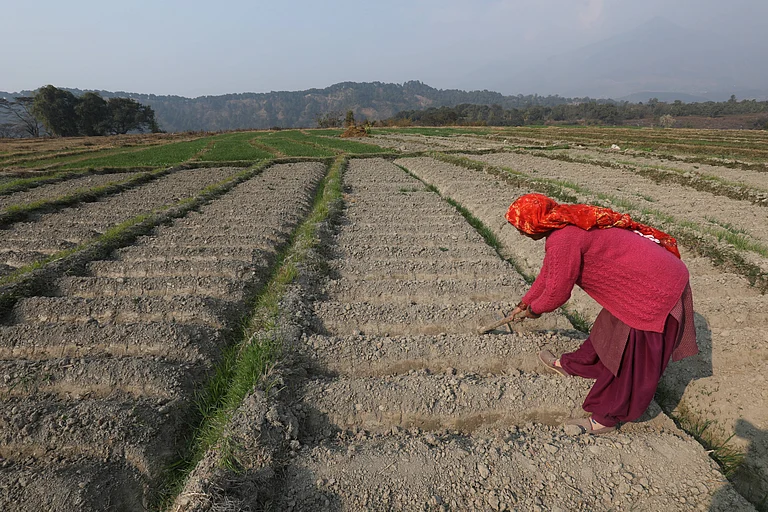
In Amma's Keys, Negi shifts her attention to memory, nostalgia and the quiet resilience that enables ordinary people to survive moments of uncertainty. Beneath its engaging narrative lies a powerful meditation on women's longing to move beyond the limits imposed by family and society, making the pursuit of freedom the emotional core of the story. As the narrative unfolds with subtle suspense, the symbolic significance of Amma's keys grows stronger, representing not only inheritance and belonging but also the possibility of reclaiming agency.
Advertisement
While many of these stories revisit themes such as patriarchy, environmental loss, displacement, memory and freedom, each approach these concerns from a distinct emotional and narrative perspective. Together, they reveal how personal lives remain inseparable from the social, political and ecological worlds they inhabit. Through intimate narratives that open into broader reflections on identity, belonging and survival, Negi transforms everyday experiences into profound human truths. The stories in this memorable collection bring the Himalayan landscape to life while treating both the land and its people with remarkable empathy and dignity, leaving a lasting impression on the reader.
(Kabir Deb is a writer, reviewer and translator based in Karimganj, Assam)
Published At: