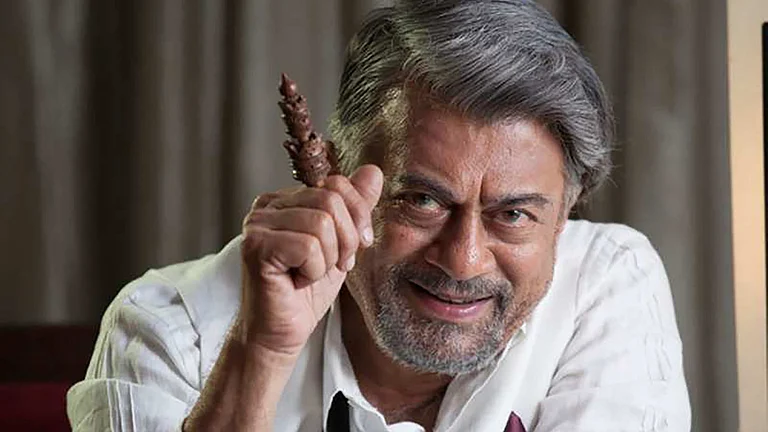
Anant Nag will receive the Dadasaheb Phalke Award 2024 on 22 September in Kevadia.
The actor has appeared in over 300 films across six Indian languages since 1973.
He is only the second Kannada actor after Dr Rajkumar to win the honour.
Who Is Anant Nag? The Veteran Cinema Icon Set To Receive The Dadasaheb Phalke Award For 2024
Over five decades and more than 300 films, the actor has moved between theatre, arthouse Hindi cinema, mainstream Kannada hits, Malgudi Days and politics.

Summary
Veteran actor Anant Nag has been chosen for the Dadasaheb Phalke Award for 2024, India's highest honour for an individual contribution to cinema. The award recognises a career spanning more than five decades, more than 300 films and several Indian languages. It also brings a national spotlight to an actor whose work has been deeply tied to Kannada cinema while extending well beyond it.
Nag will receive the honour at the 72nd National Film Awards ceremony in Kevadia, Gujarat, on September 22, 2026. The announcement comes a year after he was awarded the Padma Bhushan for his contribution to the arts.
For Nag, however, the recognition comes after a career that began far from awards ceremonies. He started in theatre, moved into the parallel cinema of the 1970s and gradually became one of the most familiar faces in Kannada films. Along the way, he worked with filmmakers including Shyam Benegal, Girish Karnad and his younger brother Shankar Nag, while also becoming a familiar presence on television through Malgudi Days.
Who is Anant Nag?
Born on September 4, 1948, Anant Nag developed an interest in theatre after moving to Mumbai as a child. Before entering films, he performed in more than 50 plays across different languages. Those years gave him a grounding in dialogue and performance that stayed with him throughout his career.
Nag made his Kannada film debut with Sankalp (1972). That same year, he appeared in Shyam Benegal's Ankur (1974), which marked his entry into Hindi cinema. Benegal later cast him in Nishant and Manthan, giving Nag an early association with the parallel cinema movement.
These films demanded a different kind of screen presence. Nag was not playing the conventional Hindi film hero. His performances were often restrained, with emotion conveyed through expressions, pauses and the way he delivered a line. That quality would become central to his work in Kannada cinema as well.
Advertisement
How Did Anant Nag build his career?
Kannada cinema eventually became the center of Nag's career. He appeared in films such as Bayalu Daari, Kanneshwara Rama, Naa Ninna Bidalaare, Chandanada Gombe and Benkiya Bale. His filmography also moved easily between serious dramas and popular entertainers.
Comedy became another important part of his screen identity. The Ganesha series, particularly Ganeshana Maduve and Gowri Ganesha, showed that the actor known for serious cinema could also handle humour with precision. Nag once explained that comic timing was not simply instinctive but something that required practice, particularly in deciding how quickly or slowly a line should be delivered.
His willingness to take different kinds of roles continued into the later stages of his career. In Godhi Banna Sadharana Mykattu, he played an elderly man living with Alzheimer’s. The performance became one of the most discussed roles of his later years and introduced his work to a younger generation of Kannada filmmakers and audiences.
Advertisement
Nag later appeared in films including Raajakumara, Gaalipata 2, and the KGF franchise, showing that his career was not confined to one generation of cinema.
Why is Anant Nag remembered from Malgudi Days?
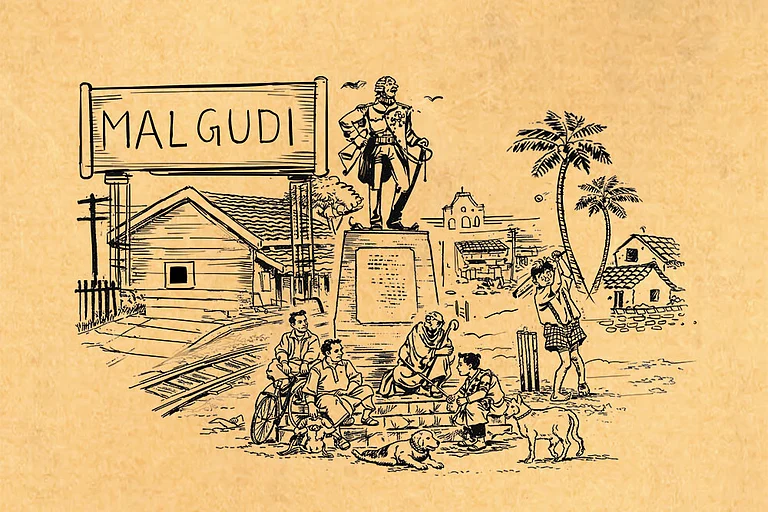
For many viewers outside Karnataka, Nag is best remembered as part of Malgudi Days, the television adaptation of R.K. Narayan's stories directed by Shankar Nag.
The series gave Anant Nag a national television audience at a time when Doordarshan connected regional cinema performers with viewers across India. His association with Shankar Nag was also significant to Kannada cinema beyond television.
The brothers worked together on films including Accident and Minchina Ota. Their creative partnership ended when Shankar Nag died in a road accident in 1990.
What Awards has Anant Nag won?
Nag has won five Filmfare Awards and five Karnataka State Best Actor Awards. He has also received the Karnataka Rajyotsava Award and the Karnataka State Lifetime Achievement Award.
Advertisement
His contribution was recognised nationally with the Padma Bhushan in 2025. The Dadasaheb Phalke Award now adds the country's highest cinema honour to that list.
He is also the second Kannada actor to receive the award after Dr Rajkumar, who was honoured in 1995. Nag has often spoken of Rajkumar with admiration, describing him as a mundina doni, or the boat that went before him, showing the way for actors who followed.
Anant Nag's Life Beyond Cinema
Nag’s career extended beyond films and television. He also entered public life, serving on the Karnataka Legislative Council from 1988 to 1994. He was later elected to the Karnataka Legislative Assembly and served from 1994 to 1999.
During his time in the Assembly, Nag served as minister for Bangalore city development in the J.H. Patel government.
Yet his five-decade body of work remains central to his legacy. From Benegal’s socially conscious films and the stages of Mumbai to Kannada blockbusters, television classics, and collaborations with younger filmmakers, Nag has repeatedly moved between different worlds of Indian cinema without being defined by just one.
Advertisement
The Dadasaheb Phalke Award, therefore, recognizes more than a long filmography. It marks a career built on range, longevity and an acting style that allowed Anant Nag to remain relevant across generations.
Published At: