Millions undertake the Kanwar Yatra to offer Ganga water to Shiva.
The pilgrimage represents devotion, sacrifice and spiritual discipline.
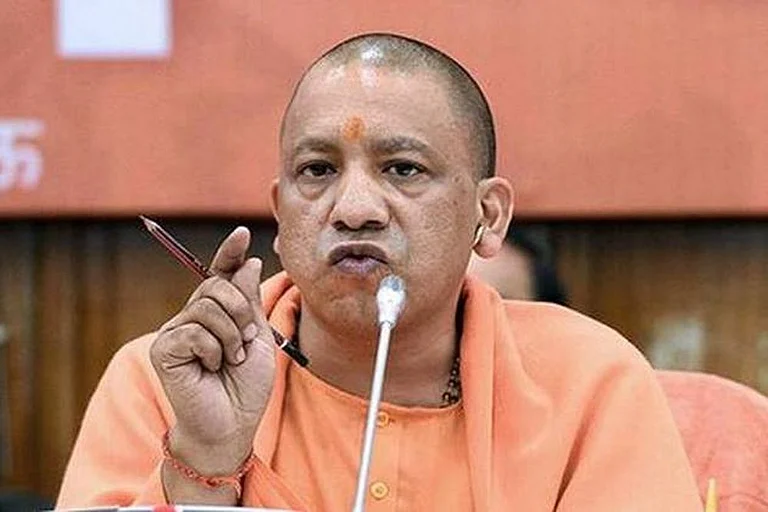
Yogi Adityanath has urged Kanwariyas to maintain restraint and discipline.
Kanwar Yatra Explained: Faith, Security And Violence Along The Route
Chief Minister Yogi Adityanath appealed to devotees to preserve the sanctity of the pilgrimage and avoid confrontations over minor matters.

Summary
The Kanwar Yatra is one of India’s largest annual religious pilgrimages, drawing millions of devotees of Lord Shiva from across north India. During the holy month of Shravan, Kanwariyas travel, often on foot, to collect water from the Ganga and other sacred rivers before offering it at Shiva temples through the ritual of Jalabhishek. For most devotees, the pilgrimage is completed peacefully and represents faith, discipline and spiritual devotion.
However, almost every year, the yatra also attracts attention over road accidents, traffic disruptions, clashes, vandalism and other law-and-order challenges. While these incidents involve only a small fraction of the millions participating in the pilgrimage, their recurrence has raised questions about crowd management, public safety and the need to balance religious processions with everyday civic life.
The issue has again come into focus after Uttar Pradesh Chief Minister Yogi Adityanath on Friday appealed to Kanwar yatris to maintain discipline. He warned that anti-social elements were attempting to provoke violence and damage the image of the pilgrimage.
What Is Kanwar Yatra?
The Kanwar Yatra is observed every year during the Hindu month of Shravan. Devotees collect holy Ganga water from sacred destinations such as Haridwar, Gaumukh, Gangotri and Sultanganj. The water is carried in containers suspended from a bamboo pole, known as a Kanwar, which is balanced across the shoulders.
After completing the journey, devotees offer the water to Lord Shiva through Jalabhishek, usually at temples in their hometowns or nearby pilgrimage centres.
In 2026, the Kanwar Yatra is scheduled to begin on July 30 and conclude on August 11, coinciding with Sawan Shivaratri, when devotees perform the final water offering at Shiva temples.
Why Is The Pilgrimage Significant?
The Kanwar Yatra is regarded as a symbol of devotion, sacrifice and spiritual discipline. During the pilgrimage, Kanwariyas often follow strict religious practices, including abstaining from alcohol and non-vegetarian food, wearing saffron-coloured clothing and travelling barefoot or on foot over long distances.
Advertisement
The journey is seen as an expression of perseverance and temporary renunciation of worldly comforts in pursuit of spiritual fulfilment. For many devotees, carrying the Kanwar and completing the pilgrimage is also considered an act of penance and dedication to Lord Shiva.
The Incidents of Violence
Millions of devotees travel simultaneously across highways and urban roads in Uttar Pradesh, Uttarakhand, Delhi, Haryana, Bihar and other states.
Even where dedicated Kanwar routes and traffic diversions are created, pilgrims often share roads with regular commuters. This increases the chances of congestion, accidents and disputes. Minor collisions involving vehicles and Kanwariyas have, in some cases, escalated into confrontations, vandalism or damage to public and private property.
According to a Hindustan Times report, more than 170 Kanwariyas were booked within five days of the yatra beginning on July 11, 2025. The cases reportedly involved charges such as hooliganism, rioting, blocking highways, obstructing police personnel, breach of peace and wrongful restraint.
Advertisement
The problem is not limited to one year. According to The Quint, at least 20 documented incidents of violence were reported during the 2024 Kanwar Yatra. Although these figures represent a very small share of the total number of participants, they have contributed to recurring concerns over the conduct and management of the pilgrimage.
Yogi Adityanath’s Appeal To Kanwar Yatris
Addressing a public gathering in Uttar Pradesh’s Shamli district today, Chief Minister Yogi Adityanath appealed to devotees to preserve the sanctity of the pilgrimage and avoid confrontations over minor matters.
“Today, no one stops the Kanwar Yatra. It is progressing peacefully and with enthusiasm. The government stands with the kanwariyas, and the administration and security forces are serving them,” he said.
Calling for restraint, Adityanath said devotees should uphold the values associated with Lord Ram, Lord Krishna and Lord Shiva.
Advertisement
“We are descendants of Lord Ram, belong to the land of Lord Krishna and are devotees of Lord Shiva. We must uphold Ram’s maryada, Krishna’s values and Shiva’s simplicity. There should be no unruly behaviour over trivial issues,” he said.
The chief minister alleged that certain people were deliberately attempting to trigger violence and tarnish the image of the yatra.
“Some anti-social elements try to provoke violence and tarnish the image of the Kanwar Yatra. If anyone tries to create trouble or disturb the atmosphere, such persons should be isolated immediately. We must not allow anyone to compromise the sanctity and dignity of this pilgrimage,” he said.

How Do Governments Prepare For The Yatra?
Given the large number of pilgrims, state governments put extensive logistical and security arrangements in place each year. Police personnel, Provincial Armed Constabulary units and specialised security teams are deployed along major routes to maintain law and order.
Advertisement
CCTV cameras are installed at important locations for round-the-clock monitoring, while drones are increasingly used for aerial surveillance. Temporary control rooms are also established to coordinate emergency responses and manage crowds.
Medical camps, ambulances and emergency healthcare facilities are positioned at regular intervals along the routes. Authorities and voluntary organisations also establish temporary camps offering drinking water, vegetarian meals, rest areas and basic accommodation.
Municipal bodies make special sanitation arrangements, including mobile toilets, bathing facilities, waste disposal and regular cleaning of Kanwar routes. Traffic diversions and dedicated pilgrimage corridors are introduced to minimise accidents and disruption to commuters.
The Kanwar Yatra remains an important expression of devotion for millions of Shiva worshippers. At the same time, recurring cases of violence and disorder underline the difficulty of managing a pilgrimage of such scale. Its peaceful conduct ultimately depends not only on government preparation and policing but also on restraint among participants and cooperation from communities along the routes.
Published At: