Nine ISRO employee associations have sought a meeting with chairman V Narayanan over unresolved concerns about the agency’s future.
Staff bodies have raised questions about transferring manufacturing, operational functions and technologies to private entities.
ISRO maintains that the reforms will expand India’s space ecosystem without privatising the agency or diminishing its role.
ISRO Employees Seek Clarity On Privatisation, Question Agency’s Future Role
ISRO employee associations have renewed calls for clarity on private-sector participation in India’s space programme, questioning its implications for the agency’s future role, technology transfers and workforce

Summary
Nine associations representing thousands of employees of the Indian Space Research Organisation (ISRO) have sought further clarification from the agency’s chairman, V Narayanan, over the government’s plans to expand private-sector participation in India’s space programme.
In a fresh letter dated October 7, the Joint Action Council representing the associations said concerns over ISRO’s future role, the transfer of manufacturing and operational functions, recruitment and employee safeguards remained unanswered.
The associations also requested a meeting with the chairman.
The latest communication follows an earlier letter sent in September, in which employee bodies sought clarity on the government’s space-sector reforms and reports of manufacturing and operational responsibilities being transferred to private entities.
The dispute comes as India expands private participation in the space industry, a policy the government has said is intended to increase the sector’s capacity rather than diminish ISRO’s role.
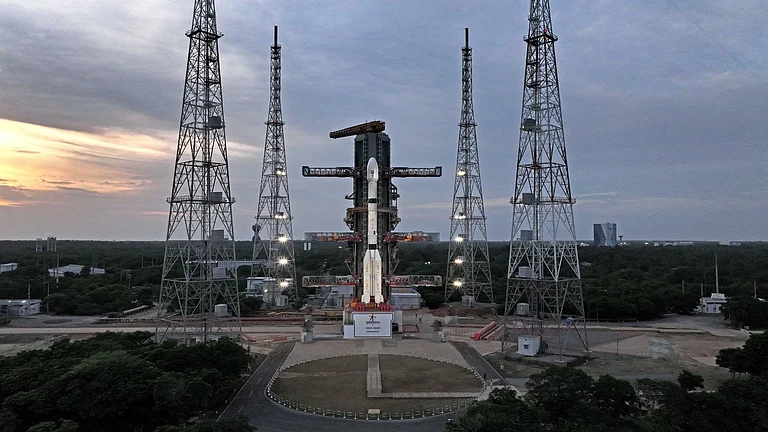
Employee Associations Raise Concerns
The associations have questioned reports about shifting the production of launch vehicles and routine satellite manufacturing away from ISRO, as well as opening new launch infrastructure to private entities.
They have also raised concerns about the transfer of technologies developed by the agency and the implications for existing employees and future recruitment. The employees have said they are not opposed to private-sector participation but want assurances that it will not weaken ISRO’s own capabilities.
The debate centres on reforms initiated in 2020 and formalised through the Indian Space Policy 2023. Under this framework, private companies are being encouraged to participate across the space sector, while NewSpace India Limited (NSIL) handles commercialisation and the Indian National Space Promotion and Authorisation Centre (IN-SPACe) facilitates non-government participation.
ISRO’s established role includes advanced research, technology development and national missions.
ISRO Says Its Role Will Not Diminish
ISRO rejected claims that the reforms amount to privatisation of the agency. In a clarification issued on September 6, it said it would neither be privatised nor lose importance, adding that the changes were intended to expand India’s overall space capabilities.
Advertisement
The organisation said private industry could scale up mature technologies and routine production, allowing ISRO to concentrate on frontier research, advanced technologies, human spaceflight and deep-space missions.
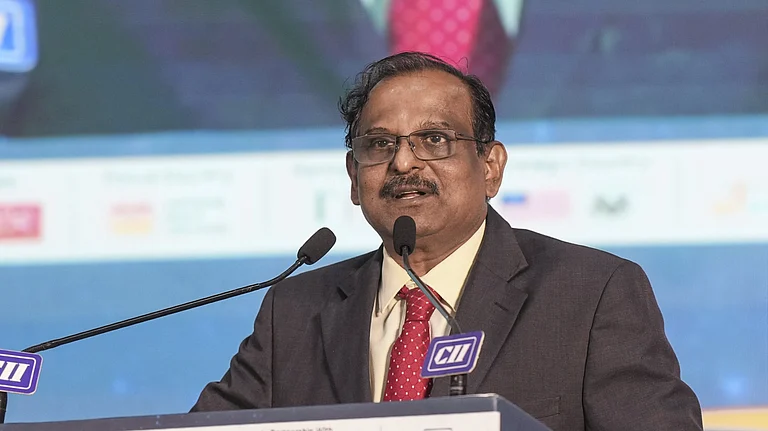

ISRO Chairman V Narayanan has also said that genuine employee concerns would be addressed. The renewed appeal from staff associations, however, indicates that questions remain over how the reforms will be implemented and what they will mean for the agency’s workforce.
The central issue is whether a larger private space industry can develop alongside ISRO while safeguarding its technical capabilities, institutional responsibilities and employees’ interests.
Published At: