Rat-hole mining involves workers manually excavating narrow passages using hand tools, a technique historically associated with coal extraction in Meghalaya.
Indian and Nepali rescue teams adapted similar narrow-passage excavation methods while dealing with slush, debris, boulders and seepage water inside the Chilime hydropower tunnel.
The technique gained wider attention in India after being used during the 2023 Silkyara tunnel rescue in Uttarakhand, where 41 trapped workers were brought out.
Why Rescuers Are Using ‘Rat-Hole Mining’ To Reach Trapped Nepal Workers
Rescuers used narrow, labour-intensive manual excavation techniques to clear debris and reach a flooded hydropower tunnel in Nepal after conventional machinery struggled to make progress

Summary
Rescuers in Nepal are using the labour-intensive technique known as “rat-hole mining” to reach workers trapped inside a flooded hydropower tunnel, after heavy machinery struggled to make further progress through waterlogged debris, according to media reports.
The method involves manually digging through narrow passages with hand tools and is being used as part of a joint rescue effort involving Nepali and Indian teams.
What Is Rat-Hole Mining?
Rat-hole mining refers to a form of manual excavation in which workers enter narrow passages and remove earth and debris by hand. The technique gets its name from the small, tunnel-like passages used by miners, particularly in Meghalaya, where it was historically used to extract coal from thin seams.
There are two traditional forms: side-cutting, in which narrow horizontal tunnels follow coal seams, and box-cutting, which involves digging a vertical pit before creating horizontal passages underground.
The technique became particularly well known in India after it was used during the 2023 Silkyara tunnel rescue in Uttarakhand, when specialised manual excavators helped reach 41 workers trapped underground after an auger machine became stuck, according to Reuters.
Rat-hole mining is not, however, simply another name for ordinary manual tunnelling. It is a specific form of narrow, labour-intensive excavation that rescuers can adapt when larger machines cannot operate effectively.
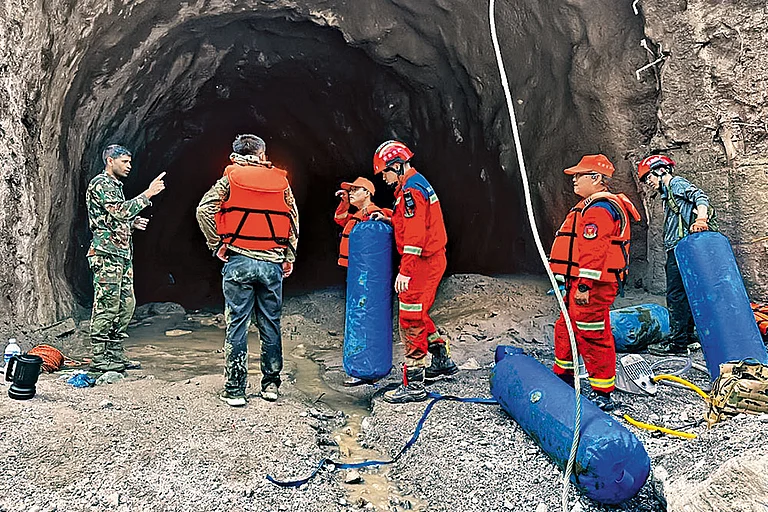
Why Is It Being Used In Nepal?
The mortal remains of five persons were recovered from the Chilime hydropower project's tunnel in Nepal on Wednesday after Indian and Nepali rescue teams reached the powerhouse following several days of clearing slush and mud, India's Ambassador to Nepal Naveen Srivastava said.
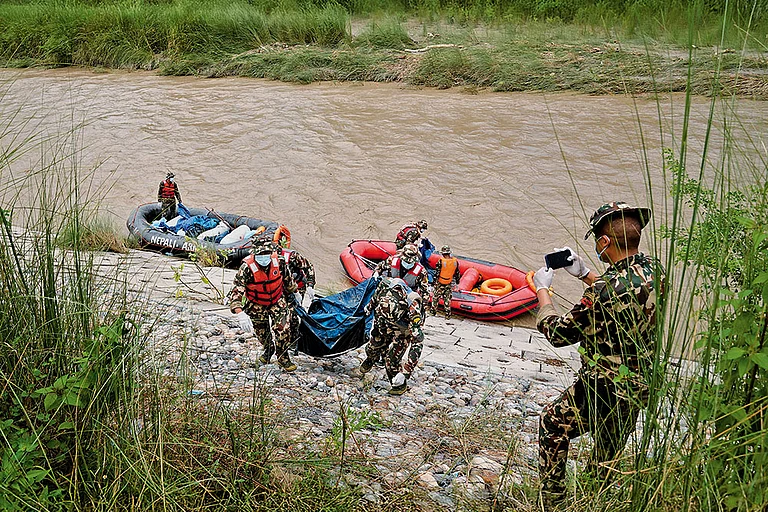
The teams were unable to find any survivors, said the diplomat.
“After several days of challenging hard work in clearing the slush and mud from the tunnel, the Indian and Nepali teams were able to reach the power house this morning. Unfortunately they were not able to find any survivors. Mortal remains of 5 persons were extricated,” Srivastava said in a post on X.
Advertisement
Authorities said the operation involved constructing a road on debris and through the river, clearing slush to gain access to the tunnel, tackling huge boulders and seepage water, and eventually carrying out deep diving.
The Indian Army and Nepali Army teams had to overcome the challenges while operating with helicopter support, they said.
Six workers had earlier been believed to be trapped inside the Chilime tunnel following the recent floods, with rescue teams working to reach the underground powerhouse.
Rat-hole mining is a banned coal-extraction method in India, but rescuers are adapting the underlying manual, narrow-passage excavation technique for an emergency tunnel rescue.
The death toll from the devastating flash floods in Nepal crossed 1,400 on Wednesday, with more bodies recovered in the flood-affected districts, while rescuers continued their search for more than 6,000 people who remain missing, officials said.
Published At: