US-Iran talks in Geneva were cancelled after logistical breakdown and JD Vance withdrew travel plans.
The collapse raises uncertainty over a fragile 60-day ceasefire and nuclear negotiation framework.
Fighting in Lebanon and wider regional tensions continue to threaten the stability of the agreement.
US-Iran Peace Talks Called Off After Geneva Meeting Collapse
Switzerland confirms cancellation as JD Vance withdraws travel plans, deepening uncertainty over fragile ceasefire deal

Summary
US-Iran talks aimed at cementing a broader truce have been called off at short notice, with Switzerland confirming the planned meeting in Geneva will not go ahead and US Vice President JD Vance dropping travel plans to the city, deepening uncertainty over the fragile ceasefire framework.
According to Reuters, the negotiations had been scheduled to take place at the Burgenstock resort near Geneva, but were cancelled after logistical arrangements collapsed. The White House said on Thursday night that US officials had been ready to travel if plans were finalised. “The logistics of these negotiations have never been simple or unpredictable,” the White House spokesperson said in a statement.
The cancelled talks were meant to advance a 14-point accord agreed earlier this week, which extended a tenuous ceasefire by at least 60 days and set out a framework for discussions on Iran’s nuclear programme and sanctions relief. The agreement also included plans for a possible signing ceremony in Switzerland, though Iran had questioned the need for one, and its delegation had not confirmed travel, according to the semi-official Tasnim news agency.
Reuters reported that Iran was awaiting evidence of US implementation of the interim deal before committing to technical-level discussions. Swiss officials later confirmed the talks would not proceed but did not provide further detail.
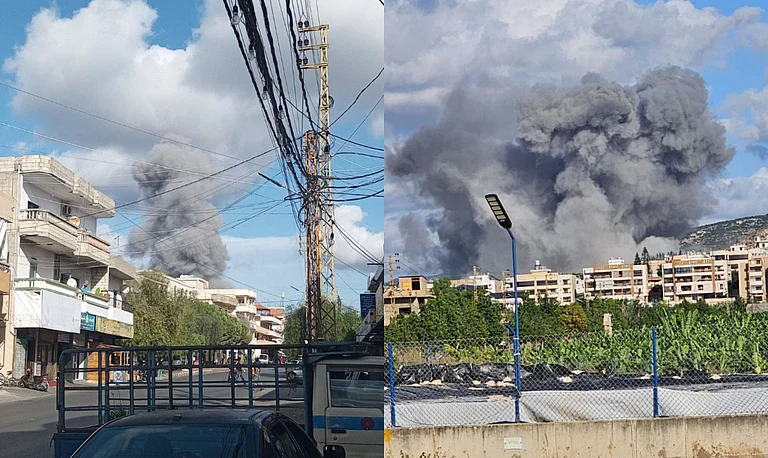
The war, which began on 28 February with US and Israeli air strikes on Iran, has killed at least 7,000 people, pushed up energy prices and unsettled global markets. Israel, which was not included in the negotiations, has continued military operations against Hezbollah in Lebanon, raising further doubts about whether any wider agreement can hold.
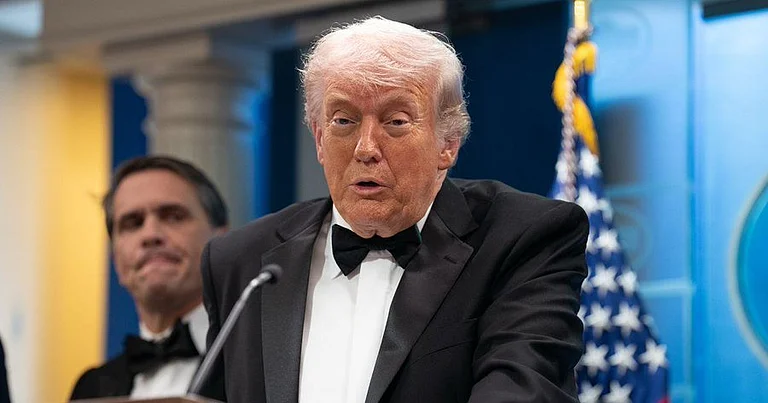
Iran has not issued a formal response to the cancellation, but Supreme Leader Ayatollah Mojtaba Khamenei said earlier that President Donald Trump had signed the deal “out of desperation” and warned that future negotiations would be difficult. “If the American side wants to be too demanding, we will not accept it,” he said in a message.
Advertisement
In Washington, some Republican lawmakers questioned whether Trump had conceded too much to bring about an end to the conflict, which remains unpopular with many Americans ahead of the November mid-term elections. Trump had previously said he would only end the war on the basis of Iran’s “UNCONDITIONAL SURRENDER.”
Instead, the memorandum signed with Tehran provides for sanctions relief, the unfreezing of tens of billions of dollars in assets, and immediate US waivers for Iranian oil exports. It also allows a 60-day window for negotiations over Iran’s nuclear programme, unless extended, and envisages a $300 billion reconstruction fund for Iran and other financial incentives.
Reuters also reported that the agreement includes US efforts to limit Iran’s long-range missile capabilities. However, US officials maintain that further talks could still produce a stronger nuclear deal, potentially building on or replacing the 2015 agreement that Washington withdrew from during Trump’s first term.
Advertisement

Critics argue Iran is now in a stronger position after withstanding military pressure, maintaining influence over the Strait of Hormuz, and securing sanctions waivers. Tehran has said it will continue to exercise influence over the waterway in coordination with Oman, and has indicated plans to introduce shipping service fees, though not during the 60-day negotiation period.
Oil prices eased on Friday as tanker traffic resumed through the Strait of Hormuz, which handles nearly a fifth of global crude and LNG flows. The reopening followed earlier disruptions linked to the conflict.
In Lebanon, fighting between Israel and Hezbollah has intensified, with the state news agency NNA reporting at least 15 killed in Israeli strikes on Friday. Israel said the attacks targeted Hezbollah positions. The escalation has added pressure on the US diplomatic effort, particularly as Trump has recently signalled criticism of Israeli operations in Lebanon, despite longstanding ties.
Advertisement
The deal’s broader provisions call for what it describes as the “permanent termination” of the war in Lebanon, but Israel has indicated it does not intend to withdraw forces and has instead outlined an expanded security zone.
The growing costs of the conflict have also drawn scrutiny in Washington, with the US defence department telling lawmakers it needs around $80 billion to cover war-related and other expenses, according to a Wall Street Journal report cited by Reuters.
(With inputs from Reuters)
Published At: