President Lai Ching-te has said Taiwan will pursue peace and dialogue with Beijing but will not surrender its freedom or accept subordination.
Taiwan plans to increase defence spending, with a proposed NT$1.1 trillion budget for 2027, as it faces continued military pressure from China.
Lai has called for greater cooperation among Indo-Pacific democracies and welcomed US-China dialogue to reduce the risk of conflict across the Taiwan Strait.
Taiwan Cherishes Peace But Will Not Give Up Freedom: President Lai Ching-te
Taiwanese President Lai Ching-te has vowed to defend the island’s freedom while pursuing peace and dialogue with Beijing, urging Indo-Pacific democracies to cooperate as Taiwan strengthens its defences amid continued tensions with China

Summary
Taiwanese President Lai Ching-te has said the island will not surrender its freedom in the pursuit of peace, as he called for greater regional cooperation to deter conflict with China. In his National Day address in Taipei on Saturday, October 10, Lai said Taiwan was open to exchanges with Beijing but would not accept subordination. He argued that strengthening the island’s defences was necessary to deter war, not provoke it, and called for respect for the Taiwanese people’s right to determine their future.
“Taiwan cherishes peace, but we will not give up our freedom. We are open to exchanges, but will not accept subordination,” Lai said during the address, delivered outside the Presidential Office Building. He also warned that peace could not rest on wishes alone, arguing that tolerance should not become a pretext for further encroachment. His remarks came as Taiwan continues to face military and political pressure from China, which claims the democratically governed island as its territory.
Lai’s speech, marking the 115th anniversary of the Republic of China’s National Day, also called on democracies across the Indo-Pacific to work together to preserve regional stability. He welcomed dialogue between Washington and Beijing to reduce the risk of conflict but said such efforts must respect history and Taiwan’s right to exist.

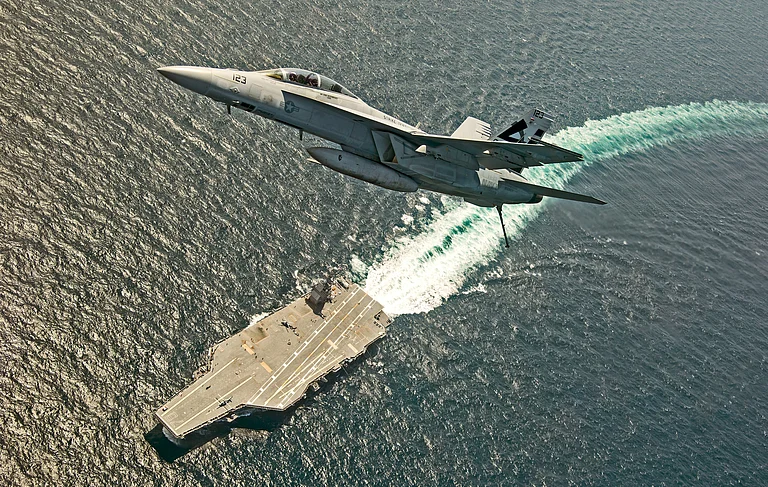
Defence Spending Is Intended To Deter War
Taiwan is increasing defence spending and modernising its armed forces in response to China’s military advantage. Lai said the investment was intended to prevent conflict and ensure that any dialogue could take place on equal terms. “We are strengthening our self-defence not to abandon dialogue, but to ensure that dialogue can take place on the basis of parity and dignity,” he said.
Advertisement
His government has proposed a record defence budget of NT$1.1 trillion (about US$34.5 billion) for 2027, equivalent to more than 3 per cent of gross domestic product, according to Al Jazeera. The spending push comes as Beijing continues military and other activities around Taiwan that Taipei views as attempts to change the status quo across the Taiwan Strait.
China has not renounced the use of force to bring Taiwan under its control and describes Lai as a separatist. Beijing has rebuffed his offers of talks, while Taiwan maintains that its future should be decided by its people. China’s Taiwan Affairs Office had not immediately responded to a request for comment on Lai’s address, Reuters reported.
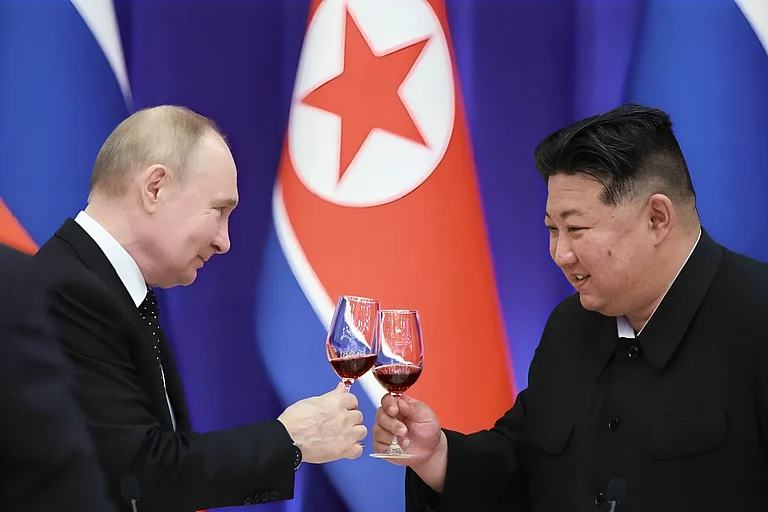
Lai Calls For Indo-Pacific Unity
Lai urged democracies in the Indo-Pacific to work together to preserve peace and stability, warning that the consequences of tensions in the Taiwan Strait extended beyond the island. He also welcomed efforts by the United States and China to manage their rivalry through dialogue and reduce the risk of war.
Advertisement
The speech came amid uncertainty over further US arms supplies to Taiwan. Washington announced an US$11 billion arms deal in 2025, but a subsequent package worth US$14 billion had yet to receive approval from US President Donald Trump, Reuters reported. China’s last major military drills near Taiwan took place in late December, following news of the earlier arms deal.
Lai’s message was that military preparedness and dialogue need not be opposing choices. Taiwan, he said, wanted peace without surrendering its freedom — and expected the international community to uphold the principle that power should not determine a people’s future.
Published At: