NATO chief Mark Rutte said the alliance remains confident about its long-term future even as the Iran crisis dominates global security discussions.
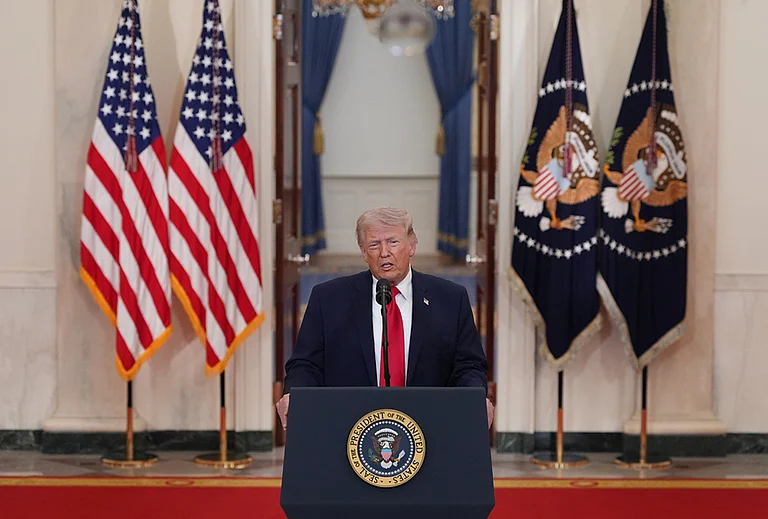
Donald Trump said the fragile US-Iran ceasefire is "on massive life support," while Tehran accused Washington of making "unreasonable demands."
NATO Optimistic Despite Iran Crisis As Hormuz Tensions Escalate
Rising tensions in the Strait of Hormuz have pushed NATO members to discuss maritime security and the protection of key trade routes.

Summary
NATO Secretary General Mark Rutte has voiced strong confidence in the long-term future of the military alliance, even as he acknowledged that the escalating crisis involving Iran currently dominates the global security landscape.
According to Al Jazeera, Rutte said immediate concerns are focused on maritime security and regional stability. "When you look at the short term, of course, there are discussions about Iran, and how we make sure that allies in Europe will be able to help with situations in the Strait of Hormuz," Rutte said during a press conference in Montenegro.
The remarks come amid mounting tensions in the Middle East, with NATO members assessing their potential roles in protecting key trade routes. As noted by Al Jazeera, the alliance is placing increasing emphasis on the responsibility of its European members in managing regional flashpoints.
Despite the immediate geopolitical strains, Rutte remained upbeat about NATO’s broader trajectory. "When it comes to the more fundamental question of NATO's future, I'm extremely optimistic," he said, citing major commitments by European allies and Canada to increase defence spending.
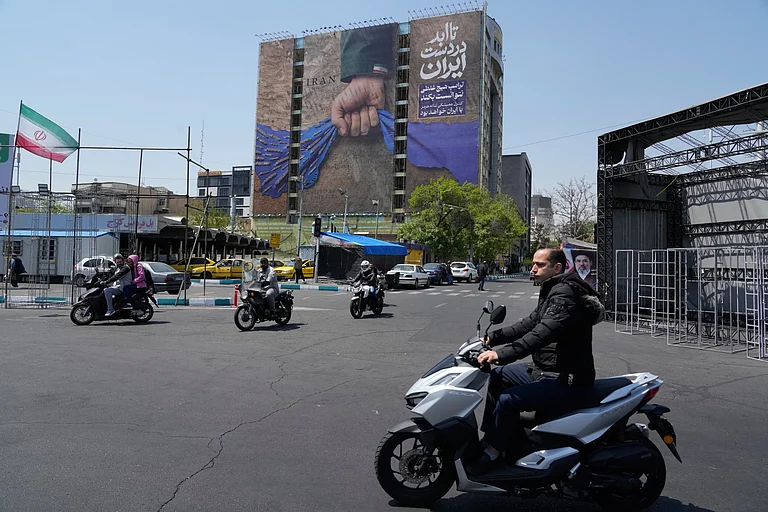
That optimism is being tested as the Strait of Hormuz becomes the focal point of the growing confrontation between the United States and Iran. Falling tanker traffic has fuelled concerns that Tehran may be tightening control over the strategic waterway, which remains under heightened alert. The tensions follow Tehran’s near-total closure of the trade corridor after joint Israeli-US airstrikes on 28 February and the retaliatory naval blockade imposed by Washington last month.
The diplomatic standoff has escalated to the highest political levels, with US President Donald Trump claiming that the fragile ceasefire between Washington and Tehran is currently "on massive life support." Criticising Iran’s response to the proposed peace framework, Trump described Tehran’s formal reply as "stupid" and accused the Iranian leadership of repeatedly shifting its position during negotiations.
"I think it's very possible. I've had a deal with them four or five times, they change their mind," Trump said, further describing the Iranian administration as "very dishonourable." He also dismissed Tehran’s 14-point response to the peace proposal, calling it a "piece of garbage."
Advertisement
Tehran has firmly rejected the allegations, further intensifying the dispute. Iranian Foreign Ministry spokesperson Nasser Kanaani said Washington continues to make "unreasonable demands" and maintained that Iran’s negotiating position "was not excessive." The exchange has deepened uncertainty around diplomatic efforts aimed at preventing a wider regional conflict.
(with inputs from ANI)
Published At:
Tags