India and Brazil have pursued cooperation on rare earths, critical minerals, pharmaceuticals and digital technologies, creating opportunities to diversify supply chains.
Bilateral trade reached $15.07 billion in 2025–26, with both countries targeting $30 billion by 2030.
Through BRICS and the G20, India and Brazil could continue pushing for greater representation of developing countries in global institutions.
India-Brazil Ties After Lula’s Re-election: Rare Earths, Trade And Global South In Focus
Lula’s re-election could strengthen India-Brazil cooperation on critical minerals, expand bilateral trade towards the $30 billion target by 2030 and reinforce coordination on Global South priorities

Summary
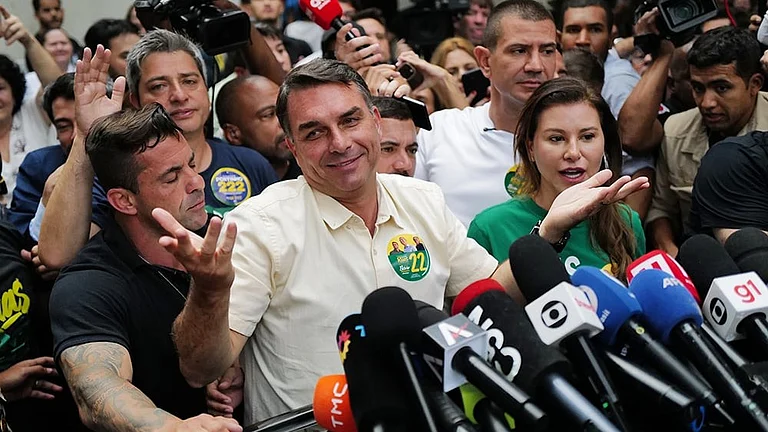
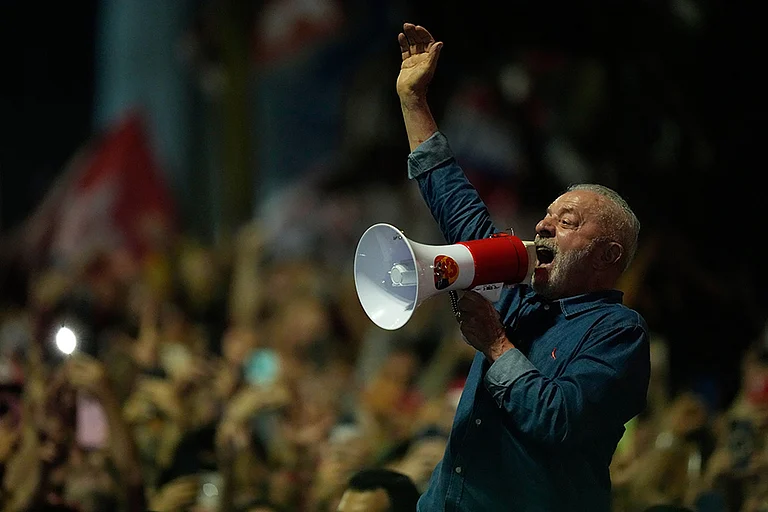
Lula da Silva’s win in Brazil’s runoff marks a setback for the right in Latin America and sets up a difficult term for him, with a conservative-leaning Congress and a tense relationship with the Trump administration.
His victory has drawn congratulations from leaders across the Americas, with left-leaning figures celebrating his return and others stressing trade, security and cooperation. Lula defeated Flávio Bolsonaro with 51.8% of the vote, although his rival has refused to concede.
Prime Minister Narendra Modi was also among those who congratulated him, saying India and Brazil would work to deepen their strategic partnership and advance the shared priorities of the Global South.
The result offers continuity for ties that have grown in importance amid global trade tensions, with critical minerals, trade and cooperation among developing economies likely to remain central.
Rare Earths And Trade Emerge As Key Priorities
Lula’s victory comes months after his state visit to India in February 2026, when the two countries signed agreements covering rare earths and critical minerals, digital cooperation, pharmaceuticals and mining for the steel supply chain.
The agreements are significant for India’s efforts to diversify supplies of minerals needed for clean-energy technologies and advanced manufacturing, amid concerns over China’s dominance in global rare-earth processing.
Brazil’s mineral resources could make it an important partner, although the agreements will need to translate into concrete exploration, processing and supply arrangements to deliver long-term benefits.
Trade is another priority.
Bilateral trade between India and Brazil reached $15.07 billion in the 2025–26 financial year, according to India’s Commerce Ministry. Both sides have set a target of $30 billion by 2030 and are seeking to expand cooperation in pharmaceuticals, chemicals, engineering goods and machinery.
In August, officials from both countries also reviewed the India–MERCOSUR trade framework and discussed market access for Indian pharmaceutical products.
Advertisement
Lula’s return could help sustain the political momentum behind these efforts, though achieving the target will depend on reducing trade barriers and broadening the range of goods and services exchanged.
Global South Cooperation Gains Renewed Emphasis
Beyond commercial ties, India and Brazil have worked together through BRICS, the G20 and other multilateral forums, advocating reforms to global institutions and greater representation for developing countries.
Modi’s congratulatory message explicitly highlighted cooperation on the shared priorities of the Global South and the goal of a more inclusive, equitable and sustainable world.
Lula’s re-election gives both governments an opportunity to continue coordinating on issues such as global governance, development finance, climate action and trade.
The relationship also offers benefits beyond minerals and merchandise trade. India has strengths in pharmaceuticals, digital public infrastructure, space and defence manufacturing, while Brazil is an important partner in agriculture, energy and other areas of industrial cooperation.
Advertisement
Sustained engagement could help both countries diversify economic partnerships at a time of tariff disputes and uncertainty in global trade. The immediate test will be whether the diplomatic goodwill following Lula’s re-election translates into measurable progress on existing agreements and the $30 billion trade target.
Published At: