Iran plans to announce a new restricted zone around the Strait of Hormuz and a new shipping corridor agreed with Oman in the coming days.
Iranian security official Mohsen Rezaei said vessels entering the restricted zone would be placed on Iran’s sanctions list, as tensions with the US continue to disrupt shipping.
US sanctions and a naval blockade are putting growing pressure on Iran’s oil exports and economy, potentially weakening Tehran’s ability to use Hormuz as economic leverage.
Iran To Announce New Restricted Zone Around Strait Of Hormuz: What It Means
Iran’s planned restricted zone around the Strait of Hormuz comes as US economic and naval pressure is squeezing Tehran, potentially reducing the effectiveness of the waterway as a bargaining tool

Summary
Iran plans to announce a new restricted zone around the Strait of Hormuz, a key route for global energy supplies, following a series of attacks by Tehran and Washington on vessels in the strategically important waterway, which experts described as a “dangerous escalation,” Al Jazeera reported.
The two countries have continued to exchange attacks since a 60-day memorandum of understanding (MoU), signed on June 17, expired last month. The latest escalation began after Iran attacked US warships that were patrolling the area and escorting oil tankers seeking to bypass Tehran’s blockade of the strait. At the same time, a US naval blockade of Iranian ports has severely curtailed the country’s oil exports and other trade.
What Is Iran’s New Restricted Zone Around Hormuz?
Iran’s top security official, Mohsen Rezaei, says Tehran will declare a restricted zone near the Strait of Hormuz and announce a new shipping route for the waterway agreed with Oman "in the coming days," as per Al Jazeera.
“This zone will start from the US Navy’s blockade line and include areas of the Persian Gulf,” he said, as per Iranian state media. “Any ship entering this new zone will be placed on the sanctions list [of Iran].”
Rezaei said, as per Al Jazeera, that the zone would “begin from the line of the US naval blockade, extend toward the Strait of Hormuz, and from this side continue into the Persian Gulf”.
Rezaei said new maps outlining routes through the Strait of Hormuz, developed in cooperation with Oman, would also be approved soon. He added that the two countries had agreed on maps for a new international corridor running through Iranian and Omani waters, with Iran set to manage the route. The agreement is expected to be signed in the coming days.
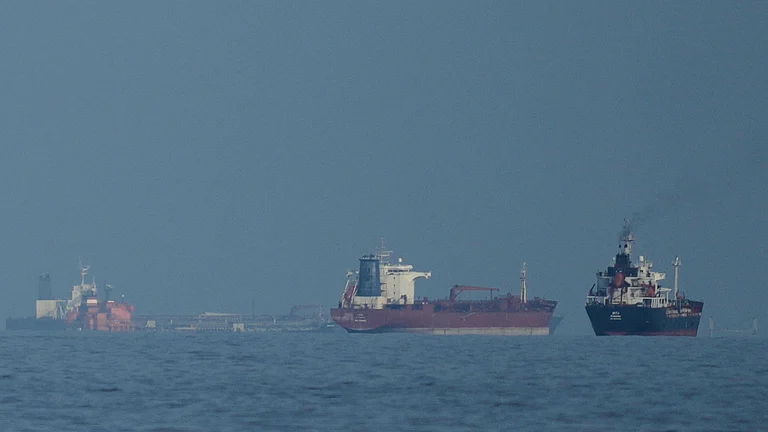
Why Is Iran’s Hormuz Leverage Weakening?
As per US’ CENTCOM, they have redirected 92 commercial vessels, disabled 3 and boarded 2 to ensure strict compliance of their blockade.
Advertisement
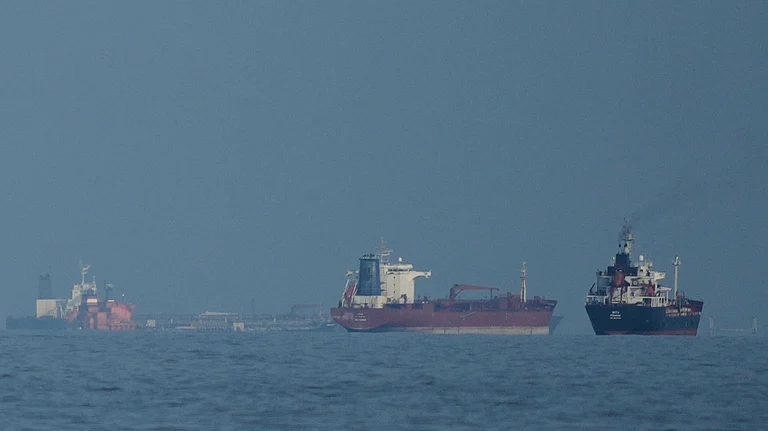
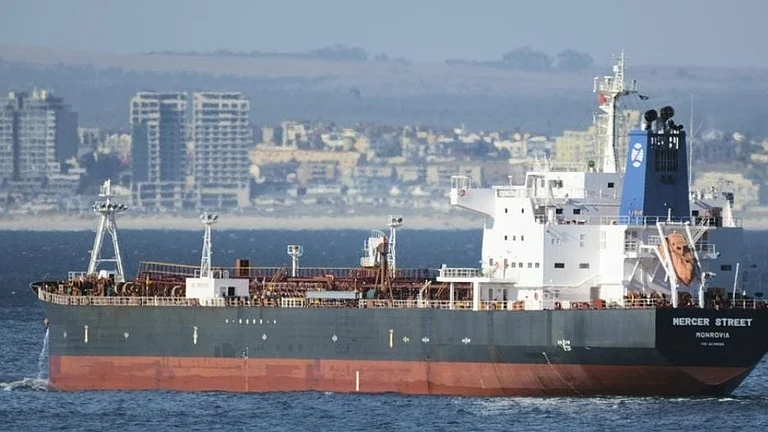
IRGC attacks, attempted attacks, and/or harassment activity persisted. These actions continue to demonstrate Iran’s intent to assert presence along key transit lanes and maintain pressure on transiting vessels, as per UKMTO report. Commercial traffic through the Strait of Hormuz remained at reduced levels, with a modest uptick from recent lows, yet still below baseline.
Tehran is facing one of the Islamic Republic’s toughest economic pressures in decades after years of coping with sanctions, according to Iranian insiders and regional sources. A US naval blockade and intensified sanctions are squeezing oil exports, limiting access to foreign currency and putting increasing pressure on the country’s economy, Reuters.
The campaign has prompted US and regional officials to believe that increasing economic pressure could compel Tehran to permit unrestricted passage through the Strait of Hormuz, a crucial route for around one-fifth of the world’s oil and LNG supplies.
Advertisement
Published At: