Bangladesh garment workers demand a 140% minimum wage increase.
Protests, highway blockades and clashes disrupt garment production.
Around 500 factories shut as wage negotiations face delays.
Fresh Protests In Bangladesh As Garment Workers Demand 140% Minimum Wage Hike
Bangladesh garment workers are demanding a 140% wage hike as protests, clashes with police and factory closures disrupt the country's $38 billion garment industry

Summary
Fresh protests broke out in Bangladesh on Tuesday as garment workers pressed for a sharp increase in minimum wages. Demonstrators clashed with police and blocked three major highways, leading authorities to send more than 1,000 paramilitary personnel to industrial zones around Dhaka.
Police used tear gas, sound grenades and batons to break up the crowds. The protests also disrupted traffic and forced several garment factories to halt operations.
Bangladesh ranks as the world's second-largest garment exporter after China and supplies clothing to major international brands such as Fruit of the Loom and Levi Strauss.
However, weeks of worker protests over pay have disrupted the industry, which earns around $38 billion a year and employs more than four million people. The unrest, which began last month, has added to pressure on the sector.
Workers are seeking a monthly minimum wage of 30,000 taka ($240), up from the current 12,500 taka. They say the existing pay is insufficient to meet rising expenses for food, housing, transport and healthcare in Bangladesh.
Around 500 of Bangladesh's 4,500 garment factories have shut down, sources told AFP, adding to tensions across the industry.
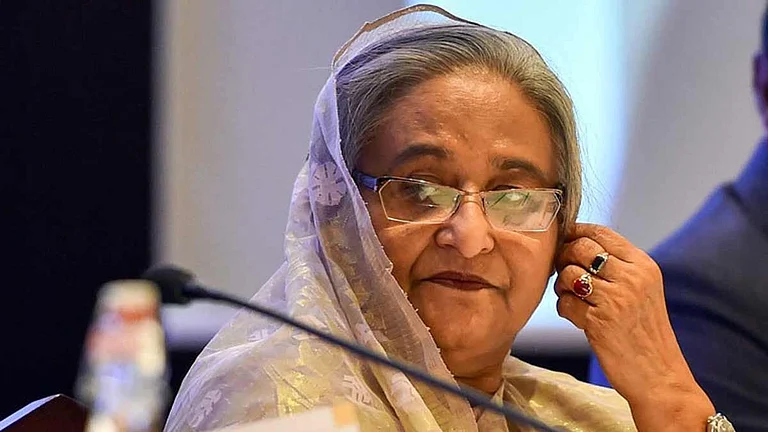
New Wage Board Meeting Postponed
The government formed a wage board earlier this month, with representatives of garment workers and factory owners tasked with negotiating a pay increase. The revised minimum wage is expected to be announced in December and come into effect in January next year.
The Bangladesh Garment Manufacturers and Exporters Association (BGMEA) and the Bangladesh Knitwear Manufacturers and Exporters Association (BKMEA) jointly urged the board to restart wage discussions without further delay.
A wage board meeting planned for Monday was postponed after the representative of garment workers said he was unwell, a BGMEA source told AFP. The board has scheduled its next meeting for November 23.
Following Tuesday's demonstrations, Border Guard Bangladesh (BGB) increased security patrols across industrial areas, deploying hundreds of personnel to monitor the situation.
Advertisement
In a statement, the force said its headquarters was keeping a close watch on developments through a dedicated monitoring cell.
It added that drones, body cameras and other surveillance equipment were being used to track the protests.
Published At: