A Zero FIR was filed over allegedly abusive slogans targeting Prime Minister Modi.
Rahul Gandhi criticised the action, accusing the government of silencing Gen Z.
Indian law does not separately criminalise abuse directed at the Prime Minister.
Woman Booked For Raising 'Objectionable' Slogans Against Modi: What Law Says About Abusing The PM
The FIR over slogans targeting Prime Minister Narendra Modi has revived questions over free speech, public order and when offensive political expression can attract criminal liability.

Summary
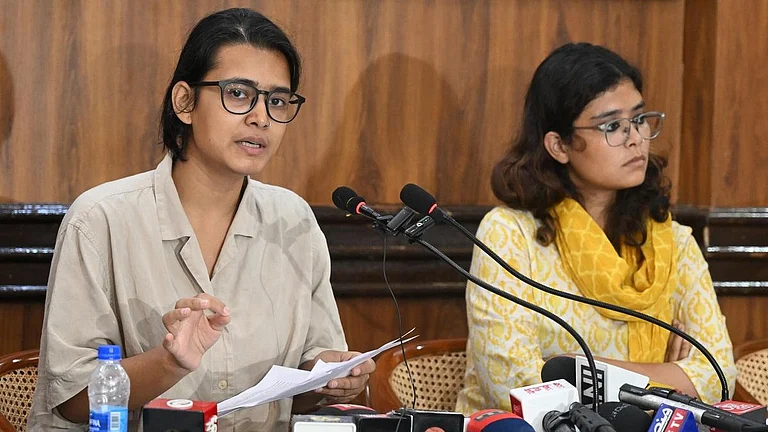
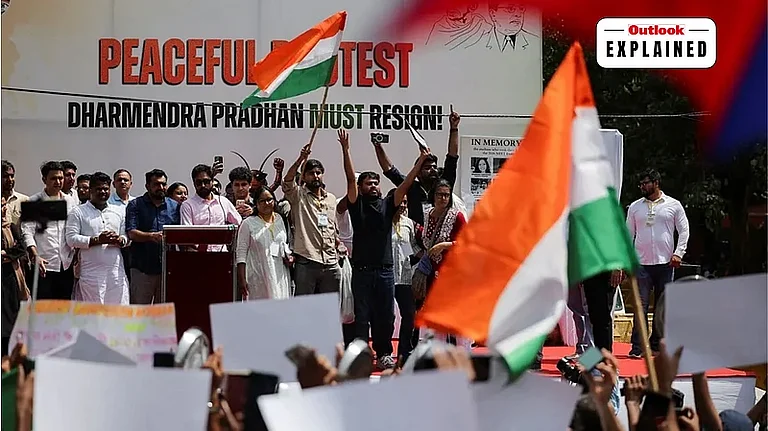
A Zero FIR was registered in Noida against a 25-year-old over allegedly objectionable slogans targeting Prime Minister Narendra Modi during a CJP-led protest at Delhi’s Jantar Mantar.
Lok Sabha Leader of Opposition Rahul Gandhi has come in support of the 25-year-old, criticising the centre over the police action, alleging that the PM Modi’s government was trying to silence Gen Z,
“PM Modi and Amit Shah - you cannot threaten Gen Z into silence. First you broke their bones. Now you are filing FIRs and taking down their accounts. You are India's past. Be careful about how you treat India's future," Rahul Gandhi posted on X
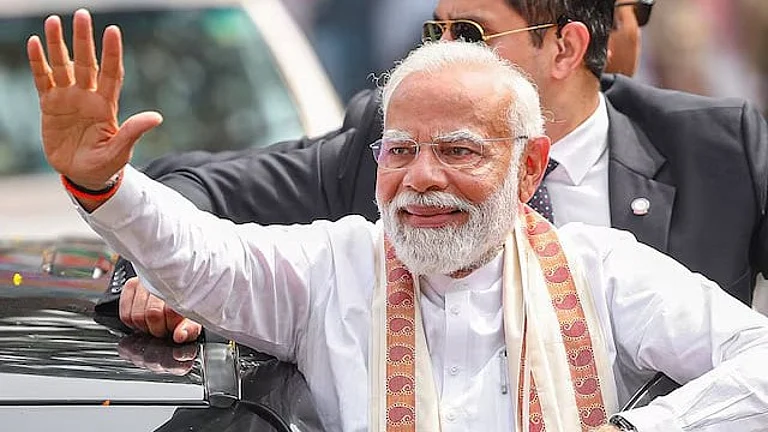
Indian law does not create a separate offence simply for insulting or abusing the Prime Minister. However, speech can attract criminal liability if it satisfies the ingredients of specific offences relating to public order, defamation, threats or incitement.
Why Was The FIR Registered?
The Zero FIR was registered on July 29 following a complaint alleging that the woman used abusive language against PM Modi during a July 23 protest over the NEET paper leak issue.
According to the complaint, the slogans lowered the dignity of the Prime Minister’s office and had the potential to create enmity and disturb public peace.
The case was registered under Sections 352, 353(1) and 356(1) of the Bharatiya Nyaya Sanhita, or BNS. Since the alleged incident took place in Delhi, the FIR was transferred from Noida to Delhi Police.
A Delhi Police officer told The Hindu that the force would examine the FIR, seek legal opinion and decide the future course of investigation after receiving the relevant documents.
The registration of an FIR, however, does not by itself establish that an offence has been committed.
Is Using Abusive Language A Criminal Offence?
Section 352 of the BNS deals with intentional insult made with the intent, or knowledge of the likelihood, that it will provoke someone to break public peace or commit another offence.
Advertisement
This means that an abusive remark alone may not be sufficient. The prosecution would have to establish the additional element of provocation and its likely connection with a breach of peace.
The Supreme Court has previously taken a similar view while interpreting Section 504 of the Indian Penal Code, the provision broadly corresponding to Section 352 BNS.
In Ramesh Chandra Vaishya v State of Uttar Pradesh, the Court held that mere abuse or insult does not automatically constitute the offence unless the required element of intentional provocation is present.
What Does Article 19(1)(a) Protect?
Article 19(1)(a) of the Constitution guarantees citizens the right to freedom of speech and expression.
This protection extends to political criticism, dissent, satire, protest and speech that may be unpleasant or offensive.
The right is not absolute. Article 19(2) allows reasonable restrictions on grounds including public order, defamation, decency, morality, security of the State and incitement to an offence.
Advertisement
Significantly, lowering the “dignity” of the Prime Minister’s office is not separately listed as a ground for restricting speech under Article 19(2).
Therefore, any criminal action must be based on an existing offence whose legal ingredients can be established.
What Do The BNS Provisions Say?
Apart from Section 352, the FIR reportedly invokes Section 353(1), which deals with statements, rumours or false information that may create fear, alarm, public disorder or hostility between groups.
For this provision to apply, investigators would have to establish that the alleged remarks fall within one of these specified categories. Offensive language alone does not necessarily satisfy the section.
Section 356 relates to criminal defamation. A person can be prosecuted for making or publishing an imputation with the intention, knowledge or reason to believe that it will harm another person’s reputation.
Advertisement
The BNS, however, also recognises exceptions, including certain good-faith opinions about the conduct of public servants in the discharge of their public functions.
What About Offensive Speech Online?
The Information Technology Act does not contain a general offence criminalising online criticism merely because it is offensive.
Section 66A of the IT Act, which had criminalised certain “grossly offensive” online messages, was struck down by the Supreme Court in Shreya Singhal v Union of India in 2015.
The Court held that vague restrictions on offensive speech could have a chilling effect on constitutionally protected expression.
Other provisions of the IT Act, such as Section 67 on obscene electronic material, continue to apply, but profanity or political abuse does not automatically amount to obscenity under that provision.
What Have Courts Said About Political Speech?
Courts have repeatedly stressed that criticism of the government or public authorities cannot be criminalised merely because it is harsh or unpopular.
Advertisement
In Javed Ahmad Hajam v State of Maharashtra in 2024, the Supreme Court quashed proceedings against a professor over social media posts criticising the abrogation of Article 370 and reaffirmed that lawful dissent is protected under Article 19(1)(a).
The Court again emphasised this approach in Imran Pratapgadhi v State of Gujarat in 2025, observing that speech must be assessed from the perspective of reasonable and strong-minded people, rather than those who perceive every critical remark as a threat.
Taken together, these rulings indicate that abusive or offensive political speech is not automatically criminal.
Published At: