In an environment where outrage travels faster than reason, polarising language becomes a strategic asset.
Leaders shape the moral tone of public life. When they choose restraint and inclusiveness, society often follows; when they choose provocation, the damage multiplies.
The health of the republic depends on whether public discourse can be reclaimed from the brink of permanent polarisation
The Normalisation of Hate Speech
Expressions once confined to the fringes now circulate in homes, classrooms, and online forums with alarming ease

Summary
Hate speech has emerged as one of the most perilous instruments in contemporary Indian politics. Particularly alarming is not merely its proliferation, but the disturbing degree of social acceptance it appears to have acquired. Expressions that would once have been widely condemned as reckless, uncivil, and corrosive to the social fabric are now deployed with calculated precision for short-term political gain. The normalisation of such rhetoric erodes the ethical boundaries of public discourse and gradually desensitises society to prejudice and exclusion.
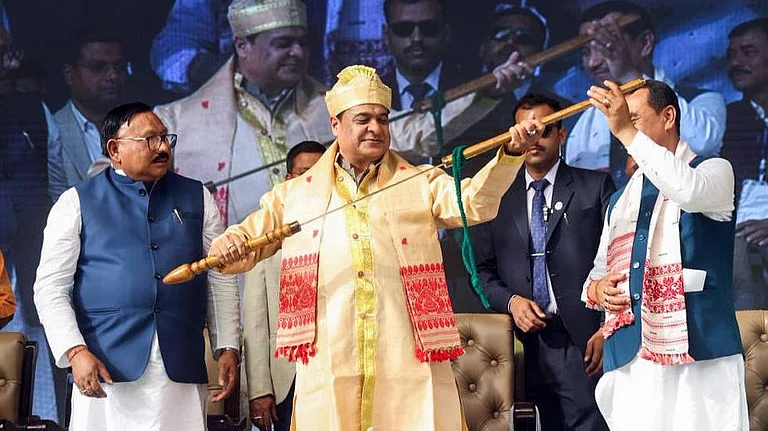
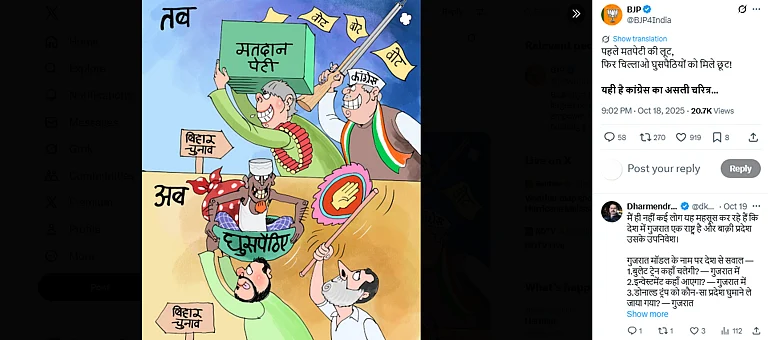
Equally troubling is the institutional response to this phenomenon. Very recently when a petition was filed against alleged hate speech and a highly objectionable video advertisement by the Chief Minister of Assam, the Supreme Court reportedly asked the petitioner to approach the High Court instead. While procedurally sound, this direction was widely perceived as hesitation at a moment when moral clarity was urgently required. Observations made during the proceedings, fairly or unfairly interpreted were seen by many citizens as inadvertently emboldening those who deploy incendiary language as political strategy. The consequences extend far beyond any single controversy as they risk entrenching a political culture in which provocation becomes the quickest route to visibility and power, bypassing the demanding work of governance, policy formulation, and public service. When divisive rhetoric yields electoral dividends or media attention, it creates perverse incentives for repetition and escalation. Over time, this corrodes democratic institutions by shifting the focus from performance to polarisation.
For citizens committed to constitutional values, these trends generate deep anxiety. They raise unsettling questions about whether the safeguards envisioned by the framers of the Constitution are robust enough to withstand sustained assaults on civility and pluralism. India’s democratic strength has historically rested on its capacity to accommodate diversity; linguistic, religious, cultural, and ideological. Hate speech undermines this inheritance by converting difference into hostility. Addressing this challenge requires more than legal remedies. It demands institutional vigilance, political restraint, media responsibility, and civic courage. Courts must remain accessible as guardians of fundamental rights, but political leadership must recognise that words spoken from positions of authority carry consequences far beyond partisan boundaries. Reaffirming dignity in public discourse is therefore not an act of idealism; it is a democratic necessity.
This transformation did not occur overnight as it reflects a gradual coarsening of public discourse, amplified by social media echo chambers and the competitive pressures of identity-based politics. In an environment where outrage travels faster than reason, polarising language becomes a strategic asset. The objective shifts from persuasion to provocation, consolidating support by manufacturing a sense of threat and grievance. When fear becomes political currency, hate speech becomes its most efficient vehicle and sadly such vehicles are in abundance in our public life.
Advertisement
Equally disturbing is the perception that institutional responses, particularly from law enforcement and the judiciary have lacked urgency. Legal provisions against hate speech exist, yet enforcement appears inconsistent or conspicuously absent. Delayed proceedings, ambiguous standards, and reluctance to hold powerful figures accountable create an impression of impunity. When guardians of constitutional values appear hesitant, it signals that the costs of divisive rhetoric are negligible while the rewards are substantial. The damage is not merely political but social and intergenerational because hate speech deepens mistrust among communities, fractures cohesion, and weakens the sense of belonging that binds a diverse nation. Electoral cycles are short; social wounds are not as it has the potential to unmake a nation. Young citizens raised in an atmosphere saturated with hostility may internalise intolerance as legitimate political expression. A republic that loses the ability to disagree without dehumanising risks losing its ethical core.
Advertisement
None of this implies that robust debate should be curtailed. Democracy thrives on disagreement, dissent, and passionate argument. But there is a fundamental distinction between critique and vilification, between holding power accountable and targeting vulnerable communities. Hate speech impoverishes democracy by replacing reason with resentment. Political leadership bears the greatest responsibility in reversing this trend. Leaders shape the moral tone of public life. When they choose restraint and inclusiveness, society often follows; when they choose provocation, the damage multiplies. Short-term electoral advantage cannot justify the erosion of the social foundations upon which governance and the idea of India itself rests.
In recent years, several political figures have drawn criticism for statements perceived as inflaming communal tensions. Slogans invoking violence during election campaigns, polarising speeches preceding episodes of unrest, and formulations reducing democratic contests to communal binaries have intensified concerns about the legitimisation of hostility in public life. Such rhetoric demonstrates how political speech can have consequences far beyond the immediate moment.
Advertisement
The deeper concern lies not only in individual statements but in the ecosystem that rewards them. In an era of instant amplification through television and social media, provocative speech travels faster than reasoned argument. Outrage becomes visibility; visibility becomes political capital and this dynamic creates incentives in which moderation appears electorally costly while polarisation yields dividends.

Let us never forget that India’s civilisational strength has long rested on its capacity to accommodate difference. Rhetoric that portrays diversity as a threat undermines this legacy. Democracy does not demand uniformity of opinion, but it does require a baseline of mutual respect. Political leaders, by virtue of their influence, bear a special responsibility to uphold that standard. Ultimately, the struggle against hate speech is not merely legal but moral. It calls for courage from civil society, vigilance from institutions, and restraint from those who wield power. The health of the republic depends on whether public discourse can be reclaimed from the brink of permanent polarisation and restored to the language of constitutional values, dignity, and shared citizenship.
Advertisement
It is in this spirit that one might have hoped the honourable Supreme Court would have directly heard the petition concerning the Assam Chief Minister and issued a clear reminder to him and to all holders of public office that words spoken from positions of authority carry profound consequences, and that rhetoric which deepens division ultimately harms the quintessential Idea of India.
(Views expressed are personal)
The writer is a Rajya Sabha MP
Published At: