Soaring cooking gas prices doubled meal costs at portside eateries, forcing thousands of low-wage migrant truckers to abandon their vehicles.
The sudden labor flight choked container movement at JNPT, causing stranded cargo to peak at 40,000 containers by mid-May.
Despite emergency rail interventions cutting the backlog by nearly half, a lingering 40 per cent trucker shortage leaves hundreds of fleets idle.
LPG Crisis Chokes JNPT: The Unseen Labour Shock Halting India's Trade
A sudden cooking gas spike left migrant drivers hungry and forced an exodus, exposing the fragile human link behind the nation's premier container gateway.

Summary
A severe shortage of truck drivers, triggered by an LPG price spike, has choked cargo movement at India’s premier container gateway, Jawaharlal Nehru Port (JNPT) near Mumbai, exposing the fragile logistics backbone behind the country’s export-import trade.
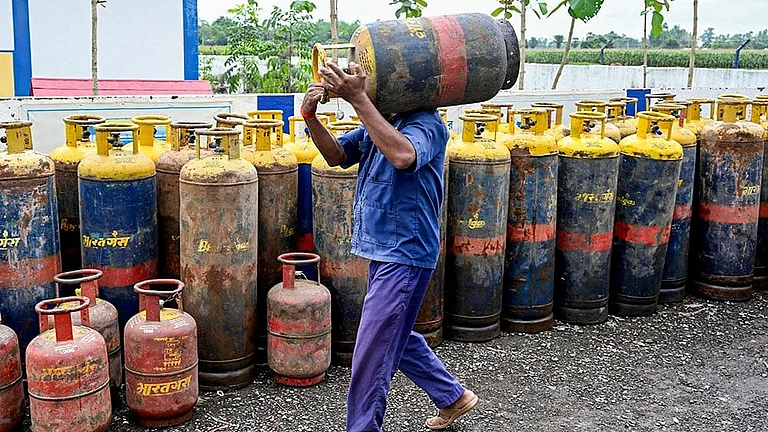
The crisis began in March when the West Asia conflict disrupted cooking gas supply chains. Migrant drivers, who live in parking yards and rely on small LPG cylinders or local dhabas, found meals unaffordable as food prices doubled and eateries shut down. Compounded by general elections and festivals, 50 to 60 per cent of drivers returned to their home states. This sudden labour exit caused a massive bottleneck, with import containers waiting to be moved ballooning from 17,000 to a peak of 40,000 by mid-May.


Government Intervention and Freight Diversion
The scale of the paralysis prompted cabinet-level intervention. Union Ministers Piyush Goyal and Sarbananda Sonowal held emergency meetings with trade communities to coordinate an immediate response. To bypass the trailer shortage, authorities deployed special goods trains to evacuate containers directly to railway-linked warehouses.
The Jawaharlal Nehru Port Authority waived inter-terminal rail handling fees, reduced yard storage charges, and permitted importers to collect cargo directly from the port yard itself. While these measures successfully cut the backlog down to 24,000 containers, a 40 per cent driver shortage persists, leaving hundreds of trailers idle. Transporters continue to pay high fixed fleet costs and loan instalments on vehicles that sit completely unused, whilst structural shifts in northern states mean fewer traditional workers are choosing to return to the transport sector.

Advertisement
Perishable Cargo Hit by Delays
The bottleneck has heavily penalised agricultural traders. Refrigerated containers packed with fresh produce have been stranded on port approach roads for days. Exporters report that delayed onion shipments have begun rotting, risking entire consignments valued at Rs 6 lakh per container.
The prolonged exposure to high ambient temperatures drastically reduces the shelf life of fruits bound for European markets like London, where buyers may shift to Pakistani crops arriving this month if quality suffers. To prevent future disruptions, port authorities plan to sponsor new driver training programmes and partner with non-governmental organisations to secure subsidised meals.
(With inputs from The Indian Express)
Published At: