A US Air Force weapons systems officer known as “Bravo” survived nearly 50 hours in Iran after his F-15E was shot down.
More than 90 US troops, aircraft and CIA support were involved in the effort to locate and rescue him.
Iranian ground forces reportedly came within a few hundred metres of Bravo while he remained hidden and injured.
US Pilot Survived 50 Hours Behind Enemy Lines In Iran; Here's How He Was Rescued
A US Air Force weapons systems officer survived nearly 50 hours behind enemy lines in Iran before a complex rescue involving more than 90 troops, aircraft and CIA support

Summary
A US Air Force officer survived for nearly 50 hours behind enemy lines in Iran after his F-15E Strike Eagle was shot down during a strike mission, suffering serious injuries after his parachute failed to deploy properly.
The airman, known by the call sign Dude 44 Bravo, was eventually rescued in a complex operation involving more than 90 US troops, multiple aircraft and CIA support. He has now spoken publicly about his ordeal for the first time in an interview with CBS' 60 Minutes.
Bravo was the weapons systems officer/backseater, while Alpha was the pilot. The F-15E was a two-seat aircraft.
What Happened To The US Air Force Officer In Iran?
A newly declassified video shows a US pilot on a rescue mission in Iran. The footage has brought fresh attention to an operation that involved 90 elite officers and the Central Intelligence Agency.
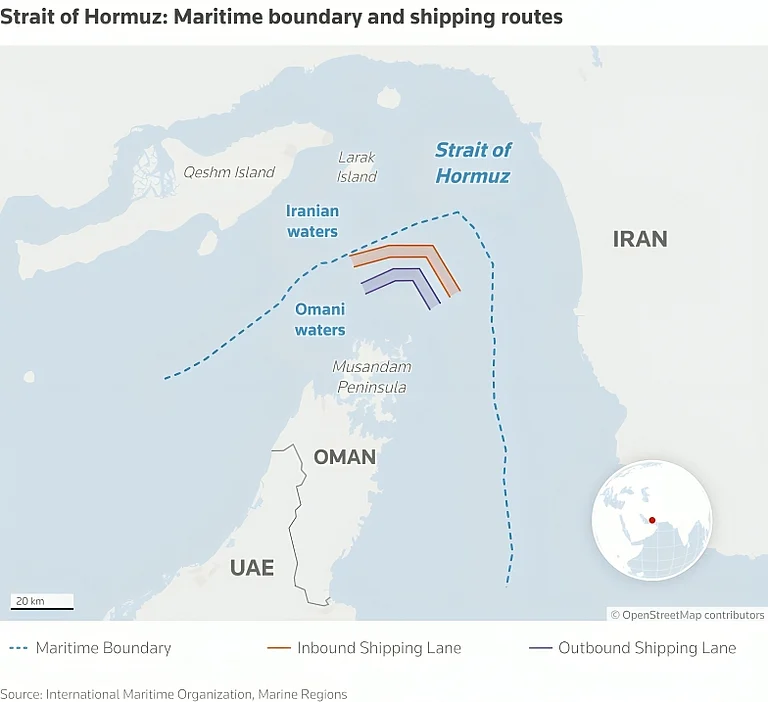
The airman, known by the mission call sign “Bravo” for security reasons, served as the weapons-systems officer on the fighter jet, which had two crew members. The aircraft was operating under the mission call sign “Dude 44” when it was reportedly brought down by an “Iranian shoulder-fired missile” on April 2 during an operation near Isfahan.
CBS News reported that the strike was aimed at industrial sites associated with Iran’s drone and missile programme. After the aircraft was hit, Bravo and the pilot, who was identified by the call sign “Alpha”, ejected from the jet but were separated while descending.
“At one point when I looked up and saw no parachute, that was the most terrifying thing I've ever seen,” Bravo recalled.
How Did The US Rescue The Pilot From Iran?
Bravo's rescue was substantially more complicated than Alpha's, because he remained hidden in hostile territory for two days.
Advertisement
The operation involved more than 90 US troops and extensive air support as American forces searched for Bravo's location. The CIA also supported the operation, including efforts to confuse Iranian forces about the airman's whereabouts.
When US pararescue personnel finally reached him, Bravo described seeing them as “one of the greatest moments” of his life.
US Secretary of War Pete Hegseth said he was briefed about the incident after the aircraft went down and instructed officials to begin efforts to find the crew. He told CBS News that the US would search for them regardless of whether they had survived.
The rescue effort turned into a race against time as Iranian forces were simultaneously searching for the American airmen. Gen. Dan Caine, chairman of the US Joint Chiefs of Staff, said Iranian ground troops came to within a few hundred metres of Bravo’s position.
“There was clear intent out of the Iranian ground force to come find those two guys,” Caine said.
Advertisement
Bravo eventually established contact with US forces and was able to convey that, despite being injured, he was still moving. According to CBS News, the CIA then drew on intelligence resources and a deception operation to assist in determining his location.
Published At: