The Trump administration requested an additional $87.6 billion from Congress, including $67.15 billion for military spending linked to the Iran war and replenishing U.S. defence capabilities.
Republicans face a difficult vote ahead of November’s midterms, while Democrats argue the administration is prioritising war spending over rising domestic economic pressures.
Trump Seeks $87.6 Billion in New Funding for Iran War, Facing Growing Congressional Resistance
The request comes amid mounting political and constitutional opposition, with both the Senate and House passing resolutions seeking to halt military action against Iran.

Summary
President Donald Trump’s administration on Wednesday submitted an $87.6 billion emergency funding request to Congress, seeking additional resources largely to sustain the war with Iran and setting up a new clash with lawmakers increasingly critical of the conflict.
The request, posted by the White House and formally transmitted to Congress, proposes $67.15 billion in additional military spending. If approved, it would be added to nearly $1 trillion already allocated last year and the further $1.5 trillion Trump has requested for the next fiscal cycle.
White House officials said the package is intended to finance the ongoing operational demands of the Iran campaign, including troop deployment and readiness costs, replenishment of military stockpiles and classified defence programmes. Within the military allocation, $21 billion has been earmarked for munitions procurement, expanding domestic defence production capacity and maintaining strategic capabilities.
The proposal comes as resistance to the war intensifies on Capitol Hill.
On Tuesday, the Senate approved a war powers resolution ordering Trump to halt military operations against Iran, following the House’s passage of a similar measure weeks earlier. The vote exposed divisions within the Republican Party, with a small number of Republican lawmakers joining nearly all Democrats in opposition to the administration’s military approach.
Political tensions surfaced again on Wednesday during a lunch meeting at the Capitol, where Trump reportedly exchanged heated words with Senator Bill Cassidy of Louisiana, one of the Republicans who supported the resolution.
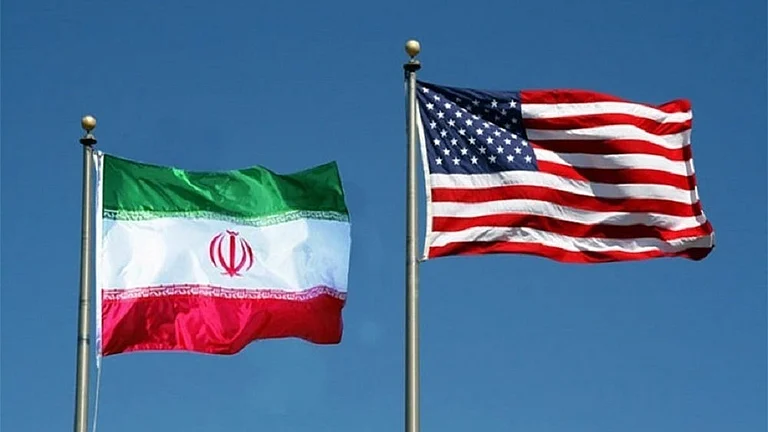
The funding request was met with immediate pushback from lawmakers in both parties. Since U.S. and Israeli strikes on Iran began on February 28, members of Congress have repeatedly argued that the administration has failed to provide sufficient briefings or clearly define its objectives in the conflict.
Critics have also framed the issue as a constitutional dispute, arguing that the power to authorise military action lies with Congress and accusing Trump of undermining that division of authority.
The political stakes are particularly high for Republicans ahead of November’s midterm elections, which will decide control of Congress, Reuters reported. With the war remaining deeply unpopular, supporting another large funding package could become a difficult vote.
Advertisement
Democrats have also linked the spending request to domestic economic concerns, arguing that rising fuel and food prices are placing additional pressure on American households.
“We should be lowering costs for the American people, not writing another blank check for Trump,” Senate Democratic Leader Chuck Schumer posted on X after Congress received the request.
Senator Patty Murray of Washington, the top Democrat on the Senate Appropriations Committee, said she would examine the proposal to ensure servicemembers receive support, but added: “I will not rubber-stamp tens of billions more for this disastrous war of choice.”
Republicans’ narrow control of both chambers means any appropriations legislation is likely to require cross-party backing to secure passage.
Beyond military funding, the supplemental request includes $1.4 billion aimed at containing the Ebola outbreak in Africa, including $800 million in humanitarian assistance and $500 million for global health security programmes focused on prevention, detection and emergency response.
Advertisement
Published At: