Iraq PM orders federal control of oilfields under Kurdish security.
Baghdad also plans to take over border crossings and close routes.
The move could deepen tensions over oil and regional autonomy.
Iraq Moves To Take Control Of Oilfields, Border Crossings In Kurdish Region
Iraq has moved to take control of oilfields under Kurdish security and close unofficial border crossings amid a long-running dispute over oil exports

Summary
Prime Minister of Iraq, Ali al-Zaidi, has ordered the Ministry of Oil to manage the oilfields that are in areas of Kurdish security control.
According to a statement from his office on Tuesday, the prime minister's order covers oilfields in the provinces of Diyala, Kirkuk, Salahuddin and Nineveh. The move could further increase tensions between Baghdad and the semi-autonomous Kurdish region in northern Iraq.
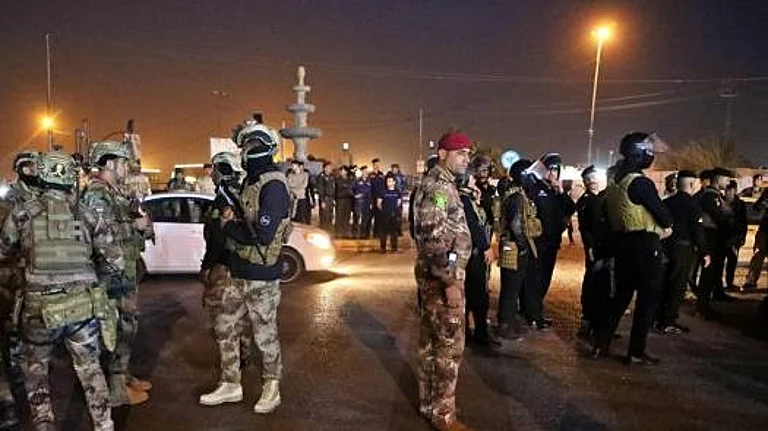
The statement said Baghdad would take control of security at all oilfields and monitor them through cameras. This would also include fields located within federal government areas but currently under the Kurdish regional government's security control.
“The Border Forces Command shall close unofficial crossings along the international borders with neighbouring countries, including crossings in the Kurdistan Region of Iraq,” the statement said. It added that all seasonal roads connecting the four provinces with the Kurdish region would also be shut.
Al-Zaidi has also directed the border crossings authority to take charge of all border points in the Kurdish region. He further ordered the regional government to allow crude oil and petroleum product exports only through Iraq's federal Oil Ministry.
In another development, Iraqi officials accused Kataib Hezbollah, an Iran-backed armed group, of operating an oil smuggling network in Jurf al-Sakhar, an area south of Baghdad where the group has a strong presence.
Who Controls The Kurdistan Region?
The Kurdistan Region is a semi-autonomous area in northern Iraq that has its own regional government, parliament, and security forces. Although it operates with considerable independence, it remains part of Iraq. Disputes over control of oil resources and exports have long strained its relationship with the federal government in Baghdad.
Oil exports through the pipeline to Turkiye had remained suspended for more than two years because of a dispute over Kurdish authorities selling crude without Baghdad's approval. The two sides reached an agreement in September 2025 to resume shipments.
Separately, Al-Zaidi removed the head of Iraq's border crossings authority and suspended the director general of the North Oil Company, along with his deputies, while an investigation is underway, the state news agency reported.
Advertisement
Published At: