Carrefour warned that unrest could reduce its 2026 operating income by €80 million to €200 million, citing damage, theft, closures and lost sales.
At least 3,000 businesses were reportedly affected, with losses spanning major chains, luxury boutiques and independent retailers.
Insurers have yet to estimate the total claims, while government support measures may offer some relief to eligible businesses and workers.
France Protest Loss Estimates: How Much Could Retailers Lose As Shops Remain Shut?
French retailers face potentially hundreds of millions of euros in losses from protest-related damage, looting, security costs and shop closures, with the final nationwide bill still unclear

Summary
French retailers are facing mounting financial losses as protests and fears of further violence force businesses to close, board up storefronts and increase security measures. At least 3,000 shops were reportedly affected during the unrest on October 17 and 18, while industry representatives have warned that the combined damage and disruption could cost businesses hundreds of millions of euros.
With demonstrations entering another week and retailers preparing for the crucial year-end shopping season, the financial toll is extending beyond looted stores to include lost sales, repair bills, security costs and prolonged closures. An exact nationwide estimate remains unavailable, with insurers yet to quantify the claims arising from the latest unrest.

Retailers Face Hundreds of Millions in Potential Losses
The scale of the disruption has become clearer through the experience of Carrefour, one of France’s largest supermarket chains. The company warned that the unrest could reduce its 2026 operating income by between €80 million and €200 million. Its finance chief, Matthieu Malige, attributed the potential hit to stolen or destroyed merchandise, damaged stores and equipment, forced closures, additional security expenses and lost sales. Carrefour said around 50 of its stores were affected on the first day of the violence, with many looted. The company also cut its outlook for earnings growth and reduced its planned capital expenditure in France from €1.7 billion to €1.6 billion.
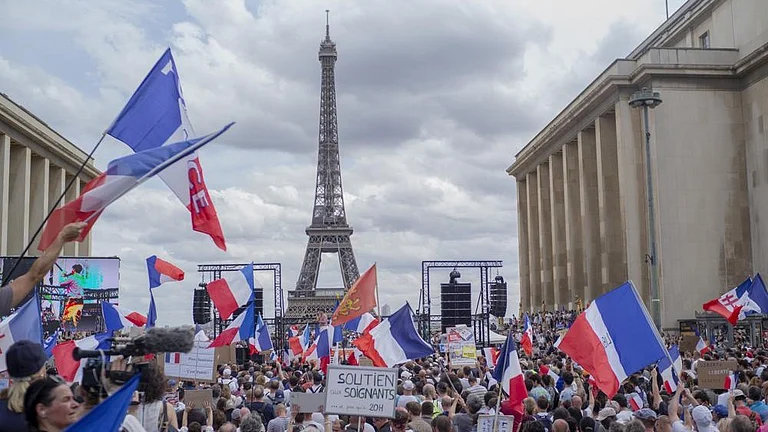
The wider retail sector has also been affected. Alexandre Bompard, Carrefour’s chief executive and head of the French retail federation FCD, estimated that around 1,500 shops had initially been affected, putting industry losses at several hundred million euros. The government’s subsequent count rose to at least 3,000 businesses affected. Luxury boutiques, independent retailers and major chains have all reported damage or disruption. In Paris, shopkeepers boarded up windows ahead of further demonstrations, while some museums, cultural venues and businesses announced temporary closures as a precaution.

Insurance And Closures Complicate Recovery
For shop owners, the cost of the unrest extends beyond repairing smashed windows or replacing stolen goods. France Assureurs, the country’s insurance federation, said insurers were mobilising to support affected businesses but could not yet provide a reliable estimate of the claims. Many commercial policies cover damage caused by riots, including vandalism, fire and theft. However, compensation for lost trading depends on the terms of individual policies and whether businesses have appropriate business-interruption cover. Smaller retailers may be particularly vulnerable if they cannot reopen quickly or if their insurance does not cover revenue lost during a forced closure.
Advertisement
The French government has announced support measures for businesses affected by the violence, including access to a state-funded partial unemployment scheme for eligible employees whose workplaces have been damaged or forced to suspend operations. Authorities have also urged local officials to take targeted security measures as further demonstrations are planned. However, the final economic cost remains uncertain, particularly if closures continue into the year-end retail period. For businesses already facing weak consumer demand and rising operating costs, prolonged disruption could make recovery more difficult even after damaged premises reopen.
Published At: