Mallikarjun Kharge questioned Amit Shah’s silence over the July 20 CJP crackdown.
Kharge blamed the home minister for alleged excessive force against student protesters.
He also called the anti-paper leak Bill an “eyewash” focused on punishment.
‘Has Someone Stitched Your Mouth Shut?’: Kharge Targets Amit Shah Over Silence On CJP Crackdown
Kharge targets Amit Shah over his silence on the CJP protest crackdown and says tougher penalties alone will not stop exam paper leaks.
Summary
Rajya Sabha Leader of Opposition Mallikarjun Kharge on Thursday launched a sharp attack on Union Home Minister Amit Shah over his silence on the police action against Cockroach Janta Party protesters, questioning why the home minister had not addressed Parliament on the July 20 crackdown.
Speaking in the Rajya Sabha during the discussion on the Public Examinations (Prevention of Unfair Means) Amendment Bill, 2026, Kharge also questioned the absence of Shah and Prime Minister Narendra Modi from Parliament during the ongoing session.
Referring to the police action during the CJP’s July 20 ‘Chalo Sansad’ march, Kharge asked why Shah had remained silent despite Delhi Police functioning under the Union Home Ministry.
“You are the home minister. This was happening in Delhi. And yet despite all this happening, you did not open your mouth. Has someone stitched your mouth shut?” Kharge said.
His remarks prompted objections from BJP MPs, including JP Nadda, who described the language as “unparliamentary”.
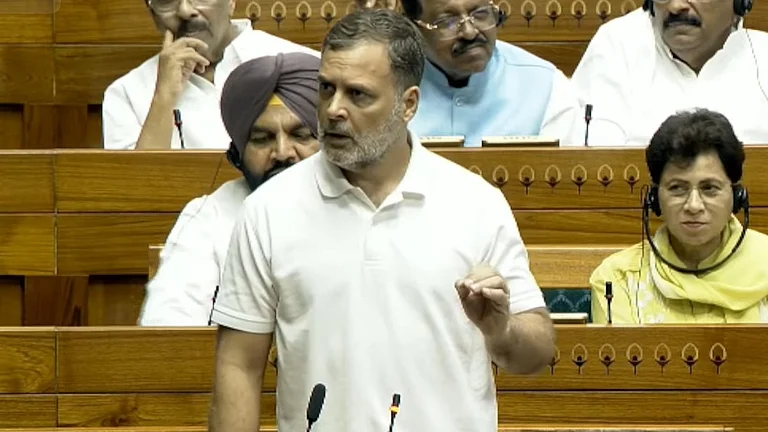
Kharge Holds Shah Responsible For Police Action
Kharge went on to accuse the government of using excessive force against students who had gathered in Delhi for the protest.
“They are firing pellet guns at children who have come from villages and from other states. One has lost an eye, another has lost an ear, someone else has lost a hand. Who is responsible for that? The Home Minister is responsible,” Kharge said.
He then directly addressed Shah, saying: “You (Shah) may be listening to me from behind closed doors, but you cannot remain hidden in a closed room forever. One day, we will drag you out.”
The remark triggered another round of protests from the treasury benches.
Kharge, however, rejected the allegation that he had used unparliamentary language and clarified that he was referring to public pressure rather than himself.
Advertisement
“I did not use any unparliamentary language. By 'us', I meant 'janshakti' (power of people) --- people, students, women. I did not say I will drag home minister, I meant that 'janshakti' will drag him out. Listen to me and reply,” the Congress MP said.
The Congress has repeatedly sought answers from Shah over the police action during the July 20 protest and has accused the government of using “brutal force” against students.
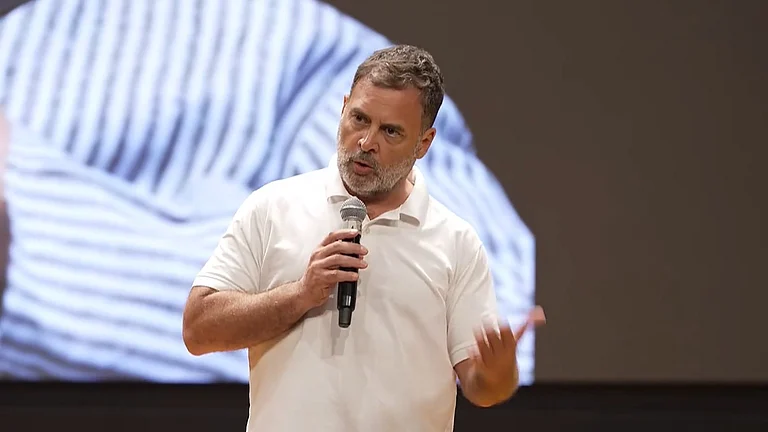
Kharge Calls Anti-Paper Leak Bill ‘Eyewash’
Kharge’s attack came during the Rajya Sabha debate on the Public Examinations (Prevention of Unfair Means) Amendment Bill, 2026, which was tabled in the Upper House on Thursday after being passed by the Lok Sabha.
The Congress president criticised the proposed amendments, arguing that increasing penalties alone would not address the underlying causes of examination paper leaks.
Advertisement
According to Kharge, the Bill largely strengthens punishments while failing to introduce substantial changes to how public examinations are conducted.
“So many innocent people suffered due to paper leaks... nothing is going to happen with this new Bill as only some data has been changed in old law. Provisions have been made for hefty fine, strict punishment, special task force, fast track courts, however, nothing is going to change. Real change will only happen how you conduct examinations. There is nothing new in the bill. We had demanded a strict law in 2024 itself, but our demand was rejected,” Kharge told the House.
The amended legislation proposes tougher punishment for examination-related malpractice, alongside provisions for hefty fines, special task forces and fast-track courts.
Kharge, however, maintained that preventing leaks would ultimately require reforms in the examination process rather than harsher penalties alone.
Published At: