The incidence of communicable diseases and the resulting mortality have increased significantly in recent years in Kerala
Kerala has reported around 160 cases of shigellosis and six deaths this year
Prevention, health education and health promotion have not received the policy attention they deserve, says experts
From Nipah to Shigella: Kerala's Unending Battle With Infectious Diseases
Despite a widely acclaimed health care system, recurring outbreaks of Nipah, dengue, leptospirosis, hepatitis A and shigellosis continue to claim lives and expose gaps in prevention and public health management.

Summary
In January 2020, when the world was beginning to grapple with the outbreak of the coronavirus and there was little clarity on how to contain its spread, India reported its first COVID-19 case. The patient was a medical student who had returned to Kerala from Wuhan, China, the epicentre of the outbreak. The Kerala Health Department swiftly activated surveillance, contact tracing and isolation protocols in line with guidelines issued by the World Health Organisation.
Over the next few years, however, COVID-19 exacted a heavy toll on the state, claiming more than 70,000 lives despite Kerala's widely acclaimed public healthcare system. The pandemic was not the first major infectious disease challenge faced by the state. In 2018, Kerala witnessed the country's second outbreak of the deadly Nipah virus in its northern districts. Of the 19 confirmed cases, 17 died, exposing the devastating potential of emerging zoonotic diseases.
While COVID-19 was a global phenomenon, Kerala has been confronting recurrent outbreaks of infectious diseases for years. Nipah has resurfaced periodically since 2018, while diseases such as dengue, leptospirosis, shigellosis and hepatitis continue to cause deaths and hospitalisations across the state. This year too, several lives have been lost to infectious diseases, raising questions about why a state known for its strong public health infrastructure continues to face a growing burden of contagious illnesses.
Acute Diarrhoeal Diseases (ADD), Hepatitis A, Shigellosis, Leptospirosis, Dengue, and Amoebic Meningoencephalitis have been posing a serious public health challenge in Kerala for several years.
Rising Mortality
The incidence of communicable diseases and the resulting mortality have increased significantly in recent years, underscoring the growing burden of infectious diseases in the state.
So far this year, Kerala has reported around 160 cases of shigellosis and six deaths, according to official records. This accounts for more than 10 per cent of the total Shigella cases reported in 2020. Health department data show that the number of cases rose sharply from March. The highest number of deaths from shigellosis was recorded in 2022; this year, the toll has already reached six.
Advertisement
The rise in shigellosis cases is part of a broader trend that has alarmed public health experts, who say Kerala is witnessing increasingly frequent outbreaks of communicable diseases despite its reputation for having one of the country's strongest public health systems.
Nipah virus, which has claimed 22 lives in Kerala since its first outbreak in 2018, has resurfaced once again this year, with a 43-year-old man currently undergoing treatment in hospital. During the initial outbreak in 2018, 18 of the 22 infected individuals succumbed to the disease, highlighting its exceptionally high fatality rate.
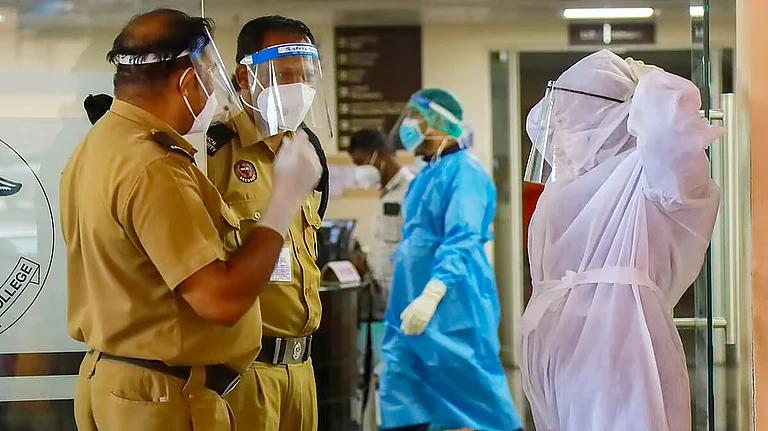
Since then, sporadic outbreaks have been reported in the districts of Kozhikode, Malappuram and Ernakulam, keeping public health authorities on constant alert. In India, Nipah virus infections have been reported only from Kerala and West Bengal. West Bengal recorded outbreaks in 2001 and 2008, while Kerala has witnessed repeated episodes since 2018.
Advertisement
According to health experts, fruit bats, commonly known as flying foxes, are the natural reservoirs of the Nipah virus. The zoonotic disease can spread to humans through contact with bat secretions, consumption of contaminated fruits or other food items, and through close contact with infected individuals. Despite extensive research, the precise reasons for the repeated emergence of the virus in Kerala remain unclear. Scientists have identified bat populations as the source of the virus, but the factors triggering periodic spillover events from animals to humans are yet to be fully understood.
The recurring outbreaks of Nipah have raised concerns among epidemiologists, who view the disease as a reminder of Kerala's vulnerability to emerging infectious diseases despite its strong public health infrastructure and disease surveillance systems.
‘Systemic failure’
According to official reports, nearly four lakh people are affected by Acute Diarrhoeal Diseases (ADD) every year in the state, making it one of the most persistent public health challenges.
Advertisement
Hepatitis A has also emerged as a growing concern. Last year, the disease claimed 82 lives in Kerala. This year, the death toll has already crossed 20, raising fears among health officials that the state could witness another major outbreak if preventive measures are not strengthened.
“There are many issues confronting Kerala’s health system. By relying excessively on a few health indicators and projecting Kerala as a model, we failed to address some of the fundamental challenges facing the state,” says Dr. B. Iqbal, prominent public health activist, former member of the Kerala State Planning Board, and former Vice-Chancellor of Kerala University.
“A central structural weakness of Kerala’s health system lies in its excessive orientation towards curative, hospital-based care. While advanced treatment facilities have expanded, prevention, health education and health promotion have not received the policy attention they deserve. This imbalance has allowed disease burdens to accumulate silently, increasing long-term healthcare costs and reducing quality of life,” he adds.
Advertisement
The consequences of this imbalance are reflected in the state's mortality figures from infectious diseases. According to health department sources, around 1,200 people died of leptospirosis in Kerala between 2020 and 2025, including both confirmed and suspected cases. During the same period, dengue fever claimed more than 450 lives.

“These are not insignificant numbers. The scale of mortality points to deeper systemic issues that Kerala's health system has yet to address effectively,” says Dr. Altaf Ali, public health expert and professor at the Government Medical College, Thiruvananthapuram.
Health experts argue that while Kerala has built an extensive healthcare network and achieved impressive health outcomes over several decades, recurring outbreaks of communicable diseases and the persistence of preventable deaths expose gaps in disease surveillance, environmental health management, public awareness, and preventive healthcare measures.
“Public health is much more than hospitals and medical treatment. It encompasses the entire ecosystem that protects an individual’s health, including environmental sanitation, waste management, access to safe drinking water, and disease prevention measures,” says Dr. Altaf Ali.
“To prevent the recurring emergence of communicable diseases, planning and intervention must begin at the local-body level. Effective public health management requires coordinated action involving local governments, health authorities, and communities,” he adds.
Crumbling health infrastructure?
Rapid urbanisation, unscientific waste and sewage management, and the failure to ensure access to safe drinking water are among the key factors cited by experts for the worsening communicable disease situation in Kerala.
Experts point out that the challenge facing Kerala extends beyond mortality figures. Rising morbidity, prolonged illness, mental health distress, and escalating healthcare expenditure are placing an increasing burden on the state's health system. Frequent outbreaks of infectious diseases not only strain public health infrastructure but also affect productivity, household incomes, and overall quality of life, raising concerns about the long-term sustainability of Kerala's healthcare model.
Published At: