Centre told SC E20 remains an ongoing experiment.
Ethanol blending impact may be clearer by next year.
BPCL challenged Karnataka HC order on ethanol allocation.
Ethanol Blending Still an ‘Experiment’, Impact to Be Clearer by Next Year: Govt tells SC
Attorney General R. Venkataramani said the ethanol allocation process for the current supply year had already been completed, with contracts finalised in October 2025.

Summary
The Central government on Tuesday told the Supreme Court that India's 20% ethanol blending programme in petrol remains an ongoing experiment, adding that its full impact is expected to become clearer by next year.
The submission came during the hearing of a petition filed by Bharat Petroleum Corporation Limited (BPCL) challenging a Karnataka High Court order concerning ethanol allocation for the 2025-26 supply year.
Appearing for the Centre, Attorney General R. Venkataramani said the ethanol allocation process for the current supply year had already been completed, with contracts finalised in October 2025. Reopening allocations at this stage, he argued, could disrupt the nationwide ethanol blending programme.
"The government is trying to experiment with 20% ethanol blending. We will have results of that by next year," Venkataramani told the court.
He further submitted that several similar petitions are pending before different High Courts and argued that altering the allocation granted to one supplier could trigger similar claims from others, affecting the implementation of the national policy.
According to the Attorney General, the BPCL, which is coordinating the ethanol blended petrol programme, had received cumulative supply offers of around 1,759 crore litres following the tender process. He sought permission to file a transfer petition before the Supreme Court, saying the issue should be resolved before October, when ethanol supply contracts are due for renewal.
"If I go before the division bench and then again to other high courts, it will be delayed," he said.

What Triggered The Dispute
The case stems from a June 23 order of the Karnataka High Court directing Oil Marketing Companies—BPCL, Hindustan Petroleum Corporation Limited and Indian Oil Corporation—to consider a request by a distillery seeking an increase in its ethanol allocation before the tender process was finalised.
BPCL challenged the order, contending that any change to the allocation process could have wider implications for the Centre's ethanol blending programme and disrupt supply arrangements that had already been concluded.
Advertisement
The Centre supported BPCL's stand, maintaining that the allocation process had been completed and should not be reopened through individual court orders.
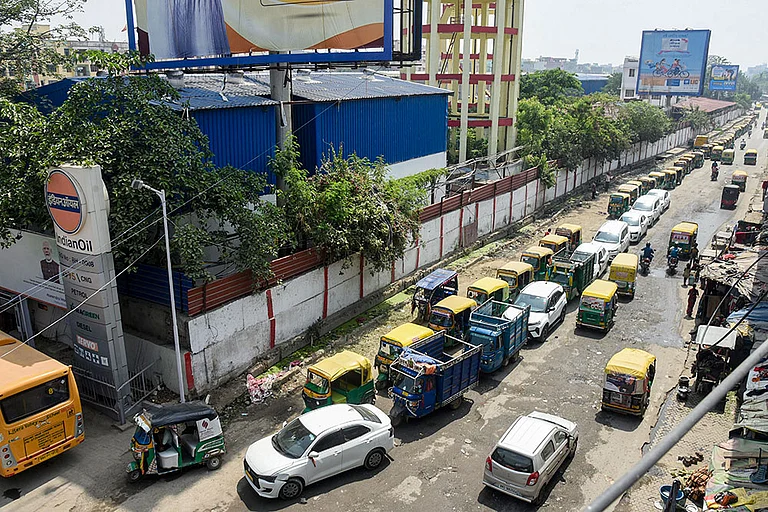
Government Defends Ethanol Blending Programme
Shortly after the hearing, Venkataramani clarified to India Today TV that the government's policy of blending 20% ethanol with petrol remains unchanged.
"The 20% mix of ethanol is a policy decision that is not likely to change. How much ethanol is made available to companies may go up or down depending on demand and other factors," he said.
India achieved its target of blending 20% ethanol in petrol in 2025, five years ahead of schedule, with oil marketing companies supplying E20 fuel nationwide from April 1. The government has since set a target of increasing ethanol blending to 30% by 2030.
The Supreme Court hearing comes less than a week after the Union Ministry of Petroleum and Natural Gas rejected concerns that E20 fuel could affect vehicle insurance coverage or damage compatible vehicles. The ministry said claims suggesting that ethanol-blended petrol could invalidate insurance policies had been examined with stakeholders and found to be incorrect.
Advertisement
The ministry has maintained that ethanol blending is a globally accepted practice adopted in countries such as the United States, Brazil and Japan. It has also argued that the programme has helped India save more than ₹1.4 lakh crore in foreign exchange by reducing crude oil imports, while strengthening energy security, lowering carbon emissions and supporting the country's transition towards cleaner mobility.
Published At: