Drug regulators may publicly disclose pharma firms facing licence suspension, cancellation or recall orders
The move could help patients, hospitals and pharmacies identify medicines linked to quality failures
Consumers can check CDSCO alerts using a medicine’s batch number, manufacturer and expiry date
Drug Companies May Soon Be Named Publicly: What India’s New Pharma Crackdown Means For Patients
India may publicly name pharmaceutical companies facing licence action or Medicine recalls, giving patients and buyers clearer access to drug-safety information

Summary
India’s drug regulators may soon publicly name pharmaceutical companies that face serious action, including licence suspension, cancellation or drug recall orders, under a proposed transparency measure aimed at closing gaps in the country’s medicine safety system.
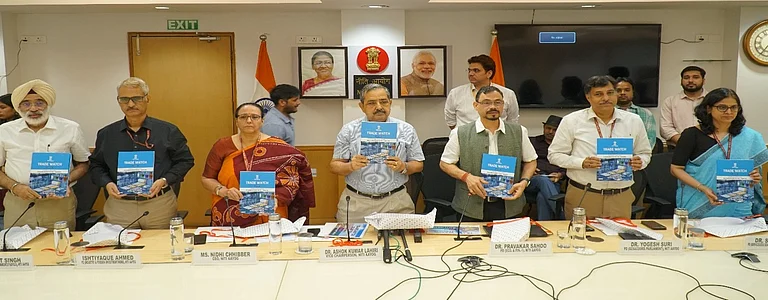
According to a report by the Indian Express, an expert committee under the Central Drugs Standard Control Organisation, or CDSCO, has recommended that state drug regulators publish details of enforcement action on their official websites and send monthly updates to the central regulator.
The proposal follows concerns that some manufacturers continued to use photocopies of cancelled product licences while bidding for procurement contracts.
The move could make it easier for hospitals, pharmacies and patients to identify firms that have been penalised for quality lapses or regulatory violations.
Why are drug regulators planning to publicly name pharma firms?
At present, drug regulation in India is shared between the Centre and the states. While CDSCO oversees approvals, imports, clinical trials and certain national-level functions, state drug controllers license many manufacturing units and carry out inspections and enforcement.
This fragmented structure can create information gaps. A company facing action in one state may not be immediately known to procurement agencies, distributors or consumers elsewhere. The proposed system seeks to create a more visible record of action taken against firms, particularly where licences have been suspended or products recalled.
The recommendation is also intended to prevent companies from presenting outdated or cancelled licences in government tenders and supply contracts. Public disclosure would make it harder for firms to continue operating without scrutiny after a serious regulatory order.
What kinds of companies will be named?
The proposed disclosures are expected to cover firms against which state drug authorities have taken regulatory action. This could include manufacturers whose licences are suspended, cancelled or restricted, as well as companies directed to recall medicines from the market.
Such action can arise from a range of violations, including repeated quality failures, manufacturing deficiencies, false or misleading documentation, failure to comply with good manufacturing practices, or the production of medicines found to be not of standard quality.
Advertisement
Why is this change significant?
For patients, the biggest benefit could be access to clearer information. India regularly publishes lists of drug samples that fail quality tests, but these notices can be difficult for ordinary consumers to track and may not always show the full chain of regulatory action that follows.
Naming companies facing licence action or recall orders could improve accountability across the pharmaceutical supply chain. Hospitals and chemists would be better placed to check whether a supplier has been penalised. Government buyers could verify licences before placing large orders. Doctors may also be able to respond faster when a recalled batch has reached patients.
What is CDSCO and how does India’s drug regulation system work?
CDSCO is India’s central drug regulator under the Union Health Ministry. It is headed by the Drugs Controller General of India and is responsible for approving new drugs, regulating clinical trials, overseeing imported medicines and coordinating with state drug authorities.
Advertisement
State drug controllers play a major role in licensing drug manufacturing units, conducting inspections, collecting samples and initiating action against firms within their jurisdictions. Drug quality testing is carried out through central and state laboratories.
CDSCO already publishes monthly lists of medicines found to be not of standard quality and details of spurious drugs on its website. The proposed change would add more visibility to the action taken against the companies involved.
What happens when a medicine is recalled?
A recall usually applies to a specific batch rather than every product made by a company. Regulators may order a recall after testing finds that a medicine does not meet required standards for identity, strength, purity or quality.
The manufacturer is expected to stop distribution, trace the affected batch through wholesalers and retailers, and remove it from the market. Depending on the seriousness of the issue, regulators may also inspect the manufacturing site, suspend production or initiate legal proceedings.
Advertisement
How can consumers check whether a medicine has been recalled?
Consumers can check CDSCO’s website for notices on not-of-standard-quality and spurious drugs, using the medicine name, batch number, manufacturer and expiry date printed on the packaging. They can also ask their pharmacist to verify whether a particular batch has been flagged.
If a medicine appears on a recall or quality-alert list, patients should keep the strip, bottle or invoice and contact the pharmacy, doctor or local drug-control authority.
Published At: