The Central Board of Secondary Education (CBSE) on Monday issued detailed guidelines on the implementation of the revised three-language policy, clarifying how the new framework will apply to current batches of students.
CBSE Clarifies Three-Language Policy, Exempts Current Class 10 Students
The board said students currently studying in Class 10 will continue under the existing two-language system.

The board said students currently studying in Class 10 will continue under the existing two-language system. It also clarified that students currently in Classes 7, 8 and 9 will not be required to appear for a Class 10 board examination in a third language when they move to the secondary stage.
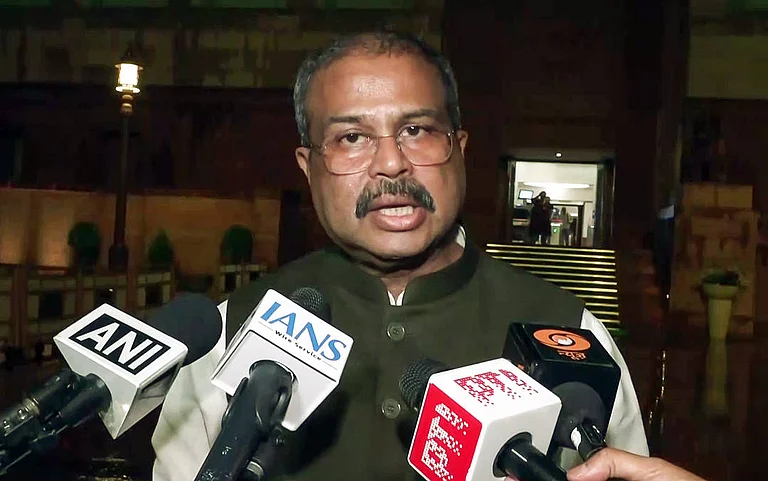
Who Gets Relief Under The New Rules?
The current Class 10 batch will not have to shift to the revised language framework.
CBSE said there would be “no change” for students who are in Class 10 during the 2026-27 academic session and that they will continue with the old system of two languages. The board also clarified that “no third language is required to be taken by this batch.”
Students currently studying in Classes 7, 8 and 9 will also get relief from the new board examination requirement. A senior board official had earlier told PTI that the requirement of studying at least two Indian languages under the new language policy would be implemented prospectively from Class 6 and would not apply retrospectively to students already studying in Classes 7 to 9.
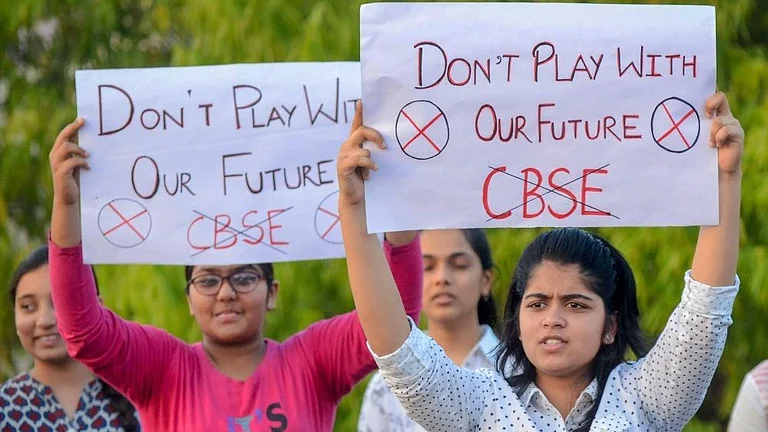
Which Language Combinations Are Allowed?
According to the fresh guidelines, students who had already opted for two foreign languages under the earlier system will be allowed to continue with the same combination. However, they will have to study one additional Bharatiya Bhasha, or Indian language, as their third language.
According to the guidelines, students already studying two Indian languages, such as Hindi and Tamil, may choose either another Indian language or a non-native language, such as English or French, as their third language.
Students studying one Indian language and one non-native language, such as Tamil and English, will have to choose another Indian language as their third language. Students already studying two non-native languages, such as English and French, have been granted a one-time relaxation and may continue with those two languages while adding one Indian language as their third language, or R3.
Advertisement
When Will The Policy Apply Fully?
CBSE has clarified that the requirement of studying at least two Indian languages will be implemented prospectively from Class 6.
The clarification comes nearly a month after the board announced that the study of three languages, including at least two Indian languages, would be compulsory for Class 9 students from July 1 under the revised language framework.
CBSE said grade-appropriate learning resources for the revised language framework would be made available in a time-bound manner. Earlier, in its May 15 circular, the board had said that until dedicated R3 textbooks become available, Class 9 students may use the Class 6 R3 textbooks of the 2026-27 edition for their chosen language.
The board said the objective of the revised policy is to make language learning “meaningful, engaging and enriching” while contributing to students’ holistic development.
Advertisement
Published At: