Italy has placed 23 of its 27 major cities under a maximum red heat alert for Sunday as an intense heatwave grips the country, as per Daily Heatwave Bulletins by the Italian Ministry of Health.
Why Is Italy Putting Nearly All Its Major Cities On The Highest 'Red' Heat Alert?
Italy has placed 23 of its 27 major cities under the highest heat alert as temperatures soar, while the World Health Organization warns Europe could face more deadly weeks of extreme heat.

The highest-level alert, which signals a heatwave posing serious health risks to the entire population, not just vulnerable groups has been issued for major cities including Rome, Milan, Naples, Florence, Turin, Bologna, Venice and Palermo.
The number of cities under red alert has risen sharply over the past three days, from 11 on Friday to 19 on Saturday and 23 on Sunday. According to Italy's Health Ministry, only Ancona, Bari, Messina and Reggio Calabria are expected to remain outside the highest warning level on Sunday, while forecasts indicate that 25 of the country's 27 cities could be under red alert by Monday.
Authorities have urged residents to avoid prolonged exposure to the sun during peak hours, stay hydrated and follow official public health guidance as temperatures continue to climb.
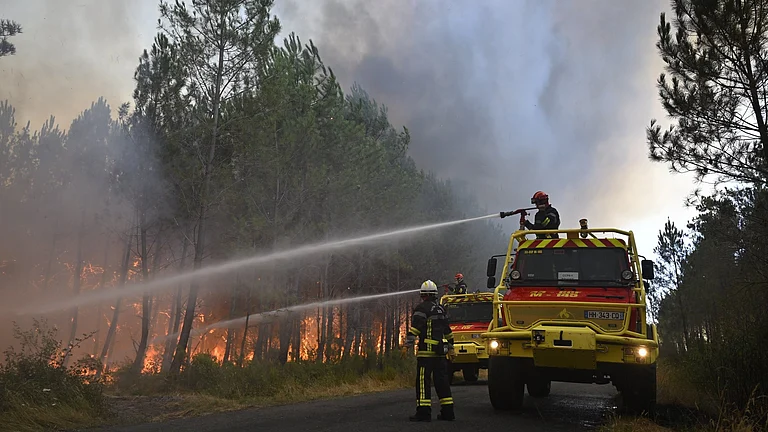
WHO Warns of Deadly Summer
The escalating heatwave comes as the WHO on July 7, warned that extreme heat is becoming one of Europe's deadliest climate-related hazards.
In a statement, WHO Regional Director for Europe Dr Hans Henri P Kluge said "more deadly weeks may still lie ahead" as another heatwave builds across the continent.
He said temperatures were forecast to reach 43°C in parts of Portugal and southern Spain, while France, the Benelux countries and parts of Central Asia were also expected to experience another surge in extreme heat.
Kluge urged governments to strengthen heat-health preparedness, warning that fewer than half of the WHO European Region's member states have national heat-health action plans in place.
"Countries with well-functioning plans know in advance who is responsible for what, which populations are most at risk and at which temperature threshold each level of response is activated," he said.
Scientists have warned that human-driven climate change is making heatwaves more frequent, longer-lasting and more intense, increasing health risks and placing additional strain on public services across Europe.
Published At:
Tags